


Shipping activity in the vital waterway is unlikely to fully normalize before the end of the year.
The Strait of Hormuz has long been one of the world’s most strategically important waterways. Every day, millions of barrels of oil, liquefied natural gas, and other goods move through this narrow maritime corridor connecting the Arabian Gulf to global markets.
Today, however, one of the world’s busiest shipping routes remains far from normal.
According to prediction market data, traders increasingly believe shipping activity through the Strait of Hormuz could remain disrupted for the rest of 2026. The growing uncertainty reflects the fragile security environment in the region, renewed military exchanges between Iran and Israel, and continued concerns surrounding the broader geopolitical situation in the Middle East.
For global energy markets, shipping companies, and international trade networks, the implications extend well beyond the Gulf.
Why the Strait of Hormuz Matters
Few waterways hold greater economic significance than the Strait of Hormuz.
Located between Iran and Oman, the strait serves as the primary gateway for oil and gas exports from several Gulf nations. Roughly one-fifth of the world’s oil supply and a significant share of global liquefied natural gas shipments pass through the route.
Its importance means that even minor disruptions can trigger ripple effects across energy markets, shipping costs, insurance premiums, and international supply chains.
Whenever tensions rise in the region, the Strait of Hormuz immediately becomes a focal point for governments, investors, and businesses around the world.
Growing Doubts About a Quick Recovery
Recent market forecasts suggest confidence in a near-term return to normal shipping conditions is fading.
Prediction market participants now assign a high probability that traffic levels will remain below historical norms until at least January 2027.
Expectations for a faster recovery have weakened significantly over recent weeks. Confidence that traffic would normalize before August has dropped sharply as fresh military exchanges renewed concerns about regional stability.
The market uses a specific benchmark to define normal activity: a seven-day moving average of more than 60 vessels transiting the strait.
Current projections suggest that the threshold may remain difficult to achieve in the months ahead.
Renewed Military Escalation Raises Concerns
The shift in expectations follows renewed hostilities between Iran and Israel.
The latest exchange marked the first significant military confrontation between the two sides since the ceasefire reached earlier this year. Iran launched missiles toward northern Israel, while Israel responded with what it described as large-scale strikes targeting strategic defense infrastructure.
Although both sides have signaled varying degrees of willingness to contain the escalation, investors and shipping operators remain cautious.
History has shown that even limited military confrontations can quickly affect maritime security perceptions, particularly around critical chokepoints such as Hormuz.
Shipping companies often respond conservatively when risks increase. Some operators reroute vessels, delay departures, reduce transit frequency, or face significantly higher insurance costs.
These factors can suppress traffic volumes even when the waterway remains technically open.
The Impact of the Continuing Blockade
Adding to the uncertainty is the ongoing blockade that continues to affect regional trade dynamics.
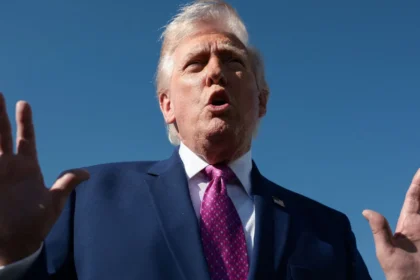
US President Donald Trump recently suggested that restrictions could remain in place longer than initially anticipated, even while expressing optimism that negotiations would eventually lead to a broader agreement.
His comments reinforced concerns that commercial traffic may continue operating under abnormal conditions for an extended period.
While diplomatic discussions remain active, businesses involved in global shipping generally require predictability before resuming normal operations.
Until a durable agreement is reached and security concerns ease, many market participants are likely to remain cautious.
Shipping Companies Face a Difficult Calculation
For shipping operators, the challenge extends beyond immediate security risks.
Every voyage through a conflict-sensitive region involves complex decisions regarding insurance, crew safety, scheduling reliability, fuel costs, and cargo commitments.
Insurance premiums for vessels operating in high-risk zones often rise dramatically during periods of instability. These additional costs can influence route planning and shipping economics.
Companies must also consider the potential for sudden disruptions, inspections, delays, or changes in military activity that could affect vessel movements.
As a result, traffic recovery often lags behind diplomatic developments.
Even when tensions begin to ease, shipping activity may take months to return to previous levels as operators gradually rebuild confidence.
Energy Markets Remain Sensitive
The implications extend far beyond shipping.
Energy markets closely monitor every development involving the Strait of Hormuz because of its central role in global oil and gas exports.
Disruptions can tighten supply expectations, contribute to price volatility, and increase uncertainty for energy-importing economies.
Countries heavily dependent on imported energy, including many in Asia and Europe, have a direct interest in maintaining stable flows through the waterway.
For governments, central banks, and businesses already managing inflation concerns and economic uncertainty, prolonged disruptions in Hormuz add another layer of complexity.
Diplomacy Versus Reality
Public statements from political leaders continue to emphasize ongoing negotiations and the possibility of a broader agreement.
Iran has indicated a willingness to reduce military activity, while US officials maintain that diplomatic discussions remain active.
Yet financial markets often focus less on official statements and more on actual developments on the ground.
The continued military exchanges, combined with the persistence of shipping restrictions, explain why traders remain skeptical about a rapid return to normal conditions.
Confidence tends to recover only when security improvements become visible and sustained over time.
What Happens Next
The future of the Strait of Hormuz will largely depend on three factors: regional security, diplomatic progress, and commercial confidence.
A lasting reduction in military tensions could gradually encourage shipping companies to restore normal operations. Successful negotiations could also help reduce uncertainty and improve market sentiment.
However, any further escalation risks prolonging disruptions well into the future.
For now, the outlook remains uncertain.
The Strait of Hormuz continues to function as one of the world’s most important trade arteries, but the conditions surrounding it remain far from ordinary. Until stability becomes more durable and predictable, global shipping markets are likely to remain cautious, and normal traffic levels may remain out of reach for much of the year ahead.
Source: CNBC
Read more news and follow us on Instagram
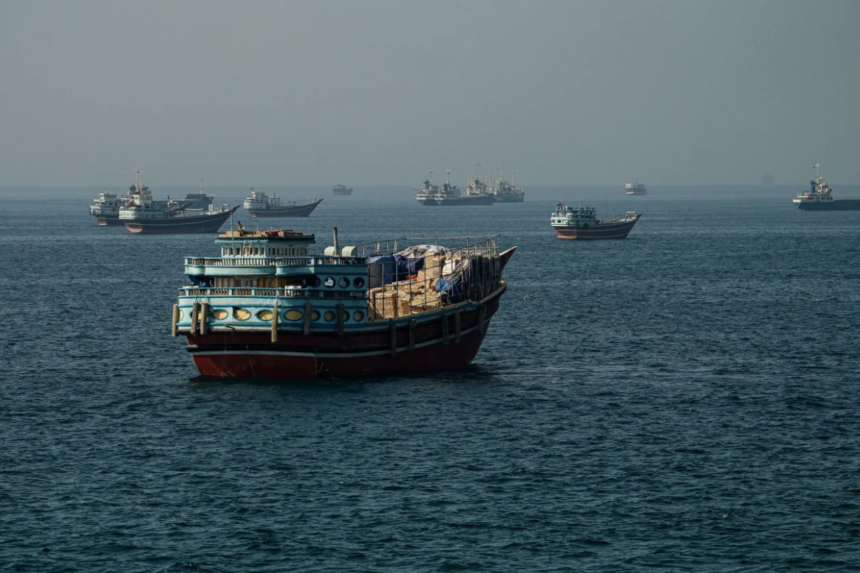
Vessels anchored at the Strait of Hormuz, as seen from Musandam, Oman, May 29, 2026.
Stringer | Reuters