



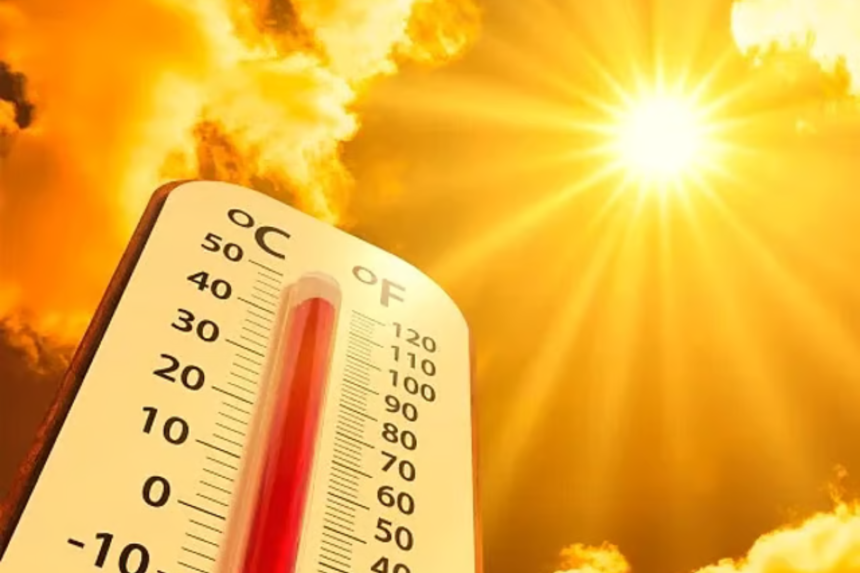
Weather experts say the peak summer period will bring intense heat and dry winds across the country.
The UAE and the wider Arabian Peninsula are set to enter the hottest phase of the year as the traditional Jamrat Al Qayth season begins on July 3. Weather experts say the period will bring extreme heat, dry conditions, and powerful desert winds, with temperatures in some inland areas expected to exceed 50°C.
According to the Emirates Astronomy Society, the season will continue until August 10 and represents the peak of summer across the Gulf region.
What Is Jamrat Al Qayth?
Jamrat Al Qayth, which translates to “Embers of Summer,” is the traditional name given to the hottest period of the year in the Arabian Peninsula.
The season begins with the pre-dawn appearance of the first star of the Gemini constellation above the eastern horizon, marking the start of the second phase of the Gulf’s traditional summer calendar.
For generations, the period has been associated with extreme daytime temperatures, dry weather, and some of the harshest climatic conditions experienced across the region.
Temperatures Could Exceed 50°C
Ibrahim Al Jarwan, Chairman of the Emirates Astronomy Society and a member of the Arab Union for Astronomy and Space Sciences, said Jamrat Al Qayth is traditionally regarded as the hottest and driest period of the year.
During this time, temperatures in some desert regions can climb above 50°C, particularly under clear skies and prolonged sunshine.
The season is also known for the arrival of Samoom winds, hot and dry desert winds that increase temperatures while reducing humidity across inland areas.
These conditions can make outdoor activities especially challenging during the afternoon hours.
Heatwaves Become More Frequent
Al Jarwan explained that the period is often marked by recurring heatwaves known locally as Waghrat Al Qayth.
These heatwaves occur when temperatures remain at least 4°C above seasonal averages for two or more consecutive days.
Such prolonged periods of extreme heat can increase health risks, raise electricity demand, and place additional pressure on outdoor workers and infrastructure.
Traditional Seasonal Markers
The traditional summer season follows the appearance of several prominent stars used historically across the Arabian Peninsula to mark seasonal changes.
Jamrat Al Qayth begins with the appearance of Al Haq’ah, followed by the rising of Al Mirzam later in July.
The season concludes with the appearance of Al Nathrah, also known as the Beehive Cluster (Praesepe) in the constellation Cancer.
This astronomical transition signals the beginning of the final stage of the Gulf summer.
Humidity Rises After August 10
While Jamrat Al Qayth is dominated by intense dry heat, conditions begin to change after August 10.
The appearance of Al Nathrah marks the onset of higher humidity levels across the UAE, particularly in coastal areas.
Although daytime temperatures remain extremely high, increasing humidity often makes conditions feel even more uncomfortable as the summer progresses.
This final phase of the traditional season combines persistent heat with elevated moisture levels, creating the humid weather commonly experienced across the UAE during late summer.
Peak Summer Has Arrived
With Jamrat Al Qayth now beginning, residents can expect several weeks of intense summer weather across the country.
Meteorologists advise taking precautions during the hottest parts of the day by staying hydrated, limiting prolonged outdoor exposure, and following official weather advisories whenever heatwave conditions are announced.
The annual season remains one of the defining features of the Gulf climate, combining centuries-old astronomical observations with some of the most extreme summer temperatures recorded in the region.
Read more news, and follow us on Instagram
Source: Gulf News