


Foreign Minister Abbas Araghchi says Tehran will respond to US strikes and warns American troops against staying in the region.
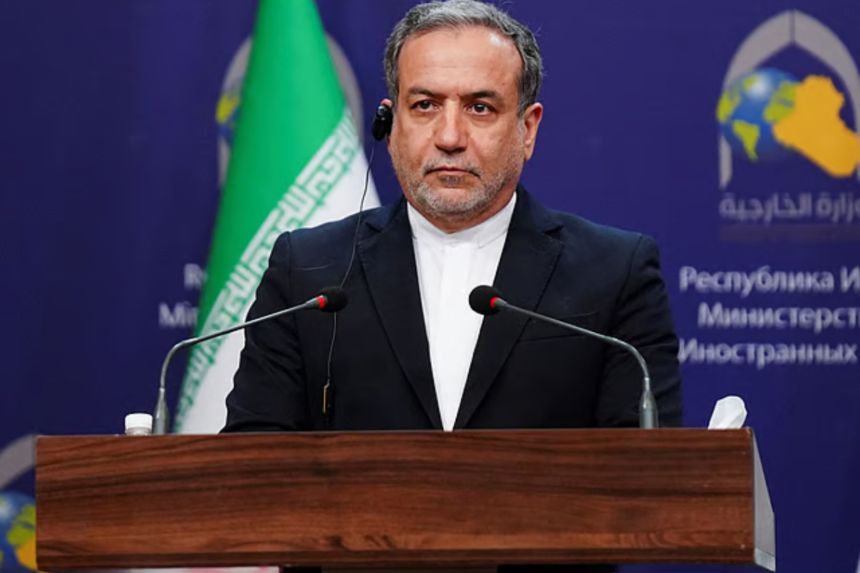
Iran’s Foreign Minister Seyed Abbas Araghchi has delivered one of Tehran’s strongest warnings to the United States since the outbreak of the 2026 regional conflict, declaring that Iran’s armed forces will respond to recent American military actions and cautioning US forces against maintaining a presence in the Gulf.
The statement comes at a time when the fragile ceasefire that has periodically reduced hostilities is showing signs of strain. Military exchanges, accusations from both sides, and growing uncertainty around the Strait of Hormuz have once again raised concerns about the possibility of a wider regional escalation.
For global markets, energy exporters, and regional governments, the latest warning is another reminder that tensions between Washington and Tehran remain far from resolved.
Araghchi’s Warning to Washington
In a message published on social media, Abbas Araghchi accused the United States of deliberately challenging Iran despite what he described as setbacks suffered by Washington and its allies during the conflict.
He stated that Iran’s armed forces would not leave any attack or threat unanswered and urged the United States to leave the region if it wished to remain safe.
The remarks reflected a long-standing position held by Iranian leaders, who have repeatedly argued that foreign military forces contribute to instability in the Gulf rather than regional security.
Iran has historically framed its security policy around the idea that Gulf affairs should be managed by regional countries without external military involvement.
A Conflict Rooted in Long-Standing Disputes
The current confrontation did not emerge suddenly.
Tensions between Iran and the United States have existed for decades, shaped by disputes over Iran’s nuclear programme, regional influence, military alliances, sanctions, and maritime security.
The latest phase of the conflict began earlier this year when joint US and Israeli operations targeted Iranian military, nuclear, and strategic infrastructure.
Those operations marked one of the most significant military confrontations involving Iran in recent years.
Tehran responded with missile and drone attacks, while both sides have continued accusing each other of violating ceasefire understandings and threatening regional stability.
The result has been a cycle of retaliation that continues to fuel uncertainty across the Middle East.
Recent Military Developments
In recent weeks, several incidents have pushed tensions higher.
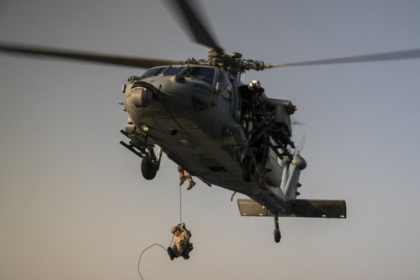
The United States has carried out strikes on Iranian coastal radar systems and military sites, arguing that the actions were necessary to protect maritime traffic and safeguard American personnel operating in the region.
Washington has described many of its recent operations as defensive measures designed to prevent attacks against shipping routes and military assets.
Iran, however, views those actions very differently.
Iranian officials argue that the strikes represent direct aggression against Iranian sovereignty and justify a military response.
The disagreement over who is acting defensively and who is escalating the conflict remains one of the central obstacles to de-escalation.
Why the Strait of Hormuz Remains Critical
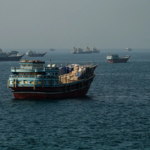
Much of the current tension revolves around the Strait of Hormuz.
The narrow waterway serves as one of the world’s most important energy corridors, carrying a substantial portion of global oil exports and liquefied natural gas shipments.
Any disruption in the Strait immediately attracts global attention because of its potential impact on energy prices, inflation, and international trade.
Iran has repeatedly emphasized the strategic importance of the strait and has historically warned that continued pressure could affect maritime traffic through the region.
For the United States and its allies, maintaining freedom of navigation remains a key strategic objective.
This difference in priorities has made Hormuz one of the most sensitive flashpoints in the broader confrontation.
Diplomacy Under Pressure
Despite the escalating rhetoric, diplomatic efforts have not entirely disappeared.
Indirect discussions concerning a longer-term agreement remain ongoing, including talks involving maritime access, regional security arrangements, and limits related to Iran’s nuclear programme.
However, progress has been slow.
The atmosphere of mistrust between both sides has deepened following repeated military incidents, making negotiations increasingly difficult.
While US officials continue to emphasize deterrence and security objectives, Iranian leaders insist that meaningful progress requires recognition of Iran’s regional interests and security concerns.
The gap between those positions remains substantial.
Market Concerns Grow
Financial markets continue to react to every development in the conflict.
Energy traders, shipping companies, and investors closely monitor statements from both Washington and Tehran because even limited military exchanges can influence oil prices and shipping costs.
Concerns about the security of the Strait of Hormuz remain particularly important.
Any prolonged disruption could affect global supply chains and place additional pressure on economies already facing inflationary challenges.
As a result, geopolitical developments in the Gulf increasingly influence not only regional politics but also broader economic expectations worldwide.
A Region Watching Closely
Countries across the Gulf are closely following developments.
Many regional governments seek stability and have invested heavily in economic diversification, infrastructure, tourism, and international investment initiatives.
A prolonged confrontation between Iran and the United States threatens those ambitions by increasing uncertainty and raising security concerns.
The involvement of multiple regional actors also increases the complexity of the situation.
What begins as a bilateral dispute can quickly affect neighbouring countries, shipping routes, and commercial interests throughout the wider Middle East.
What Happens Next
For now, the situation remains fluid.
Araghchi’s warning highlights Iran’s determination to project strength and signal that future military actions will not go unanswered. At the same time, US officials continue to maintain that their operations are necessary to protect regional security and international navigation routes.
The challenge for both sides is that each new action creates pressure to respond.
That cycle has repeatedly pushed the region closer to confrontation, even during periods when diplomatic channels remain open.
Whether tensions move toward de-escalation or further conflict will depend on military decisions, political calculations, and negotiators’ ability to rebuild trust in an environment where both sides remain deeply skeptical of each other’s intentions.
For now, the Gulf remains one of the world’s most closely watched geopolitical arenas, with the consequences of every decision extending far beyond the region itself.
Photo: Iranian Foreign Minister Abbas Araghchi
X
Source: Gulf News