



Bloomberg’s reported 14-point framework outlines steps to restore shipping, ease sanctions and revive diplomatic engagement.
Interim Framework Aims to Ease Tensions and Restart Diplomatic Engagement
The United States and Iran are reportedly preparing to sign an interim peace agreement in Geneva on June 19, marking what could become the most significant diplomatic breakthrough between the two countries in years.
According to reports, the proposed memorandum of understanding (MoU) would establish a temporary framework for de-escalation while creating a 60-day negotiating window to address more complex issues, including Iran’s nuclear program, sanctions relief, regional security, and the future direction of US-Iran relations.
While both governments have publicly portrayed the agreement as a diplomatic success, many details remain unclear, and the final text has yet to be officially released.
What the Reported Framework Includes
According to Bloomberg, which described the document as a near-final draft, the reported 14-point framework includes several immediate measures designed to reduce tensions and restore stability across the region.
Among the key reported provisions are:
- An immediate ceasefire and broader de-escalation measures
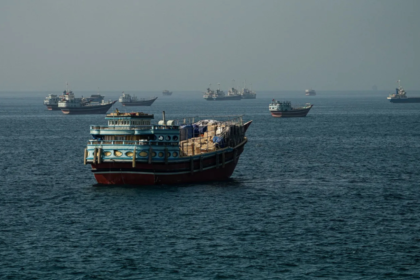
- The reopening of the Strait of Hormuz for international shipping
- Temporary sanctions waivers, particularly for Iranian oil exports
- A 60-day negotiation period focused on nuclear and security issues
- Commitments to continue diplomatic engagement through international mediators
The framework is being described as an interim arrangement rather than a comprehensive settlement, with many of the most sensitive issues deferred to future negotiations.
Both Sides Claim Diplomatic Success
The agreement appears to have been structured in a way that allows both Washington and Tehran to present the outcome as a political victory.
For the United States, the focus remains on limiting Iran’s nuclear ambitions while avoiding direct financial commitments. Reports suggest the framework does not involve US taxpayer funding for reconstruction efforts, with Gulf and Asian private-sector sources expected to play a larger role in economic support initiatives.
Iran, meanwhile, is emphasizing the agreement’s potential benefits in terms of sanctions relief, recognition of national sovereignty, and the reduction of regional tensions.
As is common in complex diplomatic negotiations, different versions and interpretations of the framework have reportedly circulated between the two sides, contributing to uncertainty over the final details.
Reopening Hormuz Remains a Critical Test
One of the most closely watched elements of the agreement is the reported reopening of the Strait of Hormuz.
The strategic waterway handles roughly one-fifth of global oil and liquefied natural gas shipments, making it one of the world’s most important energy corridors. Any disruption to shipping through the strait has immediate implications for global energy markets, trade flows, and inflation.
However, industry experts caution that reopening the route on paper does not automatically restore normal operations.
Shipping companies, insurers, and maritime security specialists continue to seek confirmation that navigation channels are free from mines, unexploded ordnance, and other potential threats before returning to normal transit schedules.
War-risk insurance premiums also remain elevated, increasing the cost of shipping and limiting the speed at which traffic can fully recover.
Oil Markets React Positively
Energy markets have responded favorably to reports of a possible agreement.
Oil prices have retreated significantly from recent highs as traders price in reduced geopolitical risk and the possibility of increased Iranian crude exports entering global markets.
Temporary sanctions relief could allow Iran to increase oil shipments, potentially adding meaningful supply at a time when global markets remain sensitive to disruptions.
Despite the initial optimism, analysts note that much of the recent price decline has already reflected expectations of a diplomatic breakthrough. Future price movements will likely depend on implementation rather than announcements.
Challenges Still Lie Ahead
While the reported framework has generated optimism, significant questions remain unresolved.
The agreement is currently understood to be an interim memorandum rather than a legally binding comprehensive settlement. Key issues surrounding long-term sanctions relief, nuclear restrictions, verification mechanisms, and regional security arrangements remain subject to future negotiations.
Implementation also presents challenges. Rebuilding trust after months of conflict and ensuring compliance from all parties involved will require sustained diplomatic engagement and international oversight.
Regional actors, including Israel and several Gulf countries, are also expected to monitor developments as negotiations continue closely.
What Happens Next
If signed, the agreement would mark the beginning rather than the conclusion of a broader diplomatic process.
The proposed 60-day negotiation period is expected to focus on resolving outstanding disputes, clarifying nuclear commitments, and establishing a more durable framework for future relations.
For global markets, the immediate focus will shift from political announcements to practical outcomes. Investors, energy traders, and shipping companies will be watching whether tanker traffic resumes smoothly through the Strait of Hormuz, whether sanctions relief materializes, and whether both sides remain committed to the negotiation process.
For now, the reported agreement offers a potential pathway away from confrontation. Whether it becomes the foundation for lasting stability or merely a temporary pause in tensions will depend on the difficult negotiations that follow.
President Donald Trump (C-L) speaks during a Cabinet meeting in the Cabinet Room of the White House on May 27, 2026, in Washington, DC. Trump said a peace deal with Iran was “largely negotiated” amid expectations around the reopening of the Strait of Hormuz.
AFP
Source: Gulf News