


Despite rising military tensions, the US and Iran continue to keep diplomatic channels open, raising hopes of preventing a wider regional war.
Despite escalating military attacks across the Middle East, Washington and Tehran continue to keep diplomatic channels open, suggesting negotiations remain possible even as the conflict intensifies.
The conflict between the United States and Iran has entered a dangerous new phase.
Military strikes have expanded across the Gulf, commercial shipping in the Strait of Hormuz remains under threat, and regional tensions continue to rise. Yet behind the scenes, diplomatic efforts have not stopped.
That apparent contradiction may actually define the current conflict. Rather than replacing diplomacy, military pressure is increasingly becoming part of it.
Two Tracks Moving at Once
On Tuesday, Iran continued military operations across the region while simultaneously pursuing diplomatic engagement.
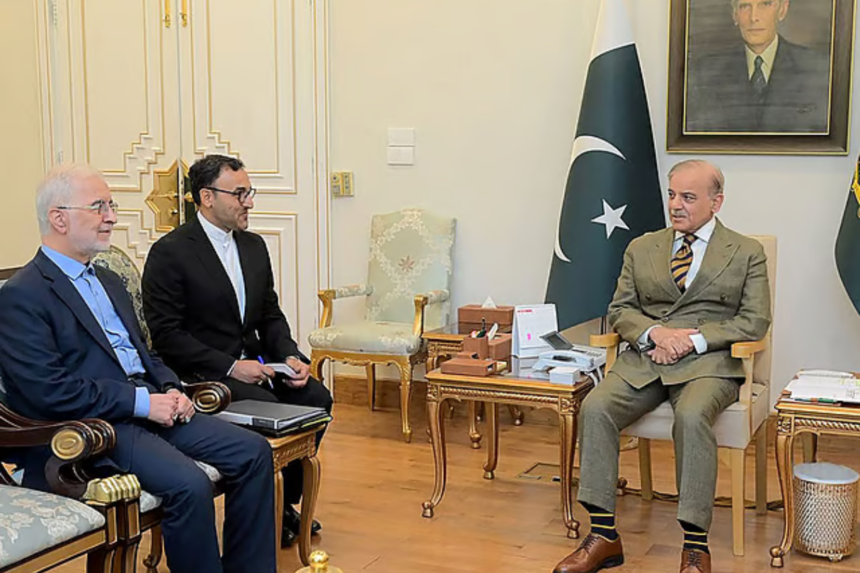
Iranian Interior Minister Eskandar Momeni travelled to Pakistan for meetings with political and military leaders, while Tehran confirmed that indirect contacts with Washington through international mediators remain active.
The United States has also signalled that diplomacy remains an option.
US officials have reiterated that negotiations are still possible, provided both sides engage in meaningful discussions.
The message from both capitals is increasingly clear: military operations continue, but neither side has completely closed the door to diplomacy.
Military Pressure Continues to Build
At the same time, fighting has intensified.
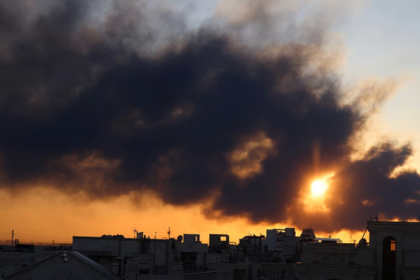
Iran expanded its military campaign with missile and drone attacks targeting countries hosting US forces, while maritime incidents near the Strait of Hormuz continued to disrupt commercial shipping.
The United States responded with additional strikes against Iranian military infrastructure, including missile launch sites, command centres, air defence systems, and maritime facilities.
Neither government appears willing to reduce military pressure without first strengthening its negotiating position.
The Strait of Hormuz Remains the Central Flashpoint
Although the conflict is spreading geographically, the Strait of Hormuz remains its strategic centre.
The United States says its operations are intended to protect freedom of navigation through one of the world’s most important energy corridors.
Iran continues to view the waterway as one of its strongest sources of strategic leverage.
Any disruption affects not only regional security but also global energy markets, shipping costs, and international trade.
The Conflict Is Expanding Beyond Hormuz
Recent developments suggest the confrontation is no longer confined to the Gulf.
Threats against shipping routes beyond Hormuz, attacks on regional infrastructure, and strikes involving multiple neighbouring countries indicate that the conflict is becoming increasingly regional.
Every new front complicates military planning while increasing diplomatic pressure on governments seeking to prevent a broader war.
Neither Side Has Secured a Breakthrough
Despite repeated military operations, neither Washington nor Tehran has achieved a decisive advantage.
The United States continues its campaign against Iranian military capabilities, while Iran maintains its ability to disrupt regional shipping and project military pressure across multiple fronts.
That military stalemate may explain why diplomatic communication continues despite the ongoing fighting.
Both governments appear determined to negotiate from a position of strength rather than compromise under pressure.
Diplomacy Has Become Part of the Strategy
Rather than viewing diplomacy and military action as separate approaches, both sides increasingly appear to be using them together.
Military operations strengthen bargaining positions.
Diplomatic channels remain open to prevent uncontrolled escalation.
This combination reflects a familiar pattern in international conflicts, where negotiations often continue even while fighting intensifies.
Rising Economic and Regional Pressure
The conflict is producing consequences well beyond the battlefield.
Higher oil prices, increased shipping insurance costs, longer maritime routes, and uncertainty across global energy markets continue to affect businesses and consumers alike.
Regional governments are also balancing security concerns with economic stability as disruptions threaten critical trade corridors.
The longer the conflict continues, the greater the economic and political pressure on all parties involved.
Can Diplomacy Still Prevent a Wider War?
Merged version (Best):
For now, the future of diplomacy remains uncertain. Neither Washington nor Tehran has abandoned diplomatic channels, yet neither appears willing to compromise.
Instead, both sides seem focused on strengthening their negotiating positions before meaningful talks begin, creating a fragile balance where every military operation raises the risk of miscalculation, while every diplomatic contact offers a narrow chance to prevent a wider conflict.
Ultimately, diplomacy may succeed only if both governments conclude that the cost of continued confrontation outweighs the price of compromise.
Source: Gulf News
This handout photograph taken on July 21, 2026 and released by Pakistan’s Prime Minister’s Office shows Pakistan’s Prime Minister Shehbaz Sharif (R) meeting Iranian Interior Minister Eskandar Momeni (L) at the Prime Minister House in Islamabad.
AFP