


As digital fatigue grows, young people are rediscovering handwritten letters, paper crafts, and analog connections through snail mail clubs.
In a world where communication has become increasingly instant, disposable, and algorithm-driven, a growing number of Gen Z and millennial consumers are turning toward something far slower and surprisingly emotional: handwritten mail arriving through the letterbox.
Across the US, Australia, and Europe, snail mail clubs are quietly becoming one of the internet generation’s most unexpected lifestyle trends. Subscribers pay monthly fees, often between $8 and $15, to receive carefully curated physical letters filled with handwritten notes, artwork, tarot cards, stickers, playlists, poetry, journal prompts, recipes, or paper crafts created by independent artists and creators around the world.
What may appear nostalgic on the surface is actually tied to something much deeper. For many young people, these letters offer a temporary escape from the emotional exhaustion created by constant scrolling, endless notifications, and highly performative digital spaces.
The growing appeal of snail mail culture reflects a wider movement toward slower, more intentional experiences that feel tangible, personal, and emotionally grounding.
Why Younger Audiences Are Turning Toward Analog Living
The rise of snail mail clubs comes at a time when many younger consumers are actively rethinking their relationship with digital life. Social media platforms that once felt exciting and connective are increasingly described as overwhelming, repetitive, and emotionally draining.
As a result, hobbies associated with “analog living” are experiencing renewed popularity among younger audiences. Reading, journaling, knitting, scrapbooking, film photography, vinyl collecting, and handwritten correspondence are all experiencing a cultural revival, particularly among Gen Z users seeking activities that feel less transactional and more immersive.
Snail mail fits naturally into that shift because it demands slowness in a way modern communication no longer does.
Unlike a text message or a social media post that disappears into a constant stream of content, a physical letter demands attention. It is opened carefully, unfolded slowly, touched, reread, displayed, or saved. That sensory experience has become part of its emotional value.
Many subscribers say the process itself feels calming because it interrupts the speed and fragmentation of online life.
More Than Nostalgia
Although the trend borrows heavily from traditional letter writing, its popularity is not simply about romanticizing the past. Most participants grew up entirely within the digital era and are deeply connected online. What they are seeking is not rejection of technology, but balance.
For many creators behind these mail clubs, the shift toward physical correspondence also emerged from burnout with content-driven internet culture.
Australian creator Madalin Giorgetta, who previously built a large audience online through wellness and fitness content, eventually found digital creation emotionally exhausting and impersonal. Her monthly snail mail project, Raindrops on Roses, became a way to reconnect with creativity in a more intimate format.
Each edition is built around themes inspired by mythology, spirituality, emotional healing, or self-reflection and often includes handmade elements assembled over several days. Subscribers receive carefully decorated letters containing crafts, vintage-inspired artwork, scented paper items, and reflective activities intended to encourage mindfulness and imagination.
That level of visible effort is part of what makes handmade mail feel meaningful to recipients.
In an environment where most digital content is optimized for speed and efficiency, physical mail communicates care through the time it clearly requires to create.
The Emotional Appeal of Waiting for Something
Part of the emotional power behind snail mail culture lies in anticipation, something increasingly rare in modern consumer experiences.
Most forms of digital communication prioritize immediacy. Messages arrive instantly. Videos autoplay endlessly. Purchases appear within hours. Algorithms are designed to eliminate waiting entirely.
Handmade mail reintroduces waiting as part of the experience itself.
Subscribers often describe counting down the days until the next envelope arrives, not knowing exactly what will be inside. That unpredictability creates excitement in a way digital interactions often fail to replicate.
Many also describe receiving handmade letters as emotionally different from consuming online self-care or wellness content because the experience feels physical and lasting rather than temporary and forgettable.
For some, it becomes one of the few pieces of “fun mail” they receive all month.
Building Community Beyond Social Media
Although snail mail clubs are built around physical correspondence, many participants say the trend has unexpectedly helped create stronger feelings of community.
Some clubs encourage subscribers to exchange letters with one another, while others include QR codes, penpal programs, or online spaces where members discuss the mail they received. What begins as an individual activity often evolves into a wider network of people connected through shared interests in creativity, art, reflection, or slow living.
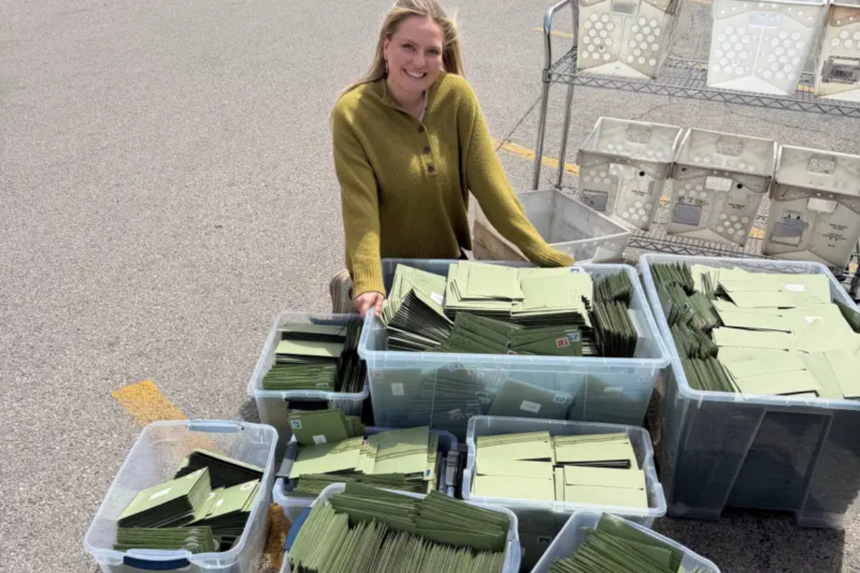
For Austin-based creator Hannah Gustafson, the idea behind her mail club emerged after followers outside her local community events wanted a way to experience the same emotional atmosphere from afar. Her project eventually grew into a global subscriber community receiving handwritten reflections, recipes, playlists, art prints, and paper-based activities inspired by her gatherings.
Many subscribers say these experiences helped reduce screen time while encouraging more offline hobbies such as painting, journaling, crocheting, or reading.
The trend also highlights how younger generations increasingly value emotional authenticity over polished digital perfection. Handmade letters feel imperfect in ways that make them more human, and that imperfection itself has become part of the appeal.
A Search for Presence in a Hyper-Digital World
The popularity of snail mail clubs ultimately reveals a broader cultural shift happening among younger audiences. After years of hyper-connectivity, many people are beginning to crave experiences that feel slower, tactile, and emotionally sincere.
Handwritten letters require focus in a way digital media often does not. Opening an envelope, reading handwritten pages, pinning artwork to a wall, or sitting quietly with a physical object creates a level of presence that endless scrolling rarely provides.
For a generation raised inside algorithm-driven platforms designed around speed and constant stimulation, those moments of stillness increasingly feel valuable.
Whether the trend becomes a lasting cultural habit or remains a temporary response to digital fatigue remains uncertain. But for now, snail mail clubs are offering something many younger consumers feel has quietly disappeared from modern communication: intention, anticipation, and genuine human warmth.
Read more news, and follow us on Instagram
Source: BI