


Technology helps track operations in real time and enhance passenger satisfaction.
As cities grow, public transport systems face a difficult challenge. They must move more people, respond faster to disruptions, reduce environmental impact, and maintain high service standards at the same time.
Dubai is addressing that challenge through technology.
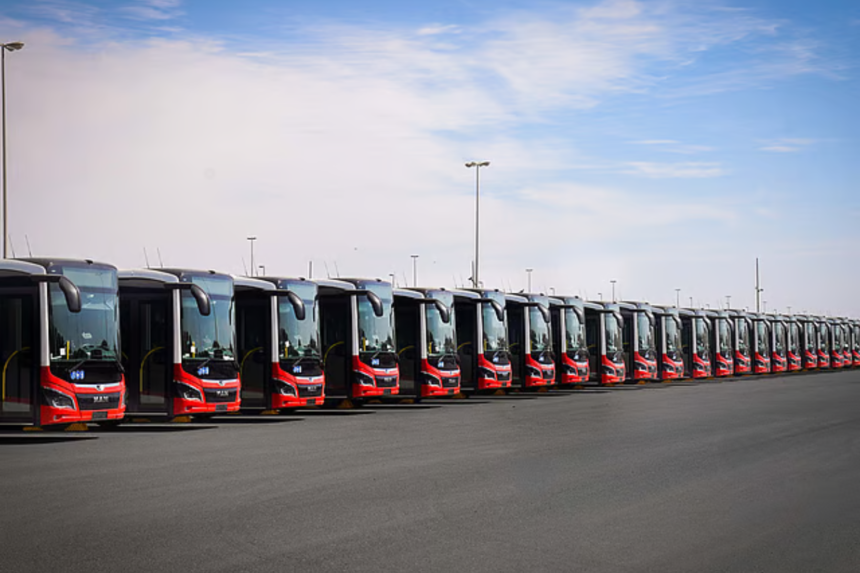
The Roads and Transport Authority (RTA) has introduced a new generation of AI-powered smart dashboards at its Bus Operations Control Centre, marking another step in the city’s broader smart mobility strategy. While passengers may not immediately see the technology behind the scenes, its impact is already becoming visible through improved service reliability, faster response times, and more efficient operations.
The initiative highlights how artificial intelligence is increasingly becoming a practical tool for urban transport management rather than simply a future concept.
Moving From Reactive to Predictive Operations
Traditional transport management often relies on responding to problems after they occur.
Delays are identified once they happen. Service disruptions are addressed after passengers are affected. Operational adjustments frequently depend on manual monitoring and decision-making.
Dubai’s new smart dashboard system aims to change that model.
Using artificial intelligence and advanced analytics, the platform continuously monitors bus operations across the network in real time. This allows operators to identify potential issues earlier, track performance more accurately, and make faster decisions when service adjustments are needed.
The result is a shift from reactive management toward predictive operations.
Instead of waiting for problems to escalate, transport teams can intervene before disruptions significantly affect passengers.
Improving Reliability Across the Network
For public transport users, reliability often matters as much as speed.
A service that consistently arrives on time creates trust and encourages greater usage. Conversely, frequent delays or inconsistent schedules can push commuters toward private vehicles.
The new dashboard system has already delivered measurable operational improvements.
According to RTA, early departures have been reduced by more than 68 percent since the technology was introduced. This is a significant achievement because early departures can be just as disruptive as delays, particularly for passengers who arrive according to published schedules.
The system also helps maintain operational performance in line with international standards, ensuring that service quality remains consistent across the network.
Faster Response During Disruptions
Modern transport systems operate as interconnected networks.
When one part of the system experiences disruption, other modes of transport often need to compensate quickly.
Dubai’s smart dashboards support this flexibility.
During metro service interruptions, operators can rapidly deploy additional buses to affected areas. The system provides real-time visibility into available resources, allowing transport teams to make informed decisions and reduce passenger inconvenience.
Automated alerts further improve responsiveness by helping operators identify service issues immediately.
This capability becomes increasingly valuable as Dubai’s population continues to grow and mobility demands become more complex.
Supporting Sustainability Goals
The benefits of intelligent transport systems extend beyond passenger convenience.
Efficiency improvements can also contribute significantly to environmental sustainability.
The AI-powered dashboards help optimize vehicle operations, reduce unnecessary engine idling, and improve parking management across the bus fleet. These adjustments may appear minor individually, but their cumulative impact is substantial when applied across a large transportation network.
According to RTA, the initiative has contributed to a reduction of more than 13,000 tonnes of carbon dioxide emissions.
This demonstrates how digital transformation can support both operational performance and environmental objectives simultaneously.
As cities worldwide work toward lower emissions and more sustainable mobility solutions, such technologies are becoming increasingly important.
Data as a Strategic Asset
One of the most important aspects of the project is its use of data.
Every bus journey generates valuable operational information. Vehicle movements, passenger demand patterns, service punctuality, traffic conditions, and route performance all create data points that can be analyzed to improve decision-making.
The smart dashboards transform this information into actionable insights.
Rather than simply collecting data, the system helps operators understand trends, identify inefficiencies, and make evidence-based decisions.
This approach reflects a broader shift occurring across many industries where data is no longer viewed as a by-product of operations but as a strategic asset capable of driving continuous improvement.
Reinforcing Dubai’s Smart City Vision
Dubai has consistently positioned itself as a global leader in smart city development.
From digital government services to autonomous mobility initiatives and AI-driven infrastructure projects, the city has invested heavily in technology to improve quality of life.
The deployment of AI-powered dashboards within public transportation aligns closely with that vision.
It demonstrates how advanced technologies can be integrated into essential public services to create tangible benefits for residents and visitors.
Importantly, the initiative is not focused solely on innovation for its own sake. The objective is practical improvement: better service reliability, stronger operational performance, reduced environmental impact, and a more seamless passenger experience.
The Future of Urban Mobility
As urban populations continue to expand, transport authorities worldwide will face increasing pressure to operate more efficiently while meeting rising passenger expectations.
Artificial intelligence, real-time analytics, and predictive management systems are likely to become standard components of future transport networks.
Dubai’s latest initiative offers a glimpse into that future.
By embedding intelligence into everyday operations, RTA is creating a transport system that can adapt more quickly, operate more efficiently, and deliver a better experience for the people who depend on it.
The success of the project suggests that the future of public transportation may not be defined solely by new vehicles or infrastructure, but also by the intelligent systems working behind the scenes to keep cities moving smoothly.
Source: Gulf News