


Trump distinguishes between Iran’s leadership and its people while touting diplomatic progress.
The prospect of a new agreement between the United States and Iran moved back into focus this week after US President Donald Trump suggested that a peace deal could be finalized soon, potentially marking a major turning point in one of the Middle East’s most volatile conflicts.
Speaking during an interview on Fox News, Trump indicated that negotiations had reached an advanced stage and suggested that a formal signing could take place in the near future. His remarks sparked immediate reactions across financial markets, with oil prices falling and equities rising on expectations that regional tensions could ease.
Yet despite the optimism coming from Washington, officials in Tehran have signaled that no final decision has been reached, highlighting the uncertainty that continues to surround the negotiations.
Trump’s Message to the Iranian People
One of the most notable aspects of Trump’s comments was his effort to separate the Iranian population from the country’s leadership.
During the interview, Trump expressed sympathy for ordinary Iranians, arguing that many citizens live under political conditions that leave little room for dissent or protest. He suggested that fear of government retaliation has prevented broader public opposition to the ruling establishment.
This distinction between the Iranian government and its people has become a recurring theme in Trump’s public statements. Rather than directing criticism toward Iranian citizens, he has consistently framed his objections around the actions of the country’s leadership, military structures, and regional policies.
The approach appears designed to maintain pressure on Tehran while avoiding rhetoric that could alienate the broader population.
Negotiations Gain Momentum
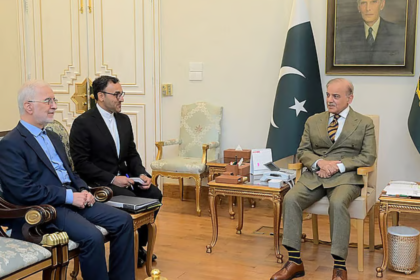
Trump claimed that discussions had reached the highest levels of Iran’s leadership and suggested that preparations for a formal agreement were underway.
According to his comments, a signing location could potentially be announced soon, with Europe mentioned as a possible venue.
The president also stated that planned military strikes had been cancelled as diplomatic efforts progressed. While he did not provide detailed information about the contents of a potential agreement, the remarks reinforced the perception that both sides remain engaged in negotiations despite months of military confrontation.
The possibility of a breakthrough is particularly significant given the prolonged tensions that have dominated relations between Washington and Tehran throughout 2026.
Tehran Urges Caution
Iranian officials, however, have presented a more measured assessment of the situation.
While acknowledging ongoing discussions, Tehran has reportedly stated that no final agreement has been approved and that key decisions remain unresolved.
This gap between Washington’s optimism and Tehran’s caution is not unusual in high-stakes international negotiations. Public messaging often serves strategic purposes, with governments attempting to shape expectations while preserving negotiating leverage.
As a result, analysts remain cautious about interpreting political statements as confirmation that a deal is imminent.
The absence of a finalized agreement means that significant obstacles may still need to be addressed before any formal announcement can be made.
The Economic Stakes
The outcome of the negotiations carries implications far beyond diplomacy.
Markets reacted positively to Trump’s comments because any reduction in regional tensions could affect global energy supplies and shipping routes. The Strait of Hormuz remains one of the world’s most important energy corridors, handling a significant share of global oil exports.
Concerns about disruptions in the Gulf have contributed to volatility in energy markets throughout the year. A lasting agreement could help stabilize shipping activity, reduce risk premiums in oil prices, and improve confidence among investors.
At the same time, failure to secure a deal could trigger renewed uncertainty and further market turbulence.
Military Pressure and Diplomacy
The negotiations are taking place against the backdrop of continued military pressure.
The United States has maintained strikes against selected Iranian military targets while enforcing a naval blockade on Iran-linked shipping. Washington argues that these measures are necessary to protect regional security and maintain freedom of navigation.
Iran, meanwhile, has rejected many of the accusations directed at it and has responded through limited military actions while continuing diplomatic engagement through indirect channels.
This combination of pressure and negotiation reflects a familiar pattern in international diplomacy, where military leverage and political dialogue often proceed simultaneously.
The Distinction Between Regime and Population
Trump’s latest remarks also reinforce a broader strategic narrative that differentiates between Iran’s leadership and its citizens.
He suggested that any future political change in Iran would likely come from internal developments rather than direct foreign intervention. This position aligns with previous statements emphasizing support for the Iranian people while avoiding calls for large-scale military involvement on the ground.
The approach remains controversial. Some critics argue that stronger measures should target the country’s leadership directly, while others believe diplomatic engagement remains the most effective path toward stability.
Regardless of the debate, the distinction has become a central element of the administration’s messaging.
What Happens Next
For now, the prospect of a US-Iran peace agreement remains a possibility rather than a certainty.
Negotiations appear to be continuing, but public statements from both sides suggest that important issues remain unresolved. The coming days and weeks will likely determine whether the current momentum can be transformed into a formal agreement or whether the process faces another setback.
The stakes are considerable.
A successful deal could ease regional tensions, stabilize energy markets, and reduce the risk of further military escalation. Failure, however, could prolong uncertainty and deepen a conflict that has already reshaped security dynamics across the Middle East.
For investors, governments, and citizens across the region, the outcome will be closely watched as diplomacy attempts to gain ground over confrontation.
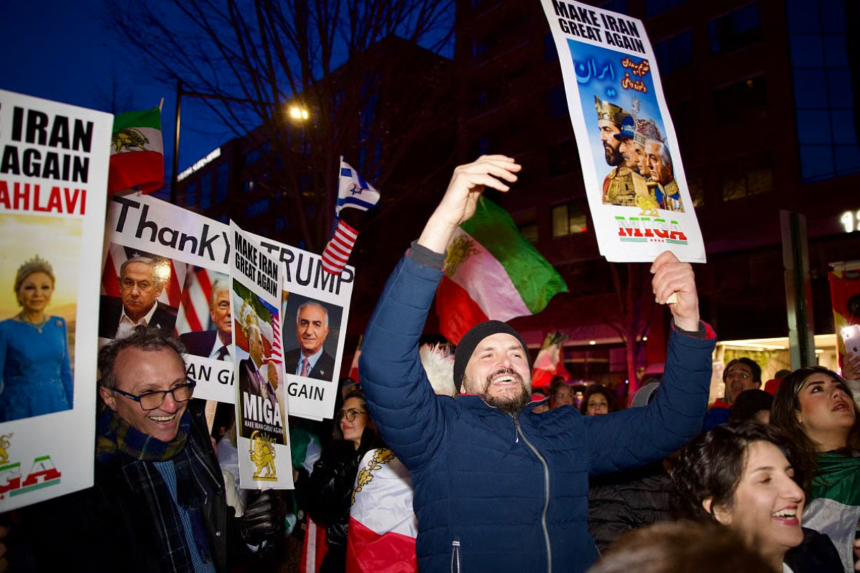
Iranian protesters gather during a demonstration organized by diaspora groups calling for political change in Iran and responding to appeals by opposition figures, outside the Iranian Interests Section in Washington, DC, on March 17, 2026, AFP-AMID FARAHI
Read more news, and follow us on Instagram
Source: Gulf News