


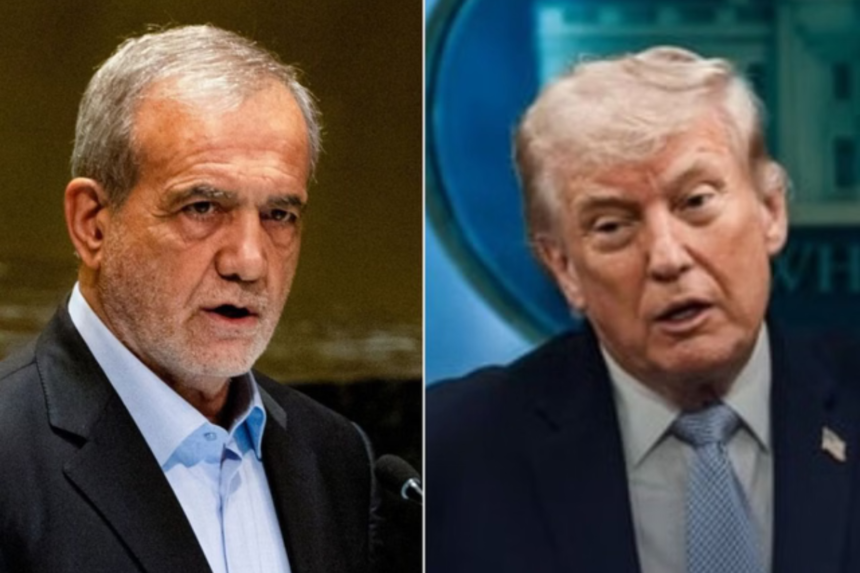
The reported proposal aims to revive nuclear talks with Iran while creating a pathway to ease broader regional tensions.
A reported 14-point proposal being discussed between Washington and Tehran could become the foundation for the most significant diplomatic breakthrough between the two sides in years.
According to reports from Axios and Reuters, the proposal is designed to end the current Gulf conflict, reopen nuclear negotiations, and reduce broader regional tensions involving Iran, the United States, and indirectly Israel.
While the full document has not been publicly released, officials and sources familiar with the talks say discussions are centered around a short memorandum of understanding that could eventually lead to a broader long-term agreement.
Ceasefire and Strait of Hormuz Reopening Form the Immediate Priority
One of the central pillars of the proposal is an immediate ceasefire involving the United States, Iran, and regional operations connected to the wider conflict.
The reopening of the Strait of Hormuz is reportedly another urgent priority.
The strategic waterway handles roughly one-fifth of global oil shipments, making any disruption a major threat to global energy markets. Iran’s restrictions on shipping traffic during the recent crisis contributed to rising oil prices and renewed concerns over global supply chains.
According to Reuters, negotiators are discussing a phased restoration of maritime traffic alongside the gradual easing of military restrictions in the region.
Markets reacted quickly to reports of the talks, with oil prices declining on expectations that shipping routes through the Gulf could stabilize again.
Nuclear Restrictions Remain the Core Negotiation Point
The biggest issue under discussion remains Iran’s uranium enrichment program.
Reports suggest the United States initially pushed for a 20-year freeze on enrichment activities, while Iran proposed a shorter five-year period. Negotiators are now reportedly discussing a compromise closer to 15 years.
Another major issue involves Iran’s stockpile of highly enriched uranium. Axios reported that the possible removal or transfer of enriched material outside Iran could become one of Tehran’s most significant concessions if an agreement is reached.
At the same time, Tehran continues to push for the right to retain at least some level of civilian nuclear capability, which remains one of the most sensitive unresolved areas of the negotiations.
Sanctions Relief Could Become the Main Incentive
In exchange for nuclear concessions and reduced regional escalation, Washington is reportedly discussing sanctions relief measures and the release of frozen Iranian financial assets.
This could provide Iran with much-needed economic breathing room after years of sanctions pressure and growing domestic economic strain.
Sources cited by Reuters also said negotiators are discussing a 30-day diplomatic window after the ceasefire to move toward a broader and more permanent agreement.
Potential negotiation venues reportedly include Geneva and Islamabad.
Several Major Issues Still Remain Unresolved
Despite growing diplomatic momentum, several major disagreements continue to complicate the talks.
According to Axios, unresolved issues include:
- Iran’s ballistic missile program
- Tehran’s support for regional groups, including Hezbollah and the Houthis
- Long-term nuclear inspection mechanisms
- The future scope of Iran’s civilian enrichment activities
These areas have historically been among the hardest parts of any US-Iran negotiation because they extend beyond the nuclear issue into broader regional power dynamics.
Trump Allies Reportedly Involved in Negotiations
Axios reported that a one-page draft memorandum is being negotiated, involving Trump-linked envoys including Steve Witkoff and Jared Kushner, as well as Iranian officials and intermediaries.
The proposed framework reportedly declares an “end” to the current regional war before transitioning into broader negotiations during a 30-day stabilization period.
US officials reportedly indicated that both Iranian maritime restrictions and certain US military measures would be eased gradually during that period.
Skepticism and Political Resistance Remain High
Despite optimism around the talks, skepticism remains strong on all sides.
Hardliners in Iran remain wary of American guarantees and long-term compliance. Israeli officials and some US political factions also reportedly oppose concessions that could leave Iran with any nuclear infrastructure or regional influence intact.
US officials have warned that military pressure and sanctions could quickly return if negotiations collapse.
That uncertainty means the proposed agreement remains fragile even before any formal framework has been finalized.
Why the Talks Matter Globally
The negotiations extend far beyond bilateral US-Iran relations.
The outcome could directly influence global oil markets, shipping stability, regional security dynamics, inflation pressures, and broader geopolitical tensions across the Middle East.
For now, the proposal represents the closest Washington and Tehran have come to restarting meaningful diplomacy since the latest regional conflict escalated. Whether it becomes a durable agreement or another failed negotiation may depend on how both sides navigate the unresolved issues still sitting at the center of the talks.
Source: Gulf News