


Iran’s latest attacks have revived questions over whether President Donald Trump will pursue military action or revive diplomatic efforts.
Renewed violence in the Strait of Hormuz forces the White House to balance military action, sanctions, and diplomacy.
Just weeks after declaring a diplomatic breakthrough with Iran, President Donald Trump is once again confronting one of the most difficult foreign policy decisions of his presidency.
Renewed Iranian attacks on commercial shipping in the Strait of Hormuz, followed by fresh U.S. air strikes and retaliatory attacks on American-linked targets in Gulf countries, have pushed the fragile June memorandum of understanding (MoU) to the brink of collapse. The latest escalation has raised fresh questions over whether Washington will intensify military operations or attempt to revive negotiations.
The recent violence suggests the agreement eased tensions only temporarily without resolving the underlying dispute over security and influence in one of the world’s most strategically important waterways.
Military options carry significant risk.s
The Trump administration has warned that the United States is prepared to respond with additional force if Iran continues threatening international shipping through the Strait of Hormuz.
Washington retains overwhelming military capabilities, with options ranging from expanded air strikes and tougher economic sanctions to operations targeting Iran’s energy infrastructure and military assets. However, each option carries substantial strategic and economic risks.
Iran’s recent attacks on U.S.-linked targets in the Gulf demonstrated how quickly a confrontation can spread beyond Iranian territory. A prolonged conflict could place American forces, regional allies, and critical energy infrastructure at greater risk while disrupting one of the world’s busiest energy corridors.
Military action also offers no guarantee of eliminating Iran’s ability to threaten maritime traffic. Even after suffering damage to conventional military facilities, Tehran could continue using drones, missiles, naval mines, and fast attack boats to disrupt commercial shipping through the narrow waterway.
Debate grows over the limits of military force.ce
The latest escalation has renewed debate in Washington over whether military power alone can produce a lasting solution.
Critics argue that while additional strikes may weaken Iran’s military capabilities, they are unlikely to resolve the broader geopolitical dispute surrounding regional influence and freedom of navigation in the Strait of Hormuz.
At the same time, a wider conflict could increase pressure on global energy markets. Higher oil prices would likely feed inflation and create additional political challenges for the White House as domestic economic concerns remain a major issue.
Sanctions remain another pressure tool.
Alongside military options, the administration is also relying on renewed economic pressure.
Washington has begun restoring sanctions that had been eased under the earlier agreement, hoping sustained financial restrictions will encourage Tehran to return to negotiations from a weaker position.
Supporters believe tighter sanctions could reduce Iran’s ability to finance military operations and regional proxy groups by limiting oil revenue.
Critics, however, argue that previous sanctions have shown Iran’s willingness to absorb significant economic hardship when core national security interests are involved. The latest confrontation suggests Tehran continues to regard control and security in the Strait of Hormuz as a strategic priority.
Diplomacy remains uncertain but possible
Although President Trump has declared the memorandum of understanding effectively over, the administration has not completely ruled out further negotiations.
Recent statements from U.S. officials suggest diplomatic channels remain open if conditions improve, even as military operations continue. Regional countries, including Qatar, Egypt, Pakistan, and Saudi Arabia, have also supported efforts to prevent a broader conflict.
For now, neither Washington nor Tehran appears eager to enter a prolonged regional war. At the same time, neither side has shown a willingness to make the concessions needed for a durable settlement.
Instead, both governments continue to combine military pressure with diplomatic signalling in an effort to strengthen their negotiating positions.
The Strait of Hormuz remains at the centre of the crisis
The latest escalation demonstrates that the dispute extends well beyond attacks on individual vessels or temporary ceasefires.
At its core, the confrontation reflects a broader struggle over regional influence, deterrence, and the future security of the Strait of Hormuz, a vital route for global energy supplies.
For President Trump, every available option now carries significant consequences. Military escalation risks widening the conflict, while renewed diplomacy could require difficult political compromises.
As tensions continue to rise, the White House faces increasingly narrow choices, with the future of the fragile U.S.-Iran relationship and the stability of one of the world’s most important maritime corridors hanging in the balance.
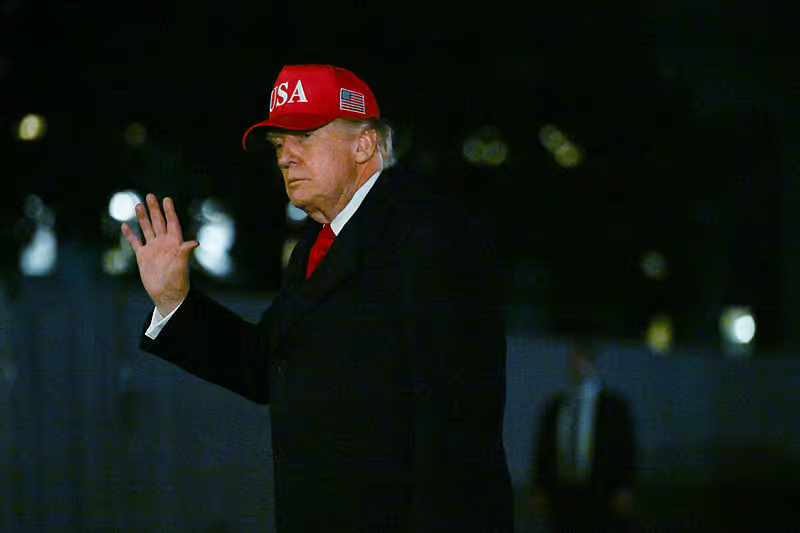
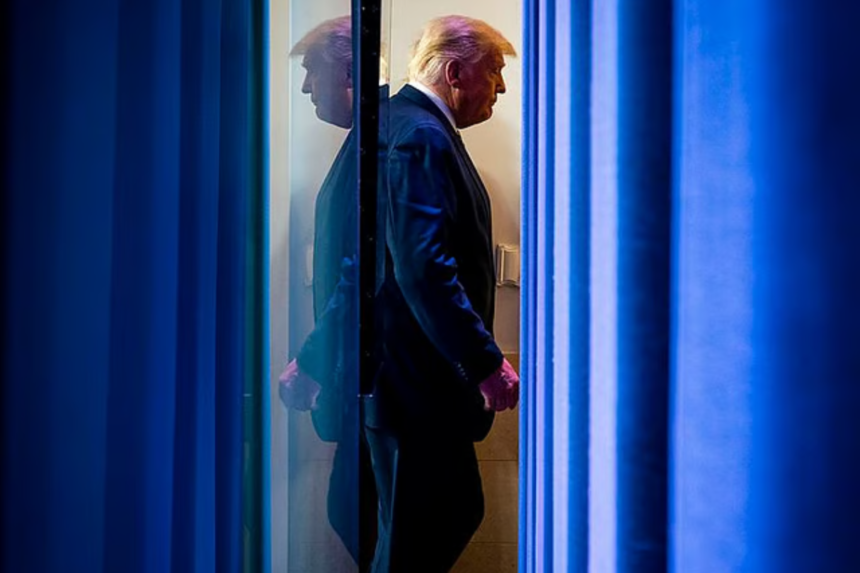
President Donald Trump faces renewed pressure over Iran as fresh attacks threaten to unravel the fragile ceasefire and narrow Washington’s options.
Gulf News Archives
Source: Gulf News