



Iran has announced the reopening of the Strait of Hormuz to commercial shipping, restoring access to one of the world’s most vital energy corridors after weeks of disruption.
The move follows a temporary ceasefire in Lebanon and signals a shift toward easing immediate pressure on global trade routes, though it does not indicate a full resolution of underlying tensions.
Markets Respond, But Caution Persists
Oil prices declined following the announcement, reflecting market expectations that supply flows may resume without further interruption.
However, the adjustment remains cautious. The reopening reduces immediate risk but does not eliminate structural uncertainty tied to the broader conflict.
The Strait remains operational, yet conditions around it remain fragile.
A Partial Return, Not a Reset
Despite Iran’s declaration, the situation remains layered.
The United States continues to maintain pressure through restrictions targeting Iranian shipping, ensuring that the reopening does not translate into full normalization.
This creates a dual reality. Commercial vessels can pass through, but under continued geopolitical strain and the possibility of renewed disruption.
Strategic Importance of the Strait
The Strait of Hormuz carries roughly one-fifth of the global oil supply along with significant volumes of liquefied natural gas.
Any disruption in this narrow corridor has immediate consequences for global energy markets, affecting pricing, insurance costs, and shipping routes.
During the recent conflict, reduced traffic and rising risk premiums pushed oil prices above $100 per barrel, linking military developments directly to economic impact.
Why the Shift Now
Iran’s decision reflects a combination of strategic and diplomatic considerations.
The ceasefire in Lebanon has reduced immediate escalation risks, while ongoing negotiations with the United States have kept attention on a broader settlement.
At the same time, pressure from global economies dependent on stable energy flows has intensified calls for reopening the route.
The move allows Iran to ease external pressure while retaining leverage within negotiations.
Diplomacy Gains Momentum
Talks involving regional and international actors have accelerated.
Countries including Pakistan, Saudi Arabia, the United Arab Emirates, and Qatar are engaged in mediation efforts, while European nations are exploring measures to secure maritime routes.
Discussions remain focused on three core areas. Nuclear constraints, maritime security, and post-conflict economic considerations.
What Comes Next
The reopening introduces a temporary easing of pressure, but its durability depends on the trajectory of negotiations and the stability of the ceasefire.
Any breakdown in talks or renewed escalation could quickly disrupt shipping and reverse market gains.
Concluding View
The Strait of Hormuz is open again, but under conditions defined by negotiation rather than resolution, with stability existing only as long as diplomatic momentum holds.
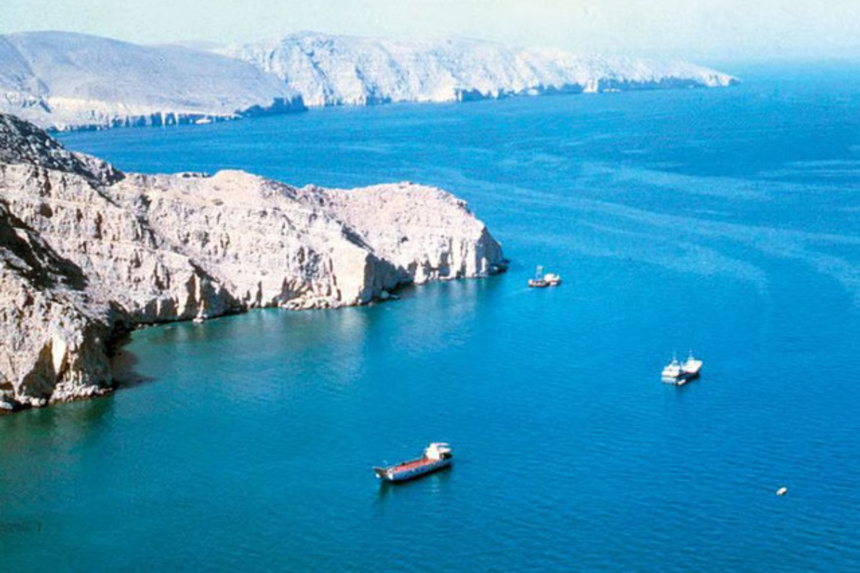
A view of ships passing through the narrow but strategic Strait of Hormuz between Oman and Iran.
Source: Gulf News
With inputs from AP, AFP