


Traffic recovered strongly in the second quarter as Salik reported a first-half net profit of Dh704 million with a 49.9% profit margin.
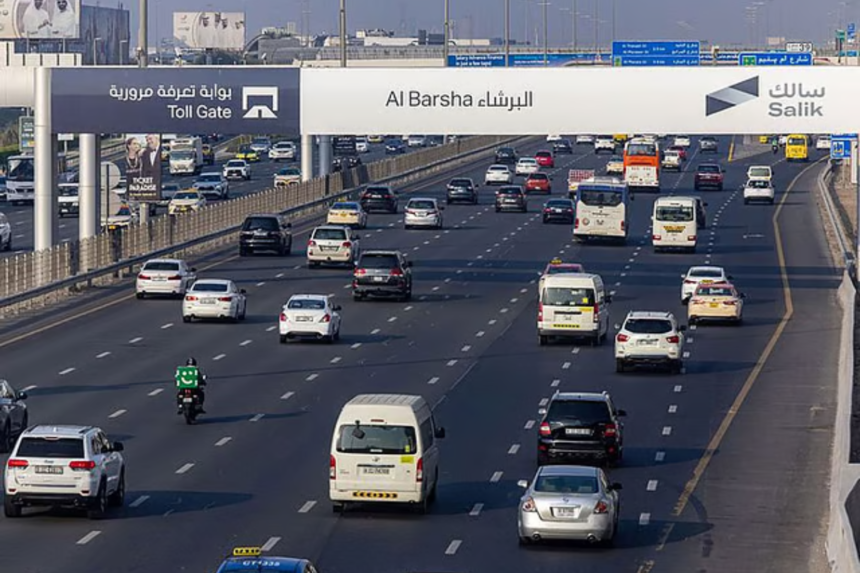
Dubai’s traffic has largely returned to normal after several months of disruption, according to Salik CEO Ibrahim Sultan Al Haddad, as the emirate’s toll operator reported a strong recovery during the second quarter of 2026.
Although regional events earlier this year weighed on traffic volumes, revenue, and profitability, Salik said vehicle movements improved steadily through April and May before approaching near-normal levels in June.
The company also maintained robust profitability, reporting Dh704 million in net profit after tax for the first half of 2026 while continuing to diversify its revenue beyond toll collections.
Traffic Recovered Gradually During the Second Quarter
Salik said traffic volumes began slowing following the exceptional regional events that started in late February.
However, the recovery gathered momentum throughout the second quarter.
“Traffic progressively recovered in April and May before returning to almost near-normal levels in June,” the company said in its earnings update.
Despite the improvement, total journeys through Salik’s toll gates during the first six months of the year declined compared with the same period in 2025.
A total of 383.8 million journeys, including discounted trips, passed through Salik’s network during the first half, down 9.5% from 424.2 million a year earlier.
Chargeable toll trips fell 12.5% to 278.5 million, while second-quarter chargeable trips declined 17.2% year-on-year to 132.8 million.
First-Half Profit Reaches Dh704 Million
Salik reported Dh704 million in net profit after tax during the first half of 2026, compared with Dh770.9 million in the corresponding period last year.
Net profit before tax stood at Dh773.6 million, representing an 8.7% year-on-year decline.
Second-quarter net profit before tax totaled Dh367.9 million, down 16.4% from a year earlier.
Despite the decline, Salik maintained one of the strongest profitability levels in the sector, with a 49.9% net profit margin, only slightly below the 50.5% recorded in the first half of 2025.
“Our disciplined operating model enabled the company to maintain strong profitability and continue delivering healthy cash generation,” said CEO Ibrahim Sultan Al Haddad.
Revenue Falls as Toll Traffic Declines
First-half revenue reached Dh1.41 billion, down 7.5% from Dh1.53 billion a year earlier.
Second-quarter revenue declined 11.9% to Dh683.1 million.
Toll fees remained Salik’s largest source of income, contributing approximately Dh1.2 billion during the first six months of the year.
However, lower traffic volumes reduced toll revenue by 11.4% during the first half and 16.5% during the second quarter.
Fine Collections Continue to Grow
While toll revenue declined, income from traffic fines increased.
Revenue generated from fines rose 7.5% year-on-year to Dh144.4 million during the first half.
Second-quarter fine revenue climbed 14.2% to Dh75.2 million, accounting for 11% of total quarterly revenue.
Tag activation fees also recorded steady growth, increasing 8.1% to Dh24.8 million, supported by continued customer additions.
Active Accounts Reach 2.9 Million
Despite lower traffic volumes, Salik’s customer base continued expanding.
The number of active Salik accounts increased 6.6% year-on-year to 2.9 million, reflecting continued adoption of the toll system across Dubai.
Chairman Mattar Al Tayer said the results demonstrated the company’s operational efficiency and ability to maintain strong profitability while growing its customer base.
Parking Services Become a Growing Revenue Stream
Salik continues expanding beyond toll collection through its mobility services.
Ancillary revenue almost doubled to Dh17.2 million during the first half, rising 98% year-on-year.
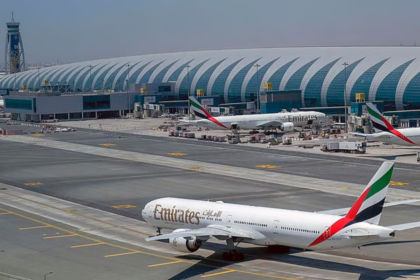
Growth was driven by partnerships with Parkonic, Dubai Mall, and Dubai Airports, where Salik now processes parking payments across Terminals 1, 2, 3, and the cargo terminal under a long-term agreement.
The company has also partnered with Valtrans across more than 100 UAE locations and has started implementing parking payment services at Dubai Harbour.
Another agreement with the Dubai Integrated Economic Zones Authority (DIEZ) will eventually cover more than 21,000 parking spaces across its free zones.
Expansion Beyond Toll Roads Continues
Salik is also building new revenue streams through electric vehicle charging and fuel payment services.
The company is working with Schneider Electric and Vcharge to develop EV charging solutions while partnering with ENOC to integrate fuel and service payments.
These initiatives form part of Salik’s broader strategy to evolve from a toll operator into a wider mobility and digital payment platform.
Outlook
Although regional events temporarily affected traffic and financial performance during the first half of 2026, Salik says June’s recovery signals improving road activity across Dubai.
With traffic returning close to normal levels, an expanding customer base, and growing non-toll revenue, the company appears well positioned for the remainder of the year as it continues broadening its mobility ecosystem beyond traditional road tolls.
Source: Gulf News