


Markets turned cautious as diplomatic momentum faltered and fears of renewed regional instability resurfaced.
Fresh hopes for de-escalation in the Gulf weakened sharply after President Donald Trump rejected Iran’s latest response to a US-backed ceasefire framework, pushing the fragile truce closer to renewed instability.
The rejection has reignited fears across global markets that the region could slide back toward military escalation, renewed shipping disruptions in the Strait of Hormuz, and another spike in oil prices.
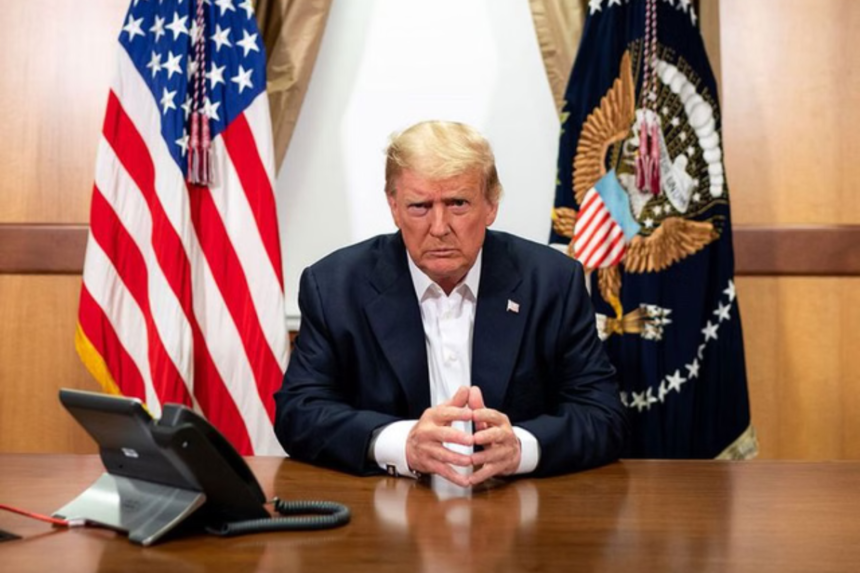
Trump described Tehran’s response as “totally unacceptable,” accusing Iran of “playing games” after the White House spent days waiting for a formal reply to a proposed framework aimed at ending the conflict and reopening maritime transit routes.
Iranian state media, meanwhile, portrayed the proposal differently. Tehran reportedly argued that Washington’s demands amounted to political surrender rather than balanced negotiations.
The result is a diplomatic deadlock that once again exposes how far apart both sides remain.
Why the Proposal Collapsed
According to reports from Iranian media, Tehran’s response focused heavily on wartime and economic guarantees before agreeing to major nuclear concessions.
Iran reportedly demanded:
. A complete end to military operations
. Immediate sanctions relief
. Release of frozen Iranian assets
. Removal of US naval pressure in the Gulf
. Recognition of Iran’s role in managing Hormuz security
The proposal also reportedly outlined a phased process beginning with a memorandum of understanding, followed by broader negotiations over 30 days.
Washington, however, was reportedly seeking clearer commitments tied directly to Iran’s nuclear activities, including uranium enrichment restrictions, international inspections, and maritime security guarantees.
That disagreement over sequencing remains the biggest obstacle.
The Core Problem Remains Unchanged
At the center of the crisis is a basic but unresolved question:
Who makes concessions first?
The US position has largely remained:
. Nuclear rollback first
. Sanctions relief later
Iran’s position remains the opposite:
. End economic pressure and military threats first
. Then negotiate a nuclear limit.s
That same dispute has repeatedly stalled negotiations over the past several months.
Gulf Tensions Are Rising Again
Even during the ceasefire period, signs of instability never fully disappeared.
Over the weekend:
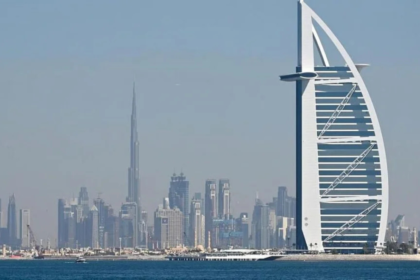
. The UAE reported intercepting two drones launched from Iran
. Kuwait reported drones entering its airspace
. A vessel near Qatar reportedly caught fire after a suspected drone strike.
Although no major casualties were reported, the incidents reinforced how fragile the current situation remains.
The Gulf has effectively entered a phase where diplomacy and escalation are unfolding simultaneously.
Why Hormuz Remains the Real Battlefield
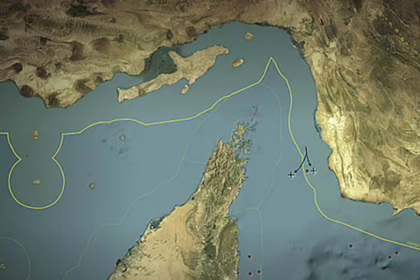
The Strait of Hormuz continues to sit at the center of the crisis.
Roughly one-fifth of global oil trade passes through the narrow waterway, making it one of the world’s most strategically important energy corridors.
Any disruption affects:
. Global oil prices
. Shipping costs
. LNG exports
. Supply chains
. Inflation pressures worldwide
Following Trump’s latest comments, Brent crude prices rose again as traders priced in renewed geopolitical risk.
Iran has increasingly used Hormuz as leverage throughout negotiations, linking unrestricted maritime access to sanctions relief and broader political guarantees.
That has changed the strategic balance significantly.
Before the conflict, freedom of navigation through Hormuz was largely treated as automatic. Now it has become one of the central negotiation points itself.
Military Pressure Is Still on the Table
Although Trump says diplomacy is still being given “every chance,” pressure is growing inside Washington for a tougher approach.
Some US officials and lawmakers are already pushing for expanded naval operations in the Gulf, including a revival of larger escort missions tied to shipping protection.
Meanwhile, US naval pressure around Iranian shipping routes remains active, with officials saying vessels linked to Iran have continued facing restrictions.
Iran has responded by warning that attacks on its shipping or tankers would trigger retaliation against US military assets in the region.
That leaves both sides publicly committed to diplomacy while simultaneously preparing for escalation.
Mediators Still Trying to Keep Talks Alive
Pakistan and Oman remain central intermediaries in the negotiations.
Both countries have hosted indirect and direct contacts between Washington and Tehran throughout the crisis. Diplomats say efforts are continuing behind the scenes to prevent a total collapse in talks.
Possible next steps reportedly include:
. Revised ceasefire proposals
. Temporary maritime agreements
. Confidence-building measures
. Extensions of negotiation windows
But trust between the two sides remains extremely weak.
Markets Are Watching Closely
Financial markets reacted cautiously after Trump rejected the proposal.
Investors are increasingly concerned that prolonged instability in the Gulf could:
. Push oil prices higher
. Increase inflation pressure globally
. Disrupt energy markets
. Weaken investor confidence
. Complicated central bank policy decision.s
The longer uncertainty continues, the greater the economic risk becomes, far beyond the Middle East itself.
Diplomacy or Escalation
For now, neither side appears ready to fully abandon negotiations.
But neither side appears willing to compromise on its core demands either.
That leaves the region suspended between diplomacy and confrontation.
With drone incidents returning, oil markets reacting nervously, and public rhetoric hardening again on both sides, the ceasefire increasingly looks less like a stable peace process and more like a temporary pause between phases of the conflict.
Trump gave few details, but his swift rejection suggested the gap between the two sides remains wide.
AFP file, with AP inputs