



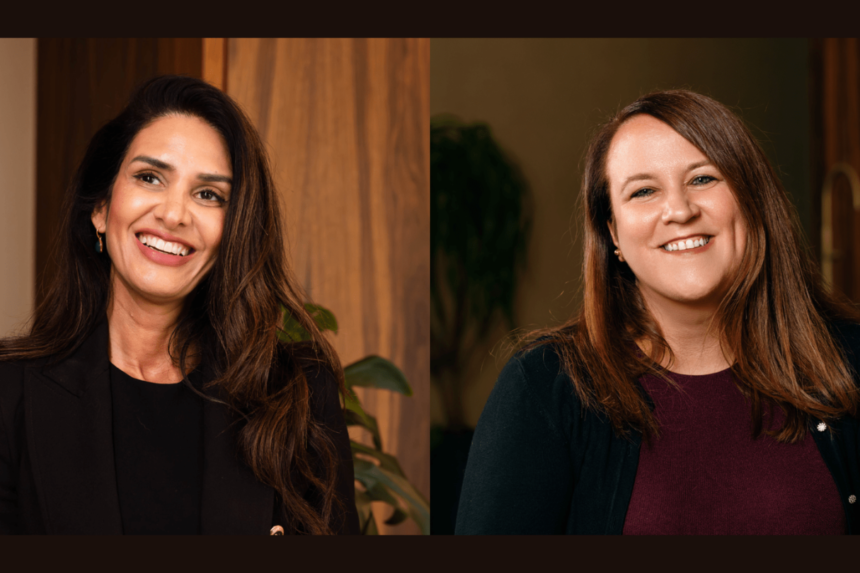
Dr. Samira Cutts and Mariska Stoffel have joined Eywa to help design homes that support better health, well-being, and longer lives.
As conversations around health, longevity, and wellness continue to evolve, attention is increasingly shifting beyond fitness routines and medical care toward the spaces where people spend most of their lives. Recognizing this growing trend, Eywa is bringing together experts in neuroscience and architecture to explore how thoughtful design can contribute to healthier, more balanced living.
Developed by European real estate company R.Evolution, Eywa is a regenerative luxury brand that combines biophilic design, neuroarchitecture, and wellness-focused technologies to create residential spaces designed around human well-being.
Bringing Science and Design Together
Eywa has announced that clinician-scientist Dr. Samira Cutts and architect Mariska Stoffel have joined its expanding network of experts contributing to the project’s research and thought leadership initiatives.
Together, they bring experience spanning neuroscience, rehabilitation medicine, cognitive health, architecture, and human-centered design.
Rather than simply promoting wellness as a lifestyle concept, the collaboration aims to explore how scientific research can influence the design of homes that support healthier living.
The initiative seeks to examine how environmental factors such as natural light, air quality, acoustics, greenery, and spatial planning affect sleep, stress levels, cognitive performance, recovery, and overall well-being.
A Shift in the Conversation Around Wellness
Alex Zagrebelny, Founder and Chief Executive Officer of R.Evolution, believes the conversation around health is entering a new phase.
“We have become incredibly conscious of what we put into our bodies, but we’re only beginning to understand the impact of the environments around us,” he said.
According to Zagrebelny, the future of wellness extends beyond hospitals, clinics, spas, and wearable technology. Instead, it increasingly begins inside homes, where people spend much of their daily lives.
He said the project aims to contribute to a broader discussion about how residential environments can actively support healthier lifestyles.
Understanding the Brain’s Relationship With the Built Environment
Dr. Samira Cutts has spent more than two decades studying how the brain responds to stress, recovery, and environmental influences.
Currently practicing at King’s College Hospital London in Dubai while pursuing a PhD at Maastricht University in the Netherlands, her research focuses on cognitive neuroscience and rehabilitation medicine.
She believes scientific evidence is beginning to provide measurable insights into how buildings influence human health.
“What excites me is that we’re moving beyond wellness as a concept and beginning to ask measurable questions,” she said.
Dr. Cutts pointed to growing research examining how natural daylight affects sleep quality, how green spaces influence stress, and how indoor air quality, acoustics, and environmental design contribute to cognitive performance and recovery.
Rather than making broad claims, she believes the opportunity lies in understanding these relationships through evidence-based research.
Designing Homes Around Human Experience
Mariska Stoffel, Director of Design and Development at R.Evolution, has worked on several landmark projects across the region, including the Museum of the Future and Marsa Al Arab.
She now leads the development of Eywa Tree of Life, a residential project designed around principles of wellness and sustainability.
For Stoffel, architecture has always been about far more than aesthetics.
“For me, architecture has never been just about how something looks. It’s about how a space makes you feel when you walk through the door, how it supports your daily routines, how it connects you to nature, and how it shapes your experience over time,” she said.
She also believes the definition of luxury is changing as homeowners increasingly seek environments that improve their quality of life rather than simply offering premium finishes.
“People still want beauty and craftsmanship, but increasingly they also want meaning. They want spaces that help them disconnect from noise, reconnect with themselves, and improve their quality of life,” she added.
Wellness at the Centre of Residential Design
Eywa incorporates biophilic design principles, environmental quality standards, sustainability practices, and wellness technologies into its residential developments.
Rather than treating wellness as an additional feature, the project seeks to make it a central element of architectural planning and everyday living.
The involvement of experts such as Dr. Cutts and Stoffel reflects the company’s broader effort to bridge scientific research with practical design solutions that can positively influence daily life.
Rethinking the Future of Homes
As research into longevity and preventive health continues to expand, developers and designers are increasingly asking whether homes should play a greater role in supporting physical and mental well-being.
Eywa believes residential spaces can become active contributors to healthier lifestyles by combining scientific understanding with thoughtful architecture.
By bringing together expertise from medicine, neuroscience, and design, the project aims to advance the conversation around how homes of the future can help people sleep better, recover more effectively, reduce stress, and improve overall quality of life.