


Global Ranking Highlights Dubai’s Urban Standards
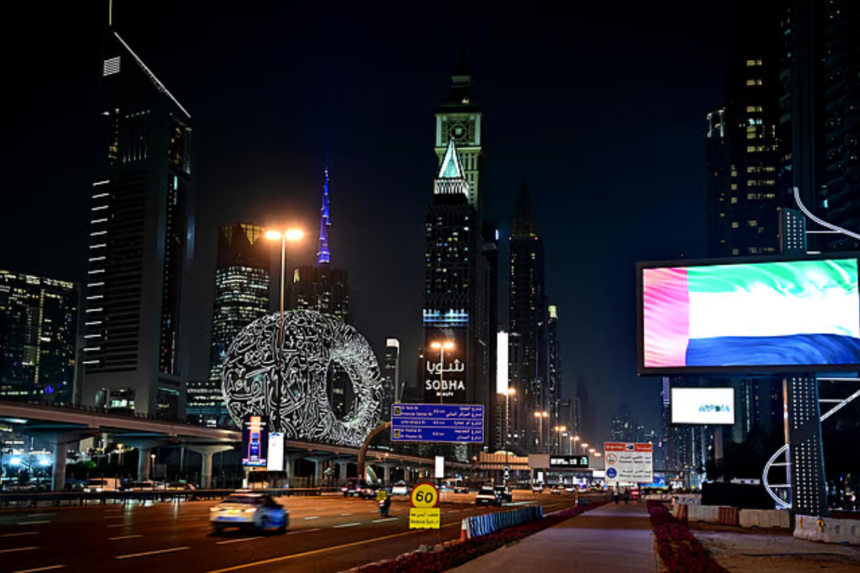
Dubai has retained its position as the world’s cleanest city for the sixth consecutive year. The ranking comes from the Global Power City Index, published by the Institute for Urban Strategies at the Mori Memorial Foundation in Japan.
The result reflects the emirate’s long-term focus on maintaining a healthy and sustainable urban environment. Authorities have made cleanliness and environmental management central pillars of city planning.
The recognition also strengthens Dubai’s global reputation as a highly liveable city for residents, businesses, and visitors.
Perfect Score for Cleanliness
Dubai received a 100 percent satisfaction score for city cleanliness under the Environment pillar of the Global Power City Index.
The index evaluates major cities around the world using more than 70 indicators. These indicators measure six key areas that influence urban competitiveness. They include quality of life, environment, economy, research and development, cultural interaction, and accessibility.
Dubai’s performance in the cleanliness category placed it ahead of many other global cities included in the study.
Municipality Leads Cleanliness Efforts
Dubai Municipality oversees the city’s sanitation and environmental management systems.
The authority operates large-scale cleanliness programmes that cover streets, public facilities, beaches, parks, and residential communities. These programmes help maintain public health while preserving the city’s appearance.
The municipality also works with the Steering Committee for Preserving the Urban Appearance of Dubai. The committee tracks performance through the Public Cleanliness Index, which measures cleanliness across public infrastructure according to international standards.
Waste Strategy Supports Sustainability Goals
Dubai’s sanitation efforts form part of the Dubai Integrated Waste Management Strategy 2041.
The strategy aims to reduce waste generation and divert all waste away from landfills. It also supports the shift toward a circular economy, where materials remain in use through recycling and reuse.
Authorities view these efforts as essential to long-term environmental sustainability.
Large Operational Network
Dubai Municipality maintains a round-the-clock sanitation system supported by a large operational workforce.
The system uses 785 specialised vehicles and more than 23,300 waste collection units placed across residential and public areas.
A team of 2,876 sanitation engineers manages daily operations. Another 280 supervisors and inspectors monitor field performance.
The network covers 2,400 kilometres of major roads, more than 1,400 kilometres of investment zones, and over 33 kilometres of canals. It also serves beaches, markets, residential districts, industrial areas, and desert locations.
Innovation Drives Waste Management
Dubai continues to expand its waste management infrastructure through new initiatives.
The Circle Dubai programme encourages residents and businesses to reduce waste and increase recycling participation.
The city also operates the Warsan Waste-to-Energy Centre, one of the largest facilities of its kind in the world. The plant converts waste into energy while reducing reliance on landfills.
Smart recycling centres and digital monitoring systems help authorities track cleanliness performance in real time.
A City Built on Clean Living
Dubai’s sixth consecutive recognition as the world’s cleanest city highlights the emirate’s integrated approach to urban management.
Clean streets, efficient waste systems, and strong community participation help maintain a high quality of life.
For city leaders, cleanliness remains more than a maintenance goal. It has become a defining feature of Dubai’s identity and a foundation for sustainable urban growth.
Read more news, and follow us on Instagram
Dubai. Source: Gulf News
AFP