


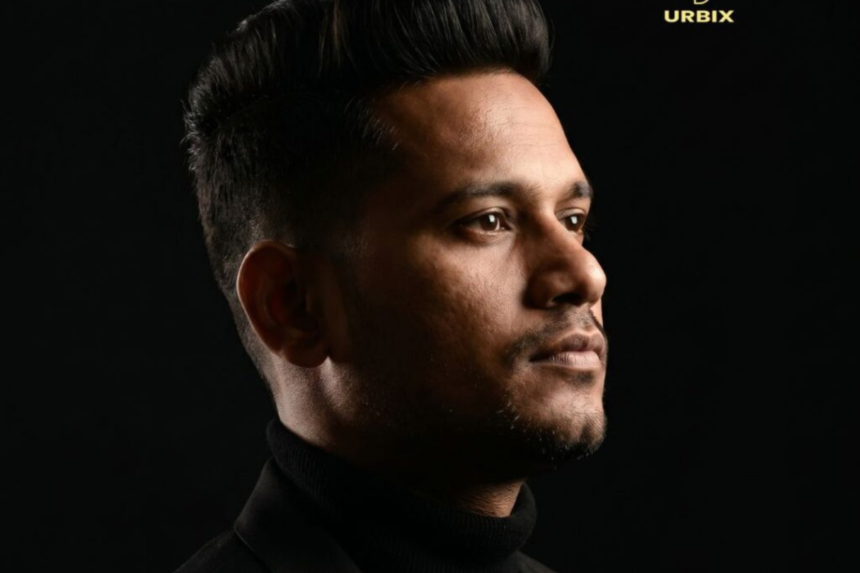
As urban living evolves, residents across Dubai are increasingly seeking personalised spaces that combine functionality with style.
Dubai’s rapidly changing urban landscape is fundamentally reshaping how people approach interior spaces. As the city continues to expand through new residential communities, commercial districts, and mixed-use developments, interior design is moving far beyond the role of a finishing touch. Instead, it is becoming an essential element in how modern spaces function, adapt, and deliver long-term value.
Across the emirate, demand is rising for interiors that strike a balance between aesthetics and practicality. Residents, businesses, and property developers are no longer focused solely on visually impressive spaces. They are actively prioritising environments that improve usability, maximise efficiency, and align with changing lifestyle expectations.
As a result, this shift is accelerating a broader move toward bespoke, process-driven interior design solutions throughout Dubai.
Design Is Becoming Central to Urban Living
As communities continue developing across areas such as Downtown Dubai, Dubai Marina, and Dubai Investments Park, interior planning is increasingly integrated into the overall real estate experience.
In many cases, interior design now directly influences property appeal, occupancy readiness, and long-term functionality. Developers and homeowners are paying closer attention to how layouts support modern routines, remote work, storage needs, and flexible living arrangements.
The focus has shifted from simply decorating a space to designing how people actually live and move within it.
This is particularly important in Dubai, where urban lifestyles are fast-paced, globally influenced, and constantly evolving.
Demand for End-to-End Solutions Is Rising
Industry professionals say clients are increasingly seeking structured, end-to-end interior solutions rather than fragmented or ad hoc styling services.
According to co-founders Nasre Alam and Deepak Chamola, who operate within Dubai’s interior design sector, customers now expect far greater clarity across planning, execution, and project management.
That demand includes detailed space planning, coordinated material selection, functionality-driven layouts, streamlined project delivery, and designs built for long-term adaptability.
This shift reflects a more mature market, where clients increasingly view interior design as a strategic investment that enhances both usability and long-term value, rather than simply a cosmetic upgrade.
Commercial Spaces Are Also Evolving
Moreover, the transformation extends far beyond residential interiors, as businesses across Dubai increasingly prioritise functional, experience-driven design.
Companies are actively redesigning office spaces to boost productivity, support hybrid work models, encourage collaboration, and enhance employee well-being.
At the same time, retailers are reshaping store layouts to deepen customer engagement and strengthen brand identity.
As a result, businesses now recognise that interior environments directly influence both operational efficiency and customer perception. With competition intensifying across hospitality, retail, and corporate sectors, companies no longer treat interior design as a final aesthetic touch. Instead, they are making it a central part of a broader business strategy.
Sustainability and Smart Space Planning
Another major force shaping Dubai’s interior design trends is sustainability.
As urban density rises and real estate costs climb, both designers and clients are actively prioritising smarter space utilisation. Consequently, firms are embracing multifunctional layouts, selecting durable materials, maximising natural lighting, integrating energy-efficient solutions, and creating interiors that offer long-term flexibility.
Importantly, this transition aligns closely with Dubai’s broader push for smarter urban development and future-focused infrastructure planning. Rather than chasing visually striking but short-lived trends, clients are increasingly investing in interiors built for longevity, adaptability, and lasting functionality.
Dubai Investments Park Emerges as a Growing Design Hub
Meanwhile, Dubai Investments Park is rapidly gaining momentum as a key centre for the design and fit-out sector.
Thanks to its mix of industrial, commercial, and residential developments, the district is steadily establishing itself as a strategic base for interior design firms managing projects across the city.
At the same time, business hubs such as Arenco Offices are attracting more companies focused on design execution, manufacturing coordination, and project management services linked to Dubai’s expanding property market.
A Reflection of Changing Lifestyles
More broadly, the growing demand for bespoke interiors reflects a deeper shift in how people across Dubai view personal and professional spaces.
Homes are no longer designed solely for living; they now function as remote workspaces, social hubs, wellness-focused retreats, and entertainment environments.
Meanwhile, commercial interiors are evolving beyond basic operational requirements. Businesses now expect these spaces to foster collaboration, support flexibility, and strengthen brand storytelling.
As a result, interior design is increasingly serving as the bridge between architecture and lived experience, shaping spaces around how people actually work, connect, and live.
The Sector’s Growth Outlook
Looking ahead, industry observers expect Dubai’s interior design sector to expand alongside the emirate’s continued real estate growth and population increase.
As Dubai strengthens its standing as a global hub for business, tourism, luxury living, and innovation, demand for refined and adaptable interior environments is likely to remain strong.
However, the next phase of growth will shift away from excess and toward intelligent design, prioritising spaces that work efficiently, layouts that evolve, and interiors that balance comfort with practicality while reflecting the changing rhythm of urban life.
In this context, interior design is no longer operating on the sidelines of real estate development. It is increasingly emerging as one of the defining elements shaping the future of how Dubai lives, works, and grows.
Source: UAE Stories
Read more news, and follow us on Instagram