


Selective internet access is turning connectivity into a symbol of privilege, deepening inequality and public frustration across Iran.
Iran’s internet restrictions are no longer being viewed only as a censorship policy. Increasingly, they are becoming a symbol of inequality itself.
More than two months into one of the longest nationwide internet shutdowns imposed in a digitally connected society, frustration inside Iran is growing rapidly. While millions of ordinary citizens struggle with blocked platforms, expensive VPNs, collapsing online businesses, and limited communication, a smaller group now reportedly enjoys access to a less restricted system called “Internet Pro.”
The result is creating what critics describe as a two-tier digital society, where internet access is increasingly tied to privilege, institutional approval, and political proximity.
A Country Split by Connectivity
The restrictions intensified after anti-government protests earlier this year and tightened further following US-Israeli strikes on February 28. Since then, internet access across Iran has become heavily controlled, disrupting communication, business activity, education, and daily life for millions.
But public anger escalated further when reports emerged about Internet Pro, a restricted-access system allegedly offering faster and less filtered internet access to approved users.
The program, reportedly launched through the Mobile Communications Company of Iran (MCI), is said to be available to selected professionals, academics, researchers, and business figures.
For many Iranians, the issue is no longer simply censorship. It is unequal access.
The perception that some groups can move freely online while others remain digitally isolated has intensified public resentment during an already difficult economic period.
The Economic Damage Is Growing
The internet blackout is also carrying severe economic consequences.
Iran’s digital economy has slowed sharply as online businesses lose access to customers, advertising channels, payment systems, and international communication tools.
Human rights groups and business organizations estimate that the restrictions have already caused billions of dollars in economic losses.
Some estimates linked to the shutdown include:
. Over 70 days of disruption.
. Roughly $80 million in daily digital economy losses.
. More than one million direct job losses.
. Millions more are affected indirectly through shrinking economic activity.
For freelancers, online sellers, startups, and remote workers, internet access is no longer a convenience. It is infrastructure.
Without stable connectivity, many small businesses have effectively stopped functioning.
VPN Costs and Black Markets
As restrictions tightened, VPN prices surged across Iran, creating a growing underground market around internet access itself.
Many Iranians now spend significant portions of their income trying to bypass restrictions simply to communicate, access information, or continue working online.
Others have reportedly turned to illegal Starlink satellite systems smuggled into the country despite the risk of arrest or prosecution.
This has created a strange reality inside Iran:
. Unrestricted internet access increasingly exists, but mainly through expensive or privileged channels. Critics argue this effectively monetizes access to information while deepening social frustration.
Why the Backlash Is Intensifying
The controversy around Internet Pro has exposed growing tensions even within Iran’s political establishment.
Some officials have defended the restrictions as necessary for cybersecurity and national security protection during wartime conditions. Others, including figures linked to President Masoud Pezeshkian’s administration, have publicly described unequal internet access as unfair.
That internal disagreement reflects a larger issue.
Iran’s leadership is attempting to project national unity during a period of regional confrontation with the US and Israel. But the internet restrictions are instead highlighting divisions between:
. connected elites and ordinary citizens
. state-backed platforms and independent businesses. privileged access and restricted access
The internet has effectively become a visible marker of power and exclusion.
A Shift Beyond Traditional Censorship
Iran has long maintained one of the world’s most heavily controlled internet systems. But analysts say the current situation represents something different.
The debate is no longer only about blocking platforms or restricting content.
It is increasingly about who is allowed to participate fully in modern digital life.
Lawyers, labor groups, psychologists, and activists inside Iran have warned that unequal access risks creating deeper feelings of marginalization and distrust across society.
At a time when inflation, unemployment, sanctions, and regional conflict are already pressuring households, the perception of a protected “internet elite” is becoming politically explosive.
The Bigger Problem for Iran
The longer the restrictions continue, the more difficult the long-term damage may become to reverse.
Internet shutdowns not only isolate societies externally. Over time, they also weaken internal economic resilience, innovation capacity, startup ecosystems, and public trust.
Iran’s young population remains highly connected digitally, highly educated, and deeply integrated into online communication culture. Restricting that ecosystem too aggressively risks accelerating:
. economic stagnation
. talent migration
. digital isolation
. public frustration
. distrust toward institutions
For many Iranians, the internet shutdown is no longer seen as a temporary security measure but as a growing symbol of inequality, reflecting who has access to opportunity and who is left without it.
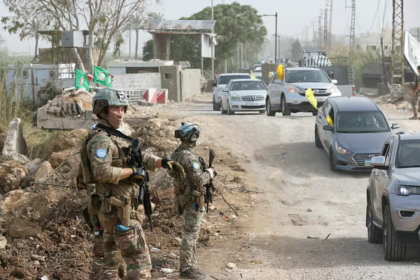
The restrictions, imposed after anti-government protests in January and tightened further following US-Israeli strikes on February 28, have become the longest nationwide internet shutdown recorded in a connected society. Illustrative image.
Gulf News