


From regional security updates to travel, oil prices, and shipping through the Strait of Hormuz, here’s what UAE residents should know today.
Fresh military exchanges between the United States and Iran, attacks on commercial shipping, and continued air travel disruptions are keeping the Strait of Hormuz at the center of global attention. Here’s what UAE residents need to know today.
The conflict between the United States and Iran intensified on Tuesday, with both sides launching fresh military operations as tensions across the Gulf continued to rise.
Iran claimed it targeted US military facilities in Bahrain and Kuwait, while the United States carried out another round of strikes on Iranian military infrastructure. At the same time, commercial shipping near the Strait of Hormuz came under renewed attack, highlighting the ongoing risks facing one of the world’s most important maritime trade routes.
Dubai Airports Operating Near Full Capacity
For travellers in the UAE, the situation has improved compared with the early stages of the conflict.
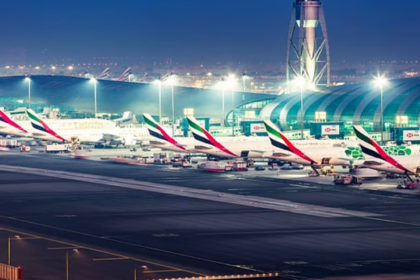
Dubai International Airport (DXB) is operating at or near full capacity after restoring most services affected by earlier missile threats, temporary airspace closures, and flight rerouting. UAE-based airlines continue operating extensive schedules, although some international carriers are still reviewing their Middle East operations.
However, passengers should continue checking their flight status before travelling, as operational changes remain possible depending on regional developments.
Iran Claims Strikes on US Military Bases
Iran’s Islamic Revolutionary Guard Corps (IRGC) said it launched attacks targeting US military facilities in Bahrain and Kuwait, widening the geographical scope of the conflict.
While independent confirmation of the reported damage remains limited, the claims underline the growing risk of further regional escalation involving countries that host American military installations.
Commercial Shipping Remains Under Pressure
Maritime security continues to deteriorate.
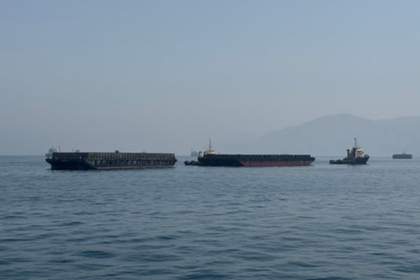
Two commercial tankers operating near the Strait of Hormuz reportedly came under attack off the coast of Oman, reinforcing concerns that merchant vessels remain vulnerable despite increased international naval patrols.
The latest incidents follow previous attacks that have disrupted shipping through one of the world’s busiest energy corridors.
Gulf Countries Continue to Face Risks
Although Gulf nations are not direct participants in the conflict, they remain exposed because they host major US military facilities and operate some of the world’s busiest ports and airports.
Any prolonged disruption to the Strait of Hormuz could affect regional trade, aviation, logistics, and energy markets.
Qatar Begins Easing Maritime Restrictions
One positive development has emerged from Qatar, where authorities have reportedly started lifting some maritime restrictions in coastal waters.
The move suggests a cautious effort to restore commercial activity where security conditions permit, although broader regional risks remain elevated.
Airlines Continue Monitoring the Situation
Several international airlines continue facing higher war-risk insurance costs and are operating longer routes to avoid conflict zones.
Meanwhile, Emirates, flydubai, and other UAE carriers continue serving most destinations using revised flight paths where necessary.
Passengers should continue monitoring airline advisories, as schedules may change with little notice.
Why the Strait of Hormuz Matters
The Strait of Hormuz remains the world’s most important oil transit route, carrying roughly one-fifth of global oil supplies under normal conditions.
Every new attack raises concerns about:
- Rising global oil prices
- Higher shipping insurance costs
- Cargo delays
- Supply chain disruptions
- Inflation
- Energy security across Asia and Europe
Even with increased naval protection, recent attacks demonstrate that commercial shipping remains exposed to significant risks.
What UAE Residents Should Watch
The coming days are likely to be shaped by several key developments:
- Whether reported attacks on US military facilities trigger a broader American response.
- Additional security advisories for ships transiting the Strait of Hormuz.
- Further airline suspensions or route changes.
- Oil price movements and their impact on transport and consumer costs.
- Updates from UAE authorities regarding aviation, travel, and public safety.
While daily life in the UAE continues largely as normal, the evolving situation around the Strait of Hormuz remains one of the region’s most closely watched security and economic developments.
Source: Gulf News
Read more news and follow us on Instagram
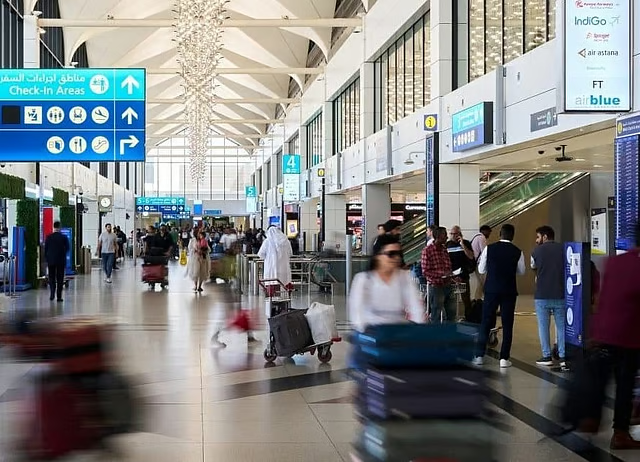
Passengers at the departures area of Dubai International Airport.
Dubai Airports