


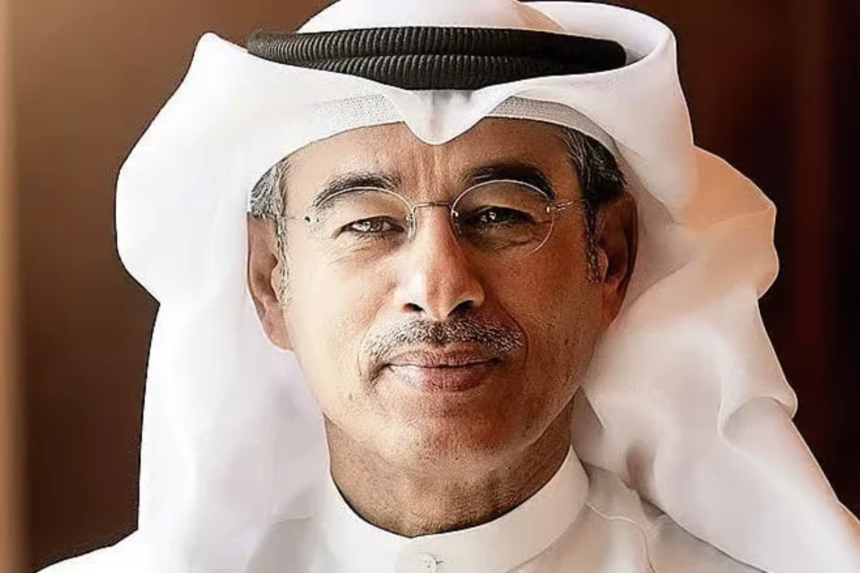
Emaar founder Mohamed Alabbar says successful real estate projects should create communities and experiences that people want to live in, not simply add more buildings.
Real estate development should be about creating communities and experiences, not simply putting up buildings, according to Emaar Properties founder Mohamed Alabbar.
Speaking during a conversation titled The Life Between the Dynamics, Alabbar said successful developments need to create places where people can live, connect and enjoy everyday experiences. Iconic buildings can give cities recognisable landmarks, he said, but the spaces and activities around them ultimately shape how people experience a destination.
“I think a lot of cities are beautiful, but they are recognised by something big, gorgeous, that people can get together and somehow associate their cities,” Alabbar said.
The Life Between the Buildings
Alabbar said developers need to pay attention to what happens between buildings, including public spaces, retail, entertainment and community facilities.
He argued that a development should begin creating experiences before construction is fully complete. Public areas can be opened early for walking, running, children’s activities, food, art and music, allowing people to experience the community as it takes shape.
The objective, he said, is to create places where people want to spend time rather than simply completing a collection of buildings.
“A business is how to create life,” Alabbar said, comparing a developer’s role to that of a conductor bringing different elements together to create a harmonious result.
Developing Al Ain Without Losing Its Identity
Alabbar also discussed the challenges of developing an established city such as Al Ain, where a strong cultural and natural identity already exists.
Unlike a new development built from scratch, projects in established communities require developers to understand what is already there. Alabbar said this begins with listening to residents and respecting the character of the place.
“You listen to the community,” he said.
For Alabbar, that means considering local culture, the existing environment and the identity of a destination before introducing new development.
Balancing Returns With Community Needs
Creating communities also requires developers to balance commercial expectations with the interests of residents and surrounding areas.
Alabbar acknowledged that shareholders expect financial returns, but said developers also have a responsibility to consider the long-term value their projects create for communities.
“You have to really have a heart for it and then take care of them,” he said.
He also stressed the importance of maintaining developments and respecting the surrounding environment after projects are completed.
Technology Should Make Places More Liveable
Technology, Alabbar said, should serve a practical purpose rather than being adopted simply because it is available.
“I want it to really enhance our performance, to make it more efficient,” he said.
He pointed to areas such as water management and air-conditioning, where technology could help developments reuse resources and reduce waste.
Artificial intelligence is also changing planning and design processes, Alabbar said. Tasks that once took weeks can now be completed in hours, allowing developers to explore and visualise potential designs much faster.
While technology may change how communities are planned and managed, he said the underlying purpose remains the same: creating places that work for the people who use them.
From Landmarks to Living Communities
For Alabbar, iconic architecture still has an important role. Landmarks can give cities a recognisable identity and become gathering points for residents and visitors.
But a successful development ultimately depends on everything surrounding those landmarks.
Public spaces, cultural activities, retail, entertainment, technology and community facilities all contribute to whether people choose to spend time in a place.
His broader message is straightforward. Real estate is not finished when the buildings are completed. The real measure of a development is the life that develops around it.
Mohamed Alabbar, founder of Emaar Properties
Source: KT