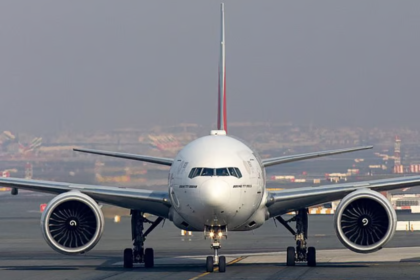




Get the latest on US-Iran talks, Strait of Hormuz developments, flight schedules, and travel advisories affecting UAE residents.
Diplomatic efforts to ease tensions between the United States and Iran gathered momentum on Tuesday, offering cautious optimism after weeks of heightened uncertainty across the Middle East. While most flights through the UAE continue to operate normally, several regional routes remain suspended, and authorities continue to advise travelers to check their flight status before heading to the airport.
Here’s what UAE residents need to know today.
Qatar Pushes to Revive US-Iran Diplomacy
Qatar, which has been mediating between Washington and Tehran, said its immediate priority is to prevent further military escalation and to help reopen the Strait of Hormuz through diplomacy.
Foreign Ministry spokesperson Majed Al Ansari said current discussions are focused on creating conditions that would allow broader negotiations to resume. Although direct talks between the United States and Iran are not currently scheduled, mediation efforts remain active.
Meanwhile, US Treasury Secretary Scott Bessent told CNBC that an agreement to reopen the Strait of Hormuz could be reached “today or tomorrow.” He said any arrangement would guarantee freedom of navigation rather than allowing Iran to impose transit fees on commercial vessels.
Iran is also pursuing separate discussions with Oman regarding future shipping arrangements in the strait. Iranian Foreign Ministry spokesperson Esmaeil Baqaei said Tehran is exploring a proposal to replace the current northbound and southbound shipping lanes with a single two-way maritime corridor. Oman has not officially commented on the proposal.
Mixed Signals From Tehran
Despite diplomatic progress, tensions remain.
Mohsen Rezaei, a senior military adviser to Iran’s Supreme Leader, warned that Tehran would respond to what it described as unauthorized shipping routes through the Strait of Hormuz, accusing Washington of violating previous understandings following last month’s US naval blockade.
Iranian President Masoud Pezeshkian, however, adopted a more measured tone, saying Iran does not seek a broader conflict but would defend its territorial interests if necessary.
Cargo Ship Attacked in the Strait of Hormuz
Security concerns remain after a commercial cargo vessel came under attack overnight.
The UK Maritime Trade Operations (UKMTO) reported that an unidentified projectile struck a cargo ship around 20 nautical miles northeast of Al Khasab, Oman.
British maritime security company Vanguard Tech identified the vessel as the Liberia-flagged bulk carrier MINOAN PIONEER. The projectile reportedly hit the engine room, sparking a fire onboard. While crew members continue firefighting efforts, one engineer remains missing.
Despite the incident, shipping data cited by Reuters indicates commercial traffic through both the Strait of Hormuz and Bab al-Mandeb has remained broadly stable.
UAE Flights Continue, But Regional Routes Face Disruptions
Air travel across the UAE remains largely operational, although several airlines continue to suspend services to destinations affected by regional security concerns.
Emirates has cancelled flights from Dubai to Dammam, Bahrain, and Kuwait.
Etihad Airways continues to suspend services between Abu Dhabi and Kuwait, while flights to Bahrain also remain cancelled.
flydubai has suspended its Dubai-Bahrain service.
Air Arabia continues to pause selected routes from Sharjah and Abu Dhabi, including Bahrain, Kuwait, Doha, and Abha.
Several international airlines have also adjusted their schedules.
Lufthansa Group has suspended flights to Dubai, Abu Dhabi, and other Gulf destinations until October 24. Air France continues to suspend Dubai and Beirut services until August 18. Singapore Airlines, Cathay Pacific, Air Canada, Finnair, and ITA Airways have also paused Dubai operations until further notice.
Turkish Airlines has resumed flights to Dubai and Abu Dhabi but continues to suspend operations to Iran.
British Airways is allowing flexible rebooking for eligible Middle East bookings through October 31.
Travel Advisories Remain in Place
The European Union Aviation Safety Agency (EASA) has extended its advisory recommending that EU airlines avoid operating through the airspace of the UAE, Bahrain, Kuwait, Qatar, and parts of the Gulf of Oman until August 31.
The US State Department continues to maintain its worldwide travel caution, while the UK’s Foreign Office advises travelers to monitor official government guidance before departure.
What UAE Residents Should Do
Although airports across the UAE continue to function normally, travelers should remain cautious as the regional situation evolves.
Before traveling:
- Check your airline’s latest flight status before leaving home.
- Monitor official announcements from UAE authorities.
- Allow additional travel time for airport procedures.
- Follow airline notifications regarding schedule changes.
- Stay updated on official travel advisories for your destination.
While diplomatic efforts appear to be gaining momentum, the security situation remains fluid, making regular travel updates essential for anyone flying to or through the region.
Source: Gulf News