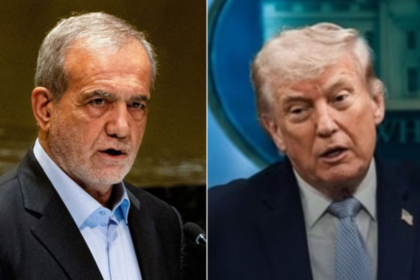



The latest US approach reflects a balance between military objectives and efforts to keep diplomatic channels open.
After nearly two weeks of sustained airstrikes, the United States has paused its military campaign against Iran, raising questions about whether Washington is shifting toward diplomacy or simply recalibrating its strategy.
The temporary halt does not signal an end to the conflict. Instead, it reflects a combination of military constraints, diplomatic efforts, and political considerations that have made further escalation more complicated.
Why the US Has Paused Airstrikes
The decision to slow military operations appears to be driven by practical concerns rather than a change in strategic goals.
According to reports from The New York Times and The Associated Press, senior US military officials warned that expanding the campaign could significantly reduce stocks of Patriot interceptor missiles and other air defence systems needed to protect American forces across the Middle East.
The concern intensified after Iranian missile attacks penetrated US defences, killing three American soldiers in Jordan. Every new strike on Iran increases the risk of further retaliation against US military bases across the region, placing greater pressure on already stretched defensive resources.
Rather than expanding the conflict immediately, Washington appears to be preserving its military capabilities while reassessing the next phase of the campaign.
Diplomacy Has Regained Momentum
At the same time military operations slowed, diplomatic efforts accelerated.
Regional mediators have renewed talks aimed at preventing a wider conflict, while Iran has continued technical discussions with Oman regarding navigation through the Strait of Hormuz.
President Donald Trump has continued to emphasise both military and diplomatic options.
Speaking to reporters, Trump said the United States could continue military action or pursue negotiations, adding that discussions with Iran were ongoing.
The approach suggests Washington is attempting to maintain pressure while leaving room for a negotiated outcome.
Military Pressure Still Remains
Although bombing has paused, the broader military posture has not changed.
The United States continues to maintain additional forces across the Middle East, while Iran has kept pressure on regional shipping routes and continues supporting allied groups operating across the region.
The Strait of Hormuz remains a central point of tension, with both sides maintaining conflicting positions over freedom of navigation and regional security.
The Houthis have also continued activities around the Red Sea, increasing concerns about disruptions to global shipping beyond the Gulf.
Political and Economic Factors
The conflict has become increasingly expensive for Washington.
Beyond military costs, higher oil prices and fuel costs have become domestic political issues. Brent crude has remained elevated as markets monitor developments around the Strait of Hormuz and other regional shipping lanes.
A prolonged military campaign would require additional funding while increasing the risk of wider regional instability.
Some advisers reportedly favour maintaining economic sanctions and diplomatic pressure instead of immediately expanding military operations.
Challenges to Any Breakthrough
Despite renewed diplomatic contacts, major obstacles remain.
Iran continues to insist on conditions relating to shipping and regional security that Washington has rejected. Internal political divisions within Tehran also make compromise more difficult.
Analysts note that both governments are attempting to improve their negotiating positions rather than making significant concessions.
As long as military forces remain deployed and regional tensions persist, any pause in fighting remains fragile.
Netanyahu’s Visit May Influence the Next Phase
Another important factor will be Israeli Prime Minister Benjamin Netanyahu’s planned visit to Washington.
The discussions could shape future US policy towards Iran and determine whether the current pause develops into sustained diplomacy or gives way to another round of military action.
A Pause, Not a Resolution
The absence of airstrikes should not be interpreted as the end of the crisis.
Instead, the current pause reflects a strategic recalculation. Military operations have slowed because of logistical pressures, growing economic costs, and renewed diplomatic opportunities, but none of the underlying disagreements between Washington and Tehran have been resolved.
For now, the United States appears to be balancing military deterrence with diplomatic engagement while preparing for whatever direction the conflict takes next.
Source: Gulf News
Read more news and follow us on Instagram
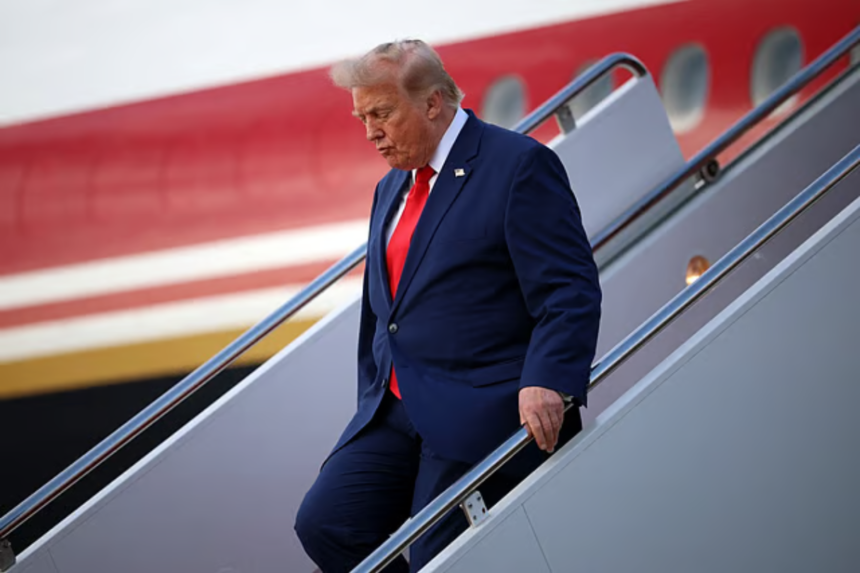
President Donald Trump walks off Air Force One on July 22, 2026, at Joint Base Andrews, Maryland.
AFP