


US and Iranian officials resumed indirect talks in New York as oil prices eased and new US sanctions on Iran’s aviation sector began affecting flights and services.
The US-Iran conflict has entered a new diplomatic phase after American and Iranian officials held their first indirect talks in months on the sidelines of the United Nations General Assembly in New York.
US President Donald Trump said there was “a lot of momentum” towards a possible agreement after the discussions. Iran, however, said its conditions for ending the war remained unchanged.
At the same time, new US sanctions targeting Iran’s aviation sector have begun affecting flights and services, while oil prices have eased towards two-week lows as markets respond to signs of renewed diplomacy.
For UAE residents, the main developments to watch on Wednesday, September 23, are the renewed US-Iran negotiations, restrictions around the Strait of Hormuz, aviation sanctions and continuing flight disruptions across the region.
First US-Iran talks in months raise hopes of a deal
Iranian Foreign Minister Abbas Araghchi and US envoys Steve Witkoff and Jared Kushner communicated through mediators in New York in the first significant indirect talks between the two sides in months.
Witkoff said the discussions had been completed and described them as constructive and promising. Trump later said there was “a lot of momentum” towards a deal.
Iran confirmed that contact had taken place but stressed that the discussions were indirect and conducted through mediators.
Tehran has continued to demand an end to fighting and what it describes as US aggression, while also linking any wider settlement to issues including the naval blockade and the reopening of the Strait of Hormuz.
So far, neither side has announced a fundamental change in its negotiating position.
That leaves the talks as an important diplomatic opening, but not yet a confirmed breakthrough.
Trump combines diplomacy with warnings of further military action
The talks followed Trump’s address to the UN General Assembly, where he presented Tehran with a choice between reaching an agreement and facing further military pressure.
His comments initially raised concerns that diplomacy could take longer to produce results. Oil prices also moved higher after Trump suggested that a peace deal might not come until after the US midterm elections.
His later comments about the New York discussions were more optimistic.
Iranian President Masoud Pezeshkian, who is also in New York for the UN General Assembly, has continued to reject the idea of Tehran surrendering while maintaining that diplomacy remains possible.
The contrasting messages underline the gap that remains between Washington and Tehran.
US aviation sanctions begin to affect Iranian flights
New US restrictions targeting Iran’s aviation sector are now taking effect, adding another layer of economic pressure on Tehran.
The US Treasury announced 36 sanctions targets on September 8, including 27 Iranian airlines, as part of its broader campaign against Iran’s aviation sector. Treasury also warned foreign companies supporting sanctioned Iranian airlines that they could face consequences under US sanctions.
The impact is already becoming visible.
Iranian aviation authorities said flights between Tehran and Baghdad and Tehran and Muscat would be cancelled, while discussions were under way over alternative arrangements for Baghdad-bound services. Other international routes, including Istanbul, were reported to be continuing.
The restrictions are particularly significant because Iranian airlines rely on foreign airports and service providers for fuel, ground handling, aircraft support and other aviation services.
Strait of Hormuz remains a major pressure point.
The Strait of Hormuz continues to be one of the biggest unresolved issues in the conflict.
Shipping activity remains far below normal levels. Reuters reported that only two commodity vessels crossed the strait on Monday, compared with a pre-conflict average of about 125 large commercial ships a day. Tracking data may not capture vessels that switch off their transponders.
Iran has indicated that it could reopen the waterway more fully if the US reduces military pressure and lifts its blockade on Iranian ports.
A senior Iranian official said Tehran could reopen the strait within a week if those conditions were met.
The US and its partners, meanwhile, continue to focus on maintaining freedom of navigation through the strategically important waterway.
Any meaningful improvement in shipping traffic would have immediate implications for oil supplies, freight costs and regional trade.
Oil prices fall as markets watch diplomacy.
Oil prices have eased as traders assess the possibility of improved supply flows and renewed negotiations between Washington and Tehran.
Brent crude had moved below $100 a barrel earlier in the week, after remaining above that level during much of the conflict. Reuters reported that Saudi Arabia had restarted its East-West pipeline and increased crude movements through the Gulf.
The increased flows have helped reduce some immediate supply concerns.
However, the market remains highly sensitive to developments around Hormuz. A renewed escalation or further disruption to tanker traffic could quickly put upward pressure on crude prices.
For now, the diplomatic contact in New York has given traders another factor to watch alongside physical oil flows.
UAE flights: Delays and cancellations continue
UAE travellers are still facing a mix of delays and cancellations across Dubai, Abu Dhabi and Sharjah.
Flight information on Wednesday showed disruptions affecting services involving India, Iran, Oman, Saudi Arabia and several other destinations. Some flights from Dubai to India were delayed by several hours, while individual Emirates, Etihad, flydubai and other services were also affected.
At Dubai World Central, flights involving Tehran were among those cancelled.
Abu Dhabi also saw changes, including cancellations affecting Oman Air services to and from Muscat. Sharjah recorded several Air Arabia cancellations involving Kuwait, Bahrain, Doha and Gassim.
Not every flight disruption is directly linked to the Iran conflict, but regional airspace restrictions, security considerations and the new aviation sanctions are adding uncertainty to schedules.
Passengers should check their individual flight status directly with their airline before leaving for the airport.
What UAE residents should watch this evening
The biggest question is whether the renewed US-Iran contact in New York develops into sustained negotiations.
The first indirect talks in months and Trump’s more optimistic comments have raised expectations of further diplomacy, but neither side has publicly announced a major concession.
The Strait of Hormuz will be another critical indicator. Any sustained increase in commercial shipping could ease pressure on global oil markets and regional supply chains. A renewed disruption could have the opposite effect.
The impact of the new US aviation sanctions is also likely to become clearer in the coming days, particularly as Iranian airlines depend on services and infrastructure outside Iran.
For UAE travellers, flight schedules remain subject to change.
And for energy markets, oil prices near the $100 mark remain one of the clearest indicators of how investors are assessing the balance between renewed diplomacy and the risk of further escalation.
Read more news and follow us on Instagram.
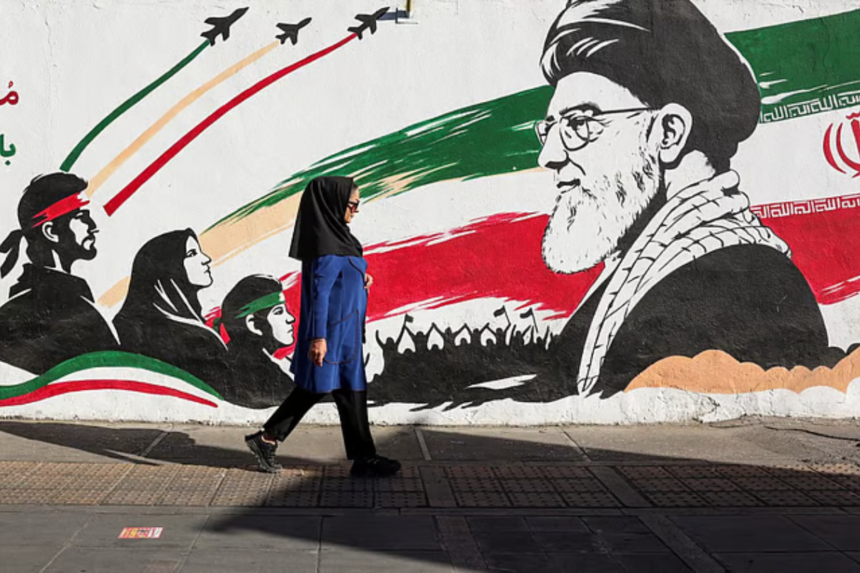
Iran maintains its demands as Baghdad and Muscat flights are hit by new US restrictions.
AFP/ Gulf News