


UAE residents are advised to monitor regional developments, confirm flight status with airlines, and follow official guidance as the security situation remains uncertain.
Dubai: UAE residents face continued travel disruption and regional security uncertainty on Thursday, October 29, as tensions involving Iran, the United States, and Israel remain high. Fresh developments include reported preparations for possible US strikes on Iran, conflicting accounts over diplomatic efforts, and renewed concerns about shipping through the Strait of Hormuz.
Airlines are adjusting schedules across the region, particularly on routes to Saudi Arabia, while Dubai International Airport has reported a recovery in operating capacity. Meanwhile, the United States has disputed Iran’s account of oil tankers striking mines in the Strait of Hormuz, adding another point of disagreement as diplomatic efforts continue.
No final decision on new US strikes against Iran or a confirmed peace agreement has been announced in the reports reviewed for this update. Here are the key developments UAE residents need to know.
1. US and Israel Reportedly Prepare for Possible Strikes on Iran
The United States and Israel are reportedly preparing for a possible week-long military campaign against Iran after the November 3 US midterm elections. Potential targets could include Iranian leaders, nuclear facilities, energy installations, and critical infrastructure.
However, US President Donald Trump has not announced a final decision to launch new strikes. US officials have reportedly warned regional allies to prepare for possible military action and potential Iranian retaliation, according to diplomats cited in media reports.
A separate report said US forces could be ready to begin major operations within 96 hours of receiving an order. Operational readiness does not mean an attack has been authorized or scheduled.
Gulf countries are continuing diplomatic efforts to prevent further escalation. The UAE has called for restraint and political solutions, while Saudi Arabia has reportedly urged Washington to give negotiations more time. Qatar is also involved in efforts to reach an agreement between Tehran and the Trump administration.
2. US Military Rejects Iran’s Account of Tanker Incidents in the Strait of Hormuz
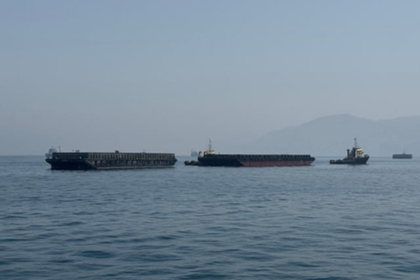
Iran’s Islamic Revolutionary Guard Corps (IRGC) claimed that three oil tankers caught fire after striking mines while attempting to cross the Strait of Hormuz. The IRGC said the vessels had ignored warnings from its navy and used a route it described as unauthorized.
However, US Central Command rejected the IRGC’s account, saying internationally recognized primary transit lanes had been cleared and that thousands of vessels had passed through safely.
The competing statements leave uncertainty over the circumstances surrounding the reported tanker fires. The available reports did not immediately establish when the incidents occurred or the countries where the vessels were registered.
The Strait of Hormuz remains a key shipping route for international oil supplies. Any security incident or restriction affecting passage could have consequences for commercial shipping, energy markets, and regional transport. However, the reported incidents do not establish that all shipping through the strait has stopped.
3. Iran Says Mediators Are Discussing a Plan to End the War
Iranian Foreign Minister Abbas Araghchi reportedly said Tehran remained in contact with mediators over a proposed seven-day plan to end the war and reopen the Strait of Hormuz, potentially on a faster timetable.
However, accounts of the diplomatic process remain conflicting. A senior Iranian official told Reuters that proposals put forward by Qatar were unacceptable and did not constitute a formal offer, contradicting other reports describing a draft agreement.
Saudi, Pakistani, Turkish, and Iranian officials have also reportedly agreed to continue dialogue.
The issues remain substantial, including Iran’s nuclear program, sanctions, maritime passage, and regional security. As of the latest reports reviewed, diplomatic contacts had not produced a confirmed agreement to end the conflict.
4. Saudi Arabia Intercepts Houthi Missile as Aden Airport Faces Attacks
The Saudi-led coalition fighting Yemen’s Houthis said its air defenses intercepted and destroyed a ballistic missile launched towards Saudi Arabia’s Eastern Province early on Thursday.
Separately, Yemeni government officials reported that missile attacks on Aden Airport on Wednesday caused civilian injuries and damage, disrupting air traffic.
The incidents add to concerns about aviation safety in the region, particularly for passengers travelling to Saudi Arabia or destinations connected to Yemen.
Reports have also indicated adjustments to US diplomatic staffing in Saudi Arabia amid the security situation. Travellers should check airline announcements and relevant government advisories before making plans involving affected destinations.
5. UAE Flight Updates: Etihad, Emirates and flydubai Adjust Saudi Routes
Flight schedules remain an immediate concern for UAE residents, particularly those travelling between Abu Dhabi, Dubai, and Saudi Arabia.
According to the latest airline information reported on October 29:
- Etihad Airways: Flights between Abu Dhabi and Riyadh and Dammam are cancelled through November 5. Four specified Jeddah services, EY601, EY602, EY603, and EY604, are also cancelled through that date. Further changes remain possible.
- Emirates: Services to Jeddah are scheduled to resume on October 30, while Riyadh and Dammam services are scheduled to resume on November 8.
- flydubai: Services to Riyadh, Dammam, and Abha are listed for resumption from October 30.
Passengers should confirm the status of their exact flight, including return sectors and connecting services, directly with their airline. A planned resumption does not guarantee that every flight will operate as scheduled.
Etihad has advised affected passengers to check their booking details and keep their contact information updated so they can receive rebooking options and schedule notifications.
6. Dubai International Airport Reports Capacity Recovery
Dubai International Airport (DXB) is operating at 100% capacity following the reopening of regional airspace, according to the October 29 report.
Scheduled departing seat capacity at DXB increased by 24.3% to 4.6 million seats in October 2026 as UAE airlines expanded services ahead of the winter travel season. Transfer traffic has led the recovery, ahead of point-to-point travel.
The increase in capacity is a sign that airlines are restoring services, but it does not mean every route has returned to its previous schedule. Some carriers continue to adjust services to Saudi destinations and other areas affected by regional security concerns.
For passengers, the practical advice remains unchanged: check flight status before leaving for the airport and continue monitoring updates after check-in.
7. International Travel Advisories Warn of Regional Security Risks
International travel guidance continues to reflect concerns about the security situation across the Gulf.
The US State Department issued a Level 3 advisory for the UAE on October 23, advising American travellers to reconsider travel because of terrorism and armed conflict risks. Its guidance also refers to possible threats to aviation and infrastructure in the region.
New Zealand’s SafeTravel guidance, updated on October 7 and still current on October 29, advises increased caution in the UAE and warns against sea travel near the Strait of Hormuz and other sensitive maritime areas because security incidents can occur with little warning.
These are foreign government advisories for their own nationals, not new UAE-wide restrictions. UAE residents should follow instructions issued by local authorities and consult their own government’s guidance where relevant.
What UAE Residents Should Do Before Travelling
With airline schedules and regional security conditions subject to change, residents should take the following precautions:
- Check your flight directly with the airline. Verify departure times, cancellations, and any changes to your route before heading to the airport.
- Confirm connecting flights. Check whether a codeshare service is operated by another airline and verify the status of every sector in your booking.
- Review rebooking options. If your flight is cancelled, contact the airline or travel agent about alternative services, refunds, and accommodation arrangements where applicable.
- Check travel insurance. Review whether your policy covers cancellations or delays linked to conflict and airspace restrictions.
- Follow official UAE alerts. Monitor announcements from UAE authorities and rely on verified information rather than unconfirmed social media posts.
- Follow emergency instructions. If local authorities issue a security alert or shelter instruction, follow that guidance promptly.
Residents should also avoid travelling to sensitive maritime areas near the Strait of Hormuz in light of the warnings reported by international authorities.
What Happens Next?
The main developments to watch are whether US-Iran diplomatic efforts produce a concrete agreement, whether the reported preparations for possible military action lead to an announced decision, and whether shipping and airline operations remain stable.
For UAE residents, the situation on October 29 remains one of heightened regional uncertainty rather than a confirmed new escalation involving a declared US attack on Iran. Dubai International Airport’s reported capacity recovery offers some reassurance for air travel, but route-specific cancellations, particularly to Saudi Arabia, remain important for passengers to check before travelling.
The safest approach is to verify individual travel arrangements, follow official UAE guidance, and treat unconfirmed military and shipping reports with caution.
Read more news and follow us on Instagram.
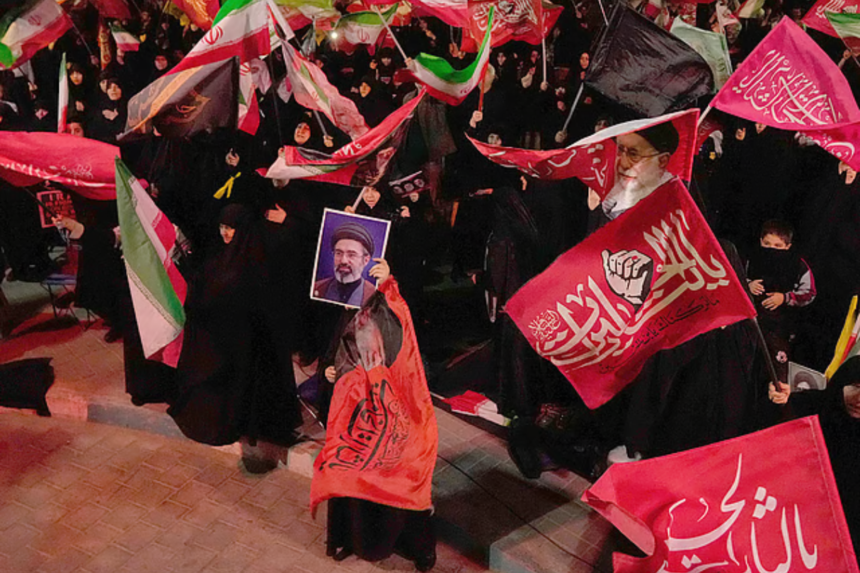
Demonstrators wave flags as one holds up a portrait of the Iranian Supreme Leader Ayatollah Mojtaba Khamenei during a pro-government gathering in Tehran.
AP/ Gulf News