



Both countries denounce the attacks and reaffirm their right to self-defence.
Regional tensions in the Gulf intensified once again after Bahrain and Kuwait reported missile attacks originating from Iran, marking one of the most serious escalations since a fragile ceasefire took effect earlier this year.
Both countries condemned the strikes as violations of sovereignty and confirmed that their air defense systems successfully intercepted multiple missiles and drones before they could reach critical targets. While no fatalities were reported, the attacks have renewed concerns about the growing instability in the region and the possibility of a wider conflict.
The incident comes amid increasing friction between Iran and the United States following recent military operations near the Strait of Hormuz and continued disagreements over regional security arrangements.
Bahrain Condemns Missile and Drone Attacks
Bahrain strongly denounced the strikes, describing them as a direct assault on its sovereignty and national security.
The kingdom confirmed that three missiles and several drones were intercepted and destroyed by Bahraini air defense systems before they could reach their intended targets.
Officials stated that the attacks formed part of what they described as a continuing hostile campaign against civilian areas and strategic infrastructure.
The General Command of the Bahrain Defense Force said military personnel responded immediately to the threat and successfully neutralized incoming projectiles.
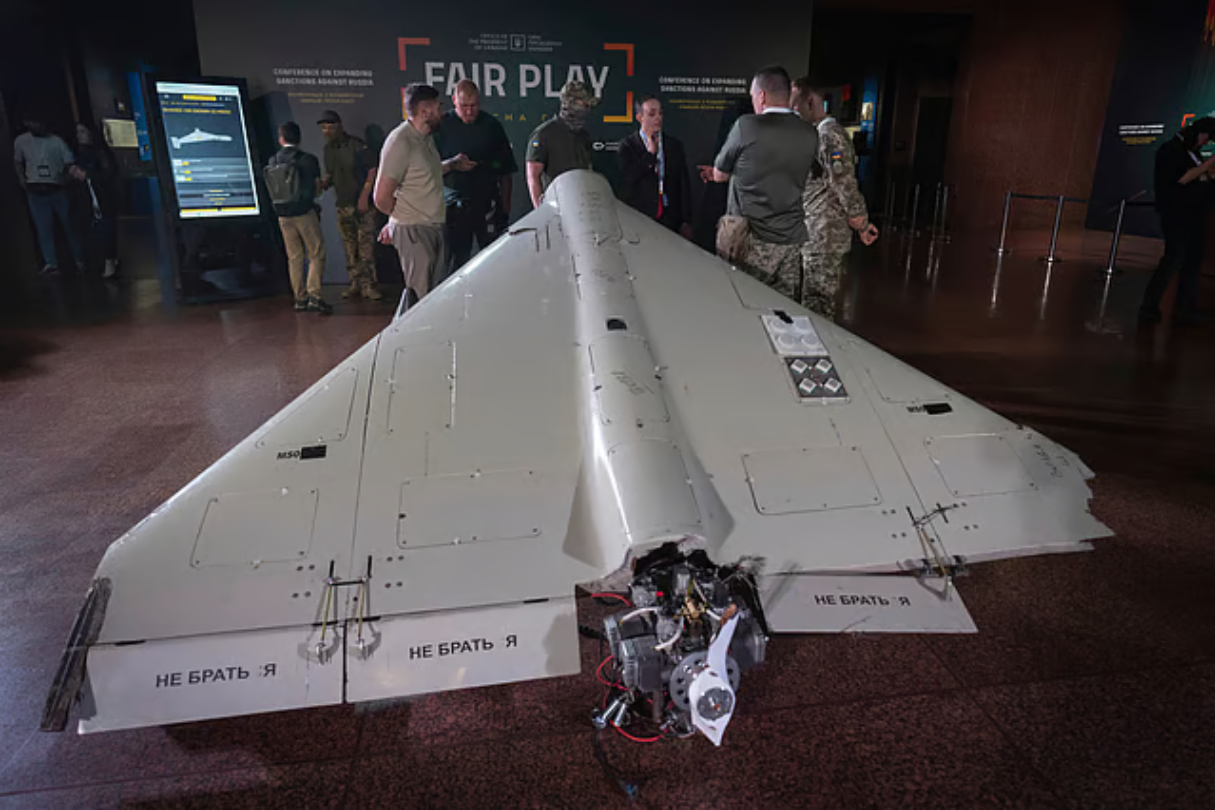
Authorities also urged residents to avoid handling unfamiliar objects that may have fallen during interception operations and instructed citizens to report suspicious debris to emergency services.
The attacks carry particular significance because Bahrain hosts the headquarters of the United States Fifth Fleet, making it one of the most strategically important military locations in the Gulf.
Kuwait Reports Missile Interceptions
Kuwait also confirmed that its air defense systems detected and engaged several incoming ballistic missiles during the early hours of Saturday morning.
According to Kuwaiti defense officials, seven hostile missiles were identified approaching national airspace. Interception operations successfully prevented the missiles from reaching populated areas or strategic facilities.
Although no casualties were reported, falling debris and missile fragments caused material damage in several locations.
Emergency services responded to multiple incidents linked to falling shrapnel, including small fires that were quickly brought under control.
Officials again warned the public not to approach any suspected missile fragments and urged residents to immediately report unusual objects through emergency channels.
The temporary closure of Kuwaiti airspace also resulted in several flight diversions before normal operations resumed later in the day.
Iran Links Attacks to Recent US Military Actions
The latest exchanges follow renewed military activity involving the United States and Iran.
Iran’s Revolutionary Guards stated that their operations targeted what they described as hostile military assets following recent American strikes against Iranian radar facilities and surveillance infrastructure.
Earlier, US Central Command confirmed that American forces had intercepted drones near the Strait of Hormuz and conducted strikes against radar sites on Iranian territory.
Washington described those operations as defensive actions intended to protect maritime traffic and maintain freedom of navigation through one of the world’s most important shipping corridors.
Iran, however, has framed its actions as retaliation for what it considers violations of its security and sovereignty.
These competing narratives continue to fuel tensions and complicate diplomatic efforts aimed at preserving regional stability.
Why Bahrain and Kuwait Matter
Both Bahrain and Kuwait occupy strategically important positions within the Gulf security architecture.
Bahrain hosts key American military assets, including the Fifth Fleet, which oversees naval operations across the Gulf, Arabian Sea, and surrounding waterways.
Kuwait similarly serves as an important logistical and operational partner for Western military forces operating in the region.
Because of these relationships, both countries are often viewed by Tehran as closely aligned with US regional policies.
As a result, any military confrontation involving Iran and the United States can quickly place Gulf states at the center of escalating tensions.
The attacks demonstrate how regional conflicts increasingly extend beyond confrontations between major powers and affect neighboring countries hosting military infrastructure.
The Ceasefire Remains Under Pressure
Although a ceasefire has technically been in place since April, repeated military incidents continue to test its durability.
Recent weeks have seen drone interceptions, missile launches, naval confrontations, and competing claims of violations from multiple sides.
Diplomatic efforts to stabilize the situation have faced additional challenges due to ongoing disputes surrounding the Strait of Hormuz, regional military deployments, and broader security concerns across the Middle East.
While negotiations continue, neither side appears willing to reduce its military readiness.
Analysts warn that even limited incidents can create a cycle of retaliation that becomes increasingly difficult to contain.
Global Implications Beyond the Region
The significance of these developments extends beyond Gulf security.
The Strait of Hormuz remains one of the world’s most important energy corridors, handling a substantial share of global oil and gas exports.
Any prolonged instability involving Iran, Bahrain, Kuwait, or neighboring states has the potential to affect energy prices, shipping costs, insurance premiums, and global trade flows.
Financial markets and energy traders closely monitor developments in the region because even temporary disruptions can have immediate economic consequences.
As a result, military exchanges that appear regional in scope often generate international concern.
An Uncertain Path Forward
The latest missile attacks on Bahrain and Kuwait highlight how fragile the current security environment remains despite ongoing diplomatic efforts.
Successful interceptions prevented a larger tragedy, but the incidents demonstrate the continued risk of escalation as military activity persists across the Gulf.
With both sides maintaining strong rhetoric and strategic positions, the prospect of lasting stability remains uncertain.
For now, Bahrain and Kuwait have reaffirmed their commitment to defending their sovereignty, while regional leaders continue searching for ways to prevent the current crisis from expanding into a broader conflict.
The coming weeks will likely determine whether diplomacy can regain momentum or whether the Gulf moves closer to another period of sustained confrontation.
Brigadier General Mohammed Al-Ghareeb, spokesperson for Kuwait’s General Fire Force, urges citizens and residents not to handle fires or suspected shrapnel objects and to report them immediately via the emergency hotline.
With inputs from AFP
Source: Gulf News