


Tehran threatens retaliation as tanker attacks increase and shipping activity through the Strait of Hormuz continues to decline.
Iran is reportedly preparing 14 oil tankers to challenge the US naval blockade, raising fears of a confrontation with American warships and renewed conflict across the Arabian Gulf. The move comes as tanker attacks increase and commercial shipping through the Strait of Hormuz continues to decline, threatening regional energy security.
Shipping activity through the strategic waterway has fallen 65% below pre-war levels, adding to concerns over global oil supplies and the economic consequences of a prolonged confrontation.
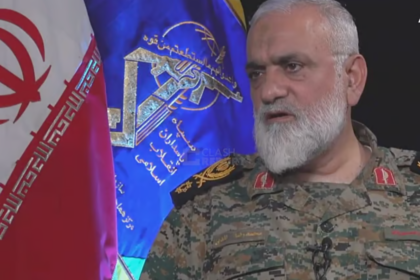
The stakes increased on Saturday after Deputy Foreign Minister Kazem Gharibabadi warned that Tehran would take “any action necessary” to break the US blockade, which Iran considers an act of war.
Gharibabadi also confirmed that a Qatari delegation had held two hours of talks in Tehran on Friday, indicating that diplomatic efforts were continuing despite escalating tensions.
Meanwhile, more than 14 oil tankers were reportedly positioned near Kharg Island, Iran’s main oil export terminal. Crews had been assigned and Iranian flags raised ahead of a possible attempt to break the blockade.
The central question now is whether Washington will allow the tankers to pass, intercept them, or use force to prevent them from crossing.
What Is Iran Planning With 14 Oil Tankers?
Iranian lawmaker Vahid Ahmadi, a member of Parliament’s National Security Committee, said 14 oil tankers were preparing to challenge the US blockade.
“If we cannot sell oil, others should not be able to sell it either,” he warned, threatening retaliation against regional oil facilities if Iranian vessels were attacked.
Ahmadi said military escorts were among the measures under consideration and that regional governments, including Qatar and Oman, had been informed.
However, he did not disclose the names of the vessels, their destinations or when they might attempt to cross the blockade. There has also been no independent confirmation that the operation has started.
Why Is Iran Risking a Confrontation With the US?
The blockade is increasingly restricting Iran’s oil exports, cutting off a major source of revenue and adding pressure to an economy already struggling with sanctions and inflation.
Commodity intelligence firm Kpler estimates that around 43 million barrels of Iranian oil remain stranded inside the blockade zone. Approximately 20 tankers have reportedly been identified near Kharg Island, most of them loaded but unable to move.
The financial consequences could become more severe in the coming weeks. Kpler analyst Homayoun Falakshahi has warned that payments from Iran’s remaining oil shipments could dry up by mid-December, potentially costing Tehran between $3 billion and $6 billion in monthly revenue.
The declining flow of foreign currency is putting additional pressure on government finances, imports and the country’s ability to contain inflation.
Iran’s domestic energy situation has also deteriorated. Authorities announced rolling electricity cuts beginning Sunday, citing fuel shortages and damage to energy infrastructure during the war. Some areas could face outages lasting up to two hours a day, AFP reported.
President Masoud Pezeshkian said US and Israeli strikes on gas infrastructure had worsened shortages ahead of winter, adding to the strain caused by sanctions, disrupted oil exports and the blockade.
For Tehran, attempting to break the blockade could be an effort to recover export revenue while forcing Washington to reconsider its position. However, any military confrontation could create consequences far beyond Iran’s economy.
What Is the US Naval Blockade and How Does It Work?
The US naval blockade is a military operation aimed at preventing vessels from entering or leaving Iranian ports, particularly to restrict oil exports and cut off a major source of revenue for Tehran.
The blockade was first imposed on April 13 and temporarily lifted in June following an understanding between Washington and Tehran. It was reinstated on July 14 after the agreement collapsed.
American warships patrol waters near Iran and are authorised under blockade orders to intercept, inspect, divert or seize vessels attempting to enter or leave Iranian ports without permission.
On November 18, US Central Command tightened the restrictions, warning that vessels receiving Iranian cargo through transfers at sea could also face interception or seizure.
Ships refusing to comply with US orders risk military force. However, the blockade does not prohibit vessels travelling through the Strait of Hormuz to or from non-Iranian ports, although they may be subject to inspections.
What Happens If US Warships Intercept Iranian Tankers?
If Iranian tankers attempt to cross the blockade, Washington would face three broad choices: allow them to proceed, turn them back, or take stronger enforcement action.
Allowing the vessels through could weaken the credibility of the blockade. Attempting to stop them could trigger a dangerous standoff, especially if Iranian naval vessels accompany the tankers.
The greatest risk would emerge if either side opened fire.
Iranian officials have warned that attacks on its tankers could lead to retaliation against oil infrastructure elsewhere in the region, potentially drawing Gulf countries into the confrontation.
An interception, however, would not automatically trigger a full-scale war. The outcome would depend on whether Washington and Tehran chose to escalate the confrontation or disengage.
Tanker Attacks Near Oman Raise Shipping Risks
The growing threat to commercial shipping is already visible in reported incidents near Oman.
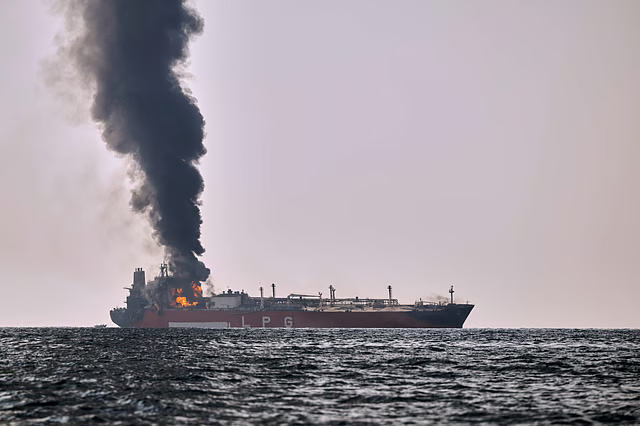
On Saturday, UK Maritime Trade Operations (UKMTO) reported two tanker incidents near Khasab port. One vessel was reportedly struck around 11 nautical miles north of the port, while another incident occurred approximately 17 nautical miles east.
Tankers were reportedly hit by unidentified projectiles. No casualties were reported, although it remained unclear whether the incidents involved two separate vessels.
Iran’s navy separately claimed that a tanker caught fire after hitting a naval mine in a restricted area east of Hormuz. Tehran said the vessel had ignored warnings and switched off its identification and navigation systems.
The Iranian account could not be independently verified or linked to either of the UKMTO incidents.
The reports followed a tanker fire near Khasab on Friday, adding to concerns about the safety of commercial vessels operating in the region.
Al Jazeera, citing Iranian military statements, reported approximately 25 tanker-related incidents over the past week, averaging around three a day. The figure could not be independently verified.
Tehran is also seeking greater control over commercial passage through Hormuz, insisting that vessels coordinate with Iranian authorities and follow designated routes.
Iranian military statements cited by Al Jazeera warned that ships failing to comply could face attacks or encounter naval mines.
The warnings suggest Tehran is attempting to challenge the US blockade while imposing its own conditions on shipping through the strategic waterway.
How Much Has Hormuz Shipping Declined?
The latest shipping figures underline the scale of disruption.
UKMTO reported that vessel crossings through the Strait of Hormuz were approximately 65% below pre-war levels in the week ending November 18. The waterway recorded 263 crossings, compared with 308 during the previous week.
Of the total, 115 vessels were outbound and 148 inbound.
Six tanker attacks were reported during the week, including four inside the strait and two elsewhere in the Arabian Gulf.
UKMTO has recorded 106 incidents in the strait since the conflict began on February 28.
The decline in vessel traffic reflects the difficulty of restoring normal shipping operations while attacks, military restrictions, and uncertainty continue to threaten commercial vessels and energy supplies.
Is Iran Using the Tanker Challenge to Gain Leverage in Negotiations?
Iran’s reported preparations could also be part of its broader strategy to strengthen its position in negotiations with Washington.
Diplomatic contacts are continuing through Qatar, although formal US-Iran negotiations have yet to resume. Tehran’s tanker challenge may aim to show that continued economic pressure could have consequences beyond Iran’s oil exports.
Iranian Foreign Minister Abbas Araghchi has maintained that Tehran will continue exporting oil while pursuing diplomacy.
The country’s economic difficulties are adding urgency to that position. President Masoud Pezeshkian warned on Saturday that the economic confrontation was harder to withstand than missile attacks, pointing to energy shortages and pressure on domestic industries.
Deputy Foreign Minister Kazem Gharibabadi described the US blockade as an “act of war” and confirmed that a Qatari delegation had visited Tehran for discussions.
Tehran appears to be pursuing two parallel approaches, maintaining diplomatic contacts while signalling that continued economic pressure could trigger wider regional consequences.
Could the Tanker Standoff Trigger Another US-Iran War?
A renewed military confrontation remains possible, particularly amid reports that Washington and Israel are considering fresh strikes against Iran. However, President Donald Trump has not indicated that he has authorised another military operation.
For Washington, enforcing the blockade without triggering a wider conflict is becoming increasingly difficult.
For Tehran, allowing the blockade to continue risks more serious economic damage, while attempting to break it militarily could invite a stronger American response.
Gulf countries face another concern. Any escalation could threaten regional energy infrastructure, disrupt oil shipments and undermine economic stability across the Arabian Gulf.
The immediate test will come if Iranian tankers approach the blockade. Whether US warships let them through, turn them back, or try to stop them by force could determine whether the standoff remains an economic confrontation or escalates into another round of fighting.
Read more news and follow us on Instagram
Source: Gulf News
A liquefied petroleum gas (LPG) tanker burns in the Strait of Hormuz off Oman’s Musandam Peninsula on November 17, 2026, highlighting growing threats to commercial shipping as Iran prepares to challenge the US naval blockade.
AP