

Nestlé has agreed to sell its vitamins business to a private equity firm for $1 billion as the company reshapes its portfolio.
Nestlé has agreed to sell its mainstream vitamins, minerals, and supplements business to private equity firm Yellow Wood Partners for $1 billion as the food giant continues to reshape its portfolio around categories where it sees stronger competitive advantages.
The business, known as the Holistic Health portfolio, includes brands such as Nature’s Bounty, Osteo Bi-Flex, Ester-C, Gard, Nuun, Puritan’s Pride, and Sisu. The transaction also covers Nestlé’s US private-label supplements business and dedicated manufacturing, packaging, warehousing, and distribution operations.
The deal is subject to regulatory approvals and is expected to close in the first half of 2027.
Why Nestlé Is Selling Its Vitamins Business
Nestlé CEO Philipp Navratil said the divestment is part of the company’s broader portfolio transformation.
“We are focusing our resources where we have the strongest competitive advantage,” Navratil said.
Nestlé plans to retain its premium, science-led vitamins and supplements businesses, including Solgar and Pure Encapsulations, which the company says continue to perform strongly. The company sees the mainstream supplements business as requiring a different strategy under dedicated ownership.
The decision allows Nestlé to focus more resources on its priority businesses while still maintaining exposure to the higher-end health and wellness segment.
The company has been reshaping its portfolio through a series of transactions as it focuses more heavily on areas including coffee, pet care, food, snacks, and premium nutrition.
Seven Major Brands Included in the Deal
The Holistic Health portfolio contains seven established brands.
They include Nature’s Bounty, Osteo Bi-Flex, Ester-C, Gard, Nuun, Puritan’s Pride, and Sisu. The transaction also includes Nestlé’s US private-label supplements operations and the infrastructure supporting the business.
Nestlé said the portfolio generated $1.2 billion in sales in 2025. The business is primarily concentrated in the United States, with operations in markets including Canada and China.
Nature’s Bounty is among the largest brands in the portfolio. Yellow Wood said the brand is consumed in more than 20% of US households and has been established for more than 50 years.
Nestlé Paid $5.75 Billion for Bountiful in 2021
The sale also represents a significant reversal from Nestlé’s expansion into mainstream vitamins and supplements earlier this decade.
In 2021, Nestlé agreed to acquire The Bountiful Company for $5.75 billion. Several of the brands now included in the Holistic Health divestment came from that transaction.
The latest deal reflects a different strategic environment. Rather than owning a broad portfolio across mainstream supplements, Nestlé is concentrating its resources on businesses where it believes its brand-building, innovation, and scale offer a stronger competitive advantage.
The company will continue to operate in vitamins and supplements through premium brands such as Solgar and Pure Encapsulations.
Yellow Wood Plans Standalone Business
For Yellow Wood Partners, the acquisition is an opportunity to build a dedicated consumer health platform around the brands.
The private equity firm said it intends to operate Holistic Health as a standalone entity. Dana Schmaltz, a partner at Yellow Wood, said the structure could help the individual brands accelerate growth, increase innovation, and strengthen their positions with consumers and retail partners.
The transaction will also give Yellow Wood control over the associated manufacturing, packaging, warehousing, and distribution infrastructure included in the deal.
The firm has experience acquiring non-core consumer brands from large multinational companies. Its previous deals include ChapStick from Haleon and Elida Beauty from Unilever.
Vitamins Market Remains Attractive
Nestlé’s decision to sell the mainstream business does not mean it is abandoning the health and wellness market.
Demand for vitamins, minerals, and supplements has remained an important part of the broader consumer health industry, attracting interest from major consumer companies and private equity investors.
Nestlé’s strategy is instead to focus on the premium end of the category, where it believes its science-led brands have stronger growth prospects.
The distinction between mainstream and premium supplements is increasingly important as consumers become more selective about products positioned around areas such as nutrition, immunity, wellness, and specialized health needs.
More Portfolio Changes Under Philipp Navratil
The vitamin divestment is another step in Nestlé’s wider effort to simplify its portfolio.
The company has also been restructuring its water and premium beverages operations and has been reducing its exposure to other businesses that do not fit as closely with its long-term priorities.
The strategy is intended to allow Nestlé to concentrate investment and management attention on areas where it has stronger competitive advantages.
Navratil has also indicated that reducing leverage could give Nestlé more flexibility to pursue acquisitions in the future.
“When the leverage is in the right range, it will obviously open up optionality,” he said, while indicating that the company would remain open to attractive inorganic opportunities.
What the Deal Means for Nestlé
For Nestlé, the $1 billion sale is less about exiting health and wellness than deciding where within the category it wants to compete.
The company will give up a mainstream supplements portfolio that generated $1.2 billion in sales in 2025 while retaining premium brands that it considers better aligned with its growth strategy.
For Yellow Wood, the transaction creates a sizeable standalone consumer health business with established brands, retail relationships, and operational infrastructure.
The deal therefore marks another stage in Nestlé’s portfolio transformation. The company is narrowing its focus, while the buyer is taking a collection of established brands and betting that dedicated ownership can unlock their next phase of growth.
Source: Business Connect
Read more news and follow us on Instagarm.
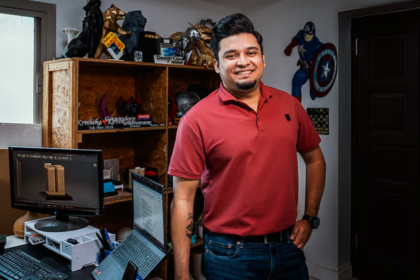
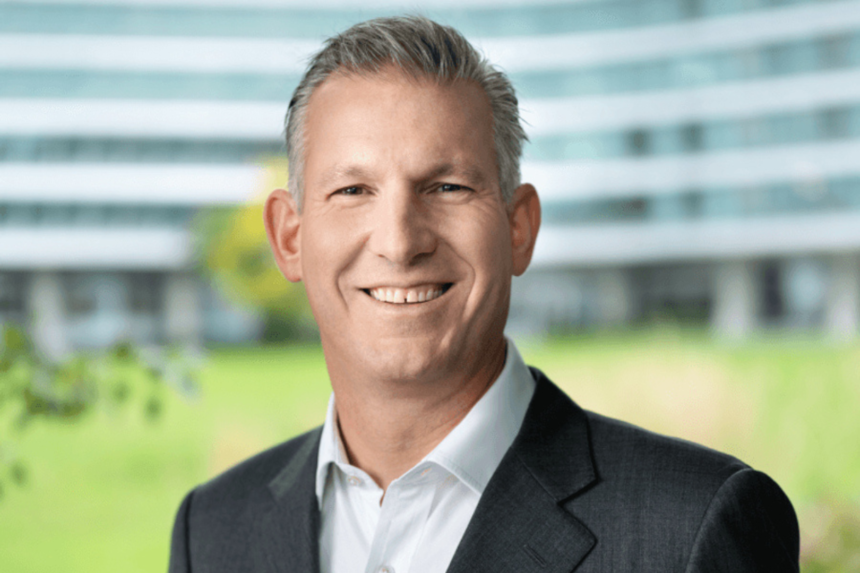
Philipp Navratil, CEO of Nestlé (Credit: Philipp Navratil’s LinkedIn)