


The proposed 7% transit toll could reshape global energy trade without increasing Iran’s oil production.
Dubai: Iran’s proposed plan to charge commercial ships a 7% transit fee through the Strait of Hormuz could theoretically generate more than $100 billion a year, creating one of the world’s largest revenue streams without pumping a single additional barrel of oil.
The proposal comes as Iran and Oman continue discussions on a framework to restore commercial shipping through the strategic waterway following months of regional tensions. At the same time, diplomatic efforts between Tehran and Washington have accelerated, with US President Donald Trump saying the conflict with Iran could end soon.
Why Hormuz Matters
The Strait of Hormuz is the world’s most important energy corridor.
Before recent disruptions, roughly 20-21 million barrels of crude oil and petroleum products passed through the strait each day, representing around 20% of global oil consumption and nearly 25% of all seaborne oil trade. The route is also vital for global liquefied natural gas (LNG) exports.
Because so much of the world’s energy supply depends on this narrow waterway, even small policy changes can have global economic consequences.
Iran’s Proposed Transit Fee
According to Reuters, Iran is seeking to charge 5% to 7% of cargo value as a transit or “service” fee for commercial vessels using the strait.
Oman has reportedly proposed a different approach based on voluntary contributions, similar to the Strait of Malacca model, in which ships contribute to navigation, rescue, and environmental services rather than paying a mandatory toll.
The United States has opposed any compulsory Iranian-controlled transit charges.
Iran has also clarified that any shipping arrangement with Oman does not automatically reopen the Strait of Hormuz. Tehran says broader political and economic conditions would still need to be resolved before commercial navigation fully returns to normal.
How Much Money Could Iran Make?
If the proposed 7% fee applied to cargo moving through Hormuz at pre-conflict volumes, the numbers become enormous.
Based on historical shipping volumes and cargo values:
- Gross revenue could reach about $385 million per day, or roughly $140 billion annually.
- Assuming relatively low operating costs to collect the fee, theoretical net income could approach $136 billion per year.
For perspective, a typical Very Large Crude Carrier (VLCC) transports around 2 million barrels of oil.
At an oil price of $80 per barrel, the cargo would be worth approximately $160 million. A 7% transit fee would amount to roughly $11 million for a single voyage.
These figures are scenario-based calculations rather than forecasts. Actual revenue would depend on the final fee structure, traffic volumes, exemptions, enforcement, and whether shipping companies continue using the route.
How Big Would That Be?
If Iran collected around $140 billion annually, the revenue would rival or exceed the recent annual profits of some of the world’s largest companies, including Apple, Microsoft, Alphabet, Nvidia, and Saudi Aramco.
It would also far exceed the earnings of the Suez Canal, which generated approximately $4.67 billion during Egypt’s 2025-26 fiscal year.
Relative to Iran’s own economy, estimated at around $363 billion in nominal GDP for 2025, the proposed toll could equal nearly 40% of the country’s annual economic output without increasing domestic oil production.
Major Challenges Remain
While the numbers appear attractive on paper, implementing such a system would be extremely difficult.
Several obstacles could significantly reduce potential revenue:
- Shipping companies may seek alternative routes where possible or demand exemptions.
- Existing pipeline networks in Saudi Arabia and the UAE can bypass part of Hormuz traffic.
- International sanctions and insurance restrictions could complicate payments.
- Any agreement may ultimately involve lower fees, voluntary contributions, or revenue-sharing arrangements with Oman and other Gulf states.
Even a modest reduction in traffic or fee levels would dramatically lower total collections.
International Law Questions
The proposal also raises significant legal questions.
Under the United Nations Convention on the Law of the Sea (UNCLOS), ships enjoy the right of transit passage through international straits such as Hormuz. Coastal states may regulate navigation and maritime safety, but they generally cannot impede commercial transit.
UNCLOS does allow charges for specific services actually provided to vessels, such as navigation assistance or pilotage. The legal debate therefore centers on whether Iran’s proposed fee would genuinely pay for maritime services or function as a mandatory toll for passage.
Although both Iran and the United States have ratified UNCLOS, many of its navigation principles are widely regarded as customary international law.
Analysts also argue that recognizing an Iranian-controlled transit system could establish a broader precedent affecting freedom of navigation through one of the world’s most strategically important waterways.
The Bottom Line
Iran’s proposed 7% Hormuz transit fee demonstrates the enormous economic value of controlling one of the world’s busiest maritime chokepoints.
On paper, the proposal could generate more than $100 billion annually, rivaling the profits of the world’s biggest corporations.
In reality, political negotiations, international law, commercial acceptance, insurance, sanctions, and global shipping behavior will determine whether any such revenue model can ever become practical. The headline figures highlight the theoretical value of Hormuz, but they remain far from guaranteed.
Source: Gulf News
Read more news and follow us on Instagram.
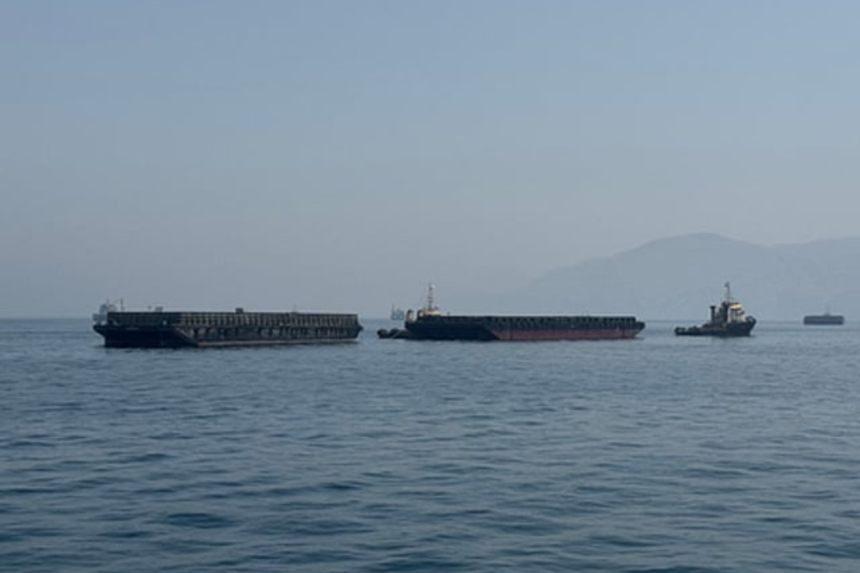
Iran says talks with Oman focused on designating a temporary route for safe shipping in the Hormuz Strait.
File, Source: Gulf News