

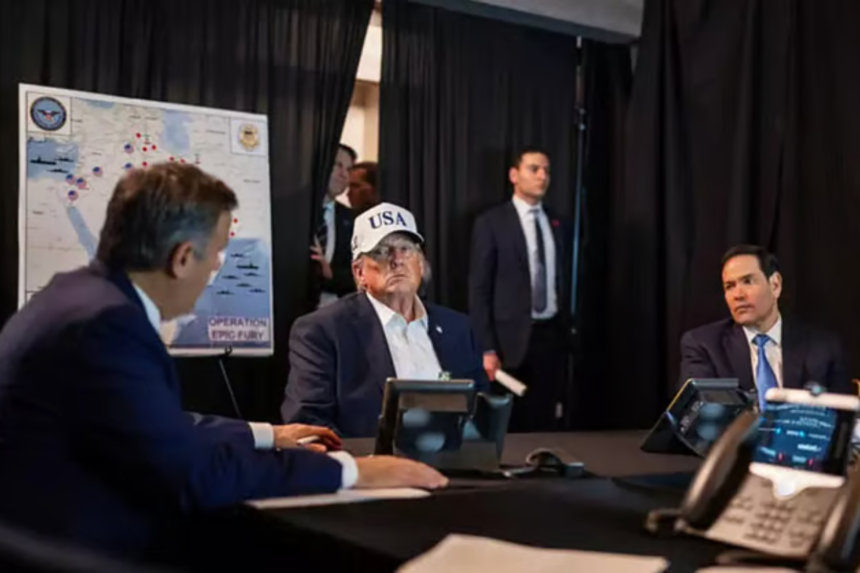
Washington believes Iran will give in first, while Tehran believes Trump faces growing pressure to end the standoff.
The standoff over the Strait of Hormuz is increasingly becoming a contest of endurance as much as military power. Washington believes Iran will eventually be forced to compromise under the weight of sanctions, economic pressure and a maritime blockade. Tehran appears to be betting that President Donald Trump will face mounting pressure to end the confrontation before Iran runs out of options.
The central question is becoming increasingly difficult to avoid: Which side’s clock will run out first?
For Washington, the pressure comes from the economic consequences of prolonged disruption, rising energy prices, military resources and domestic politics. For Tehran, the costs include sanctions, damage from months of conflict and the risk of further US military action.
Iran believes Trump’s pressure is growing.
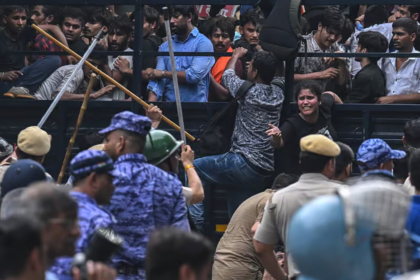
After nearly six months of conflict, Iranian leaders appear to believe that Washington is looking for a way to end the confrontation.
CNN political and national security analyst David Sanger said Iran’s leadership believes Trump wants an exit and that the United States is facing constraints involving ammunition, military options and political patience. He also noted that the conflict has not been broadly popular, including among Republicans.
That perception may explain why Tehran has shown little urgency in accepting a compromise over the Strait of Hormuz.
Iran has instead demanded several conditions for fully reopening the waterway, including an end to the US maritime blockade, the withdrawal of American forces from the region, compensation for damage caused by the conflict and relief from sanctions.
Those demands make an agreement more difficult, but they also reflect Tehran’s calculation that Hormuz gives it bargaining power.
The waterway is one of the world’s most important energy corridors. In normal circumstances, millions of barrels of oil and petroleum products pass through the strait every day, alongside substantial volumes of liquefied natural gas.
Keeping the route restricted therefore creates economic pressure far beyond Iran’s borders.
Washington faces several pressures.
The United States still has overwhelming military superiority, but sustaining a prolonged conflict carries costs.
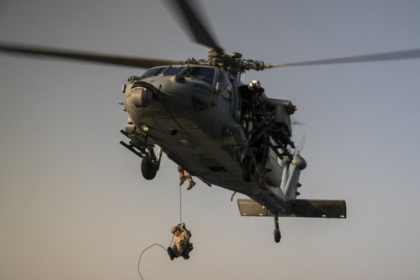
CNN reported that Trump’s top military commander has privately indicated that Washington needs an off-ramp from the conflict. Retired US Air Force Colonel Cedric Leighton also told CNN that shortages of key defensive munitions, including missiles used by Patriot and Terminal High Altitude Area Defense systems, could affect America’s ability to sustain operations.
That does not mean the United States cannot continue military action. It does, however, highlight the challenge of maintaining a prolonged campaign while also meeting military commitments elsewhere.
Iran is likely factoring those constraints into its calculations.
The longer the conflict continues, the more Washington must weigh the cost of additional military resources against the strategic value of keeping pressure on Tehran.
The political clock is also ticking.
Domestic politics adds another layer to the standoff.
The US midterm elections are approaching, giving Trump a political timetable that Iran does not face in the same way.
CNN has compared the current situation with the 1979-81 Iran hostage crisis, when 52 Americans were held hostage in Iran for 444 days. The crisis became a major political liability for President Jimmy Carter during the 1980 election.
The circumstances today are fundamentally different. Iran is not holding American hostages on the same scale.
But Tehran also influences another issue that can directly affect American households: energy prices.
With average US petrol prices above $4 a gallon, higher energy costs caused by disruptions around the Strait of Hormuz can quickly become a domestic political issue.
That creates a difficult calculation for Washington. The administration wants economic pressure to force Iran to compromise, but the longer Hormuz remains disrupted, the greater the potential impact on energy prices and American consumers.
Iran is under pressure to.o
Tehran’s strategy carries substantial risks.
Iran’s economy is already under pressure from sanctions, while the country has also endured months of conflict and military strikes. Prolonged disruption to commercial shipping could further damage its economy and make the eventual restoration of normal trade more difficult.
Trump has said Washington is waiting for the economic effects of the blockade to intensify.
“We are low-keying it,” Trump said, according to Axios. “We are only semi-negotiating with them.”
That suggests Washington may believe time is working in its favour.
But Iran’s calculation is based on the same principle. Tehran appears to believe that every additional week of disruption increases pressure on Washington to reach an agreement, particularly if energy prices remain elevated and military resources become more constrained.
Two countries, two clocks
The strategic calculations can be reduced to two competing timelines.
| Washington’s pressure points | Iran’s pressure points |
|---|---|
| US midterm elections | US maritime blockade |
| Higher petrol and energy prices | Sanctions and economic pressure |
| Public frustration with the conflict | Damage from prolonged fighting |
| Pressure on defensive missile stocks | Risk of renewed US strikes |
| Need for a political off-ramp | Pressure to restore normal trade |
Washington is betting that economic and military pressure will eventually force Tehran to compromise.
Iran appears to be betting that Trump will need a functioning Strait of Hormuz before Tehran needs to surrender the leverage it currently holds.
Hormuz is the central bargaining chip
The strategic importance of the Strait of Hormuz makes the confrontation particularly difficult to resolve.
For Iran, restrictions around the waterway provide a means of exerting pressure without having to match America’s military capabilities directly. For the United States, restoring unrestricted commercial navigation is both an economic and strategic priority.
That gives Tehran an unusual form of leverage. It does not come from possessing greater military power. It comes from controlling, or being able to disrupt, access to a waterway through which a substantial share of global energy trade normally passes.
Yet that leverage has limits. If Iran pushes too far, it risks provoking a stronger military response or encouraging countries and companies to seek alternative routes and supplies.
The United States faces its own limits. A prolonged confrontation could increase energy costs, consume valuable military resources and create greater political pressure at home.
Who blinks first?
The outcome may ultimately depend less on which side can inflict greater damage and more on which side can tolerate the costs for longer.
Washington believes Iran’s economic pressure will eventually become unbearable.
Tehran believes the political and economic costs of the standoff will eventually become more difficult for Trump to sustain.
Neither calculation is guaranteed to be correct.
For now, the Strait of Hormuz remains the centre of that contest. Washington is betting that Iran’s economic clock will run out first. Tehran is betting that Trump’s political, military and economic clock is moving faster.
The longer the standoff continues, the more important that difference in timing becomes.