

Leadership tensions, financial strain, and internet restrictions are raising fresh concerns.
Iran is facing a widening economic crisis, with mounting financial pressure, political fragmentation, and growing public dissatisfaction, exposing stress within its governing system.
More than four decades after the 1979 Islamic Revolution, analysts point to increasing instability across political and institutional structures.
A report by the Institute for the Study of War highlights how economic hardship, external pressure, and internal rivalries are converging to weaken cohesion among Iran’s leadership.
Power Struggle Emerges Within Leadership
Tensions between factions have intensified, particularly between hardline figures and more pragmatic political actors.
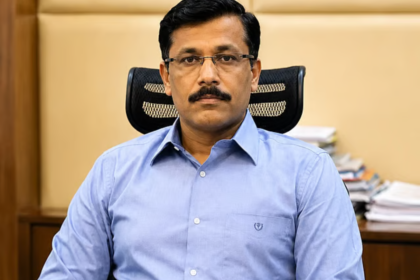
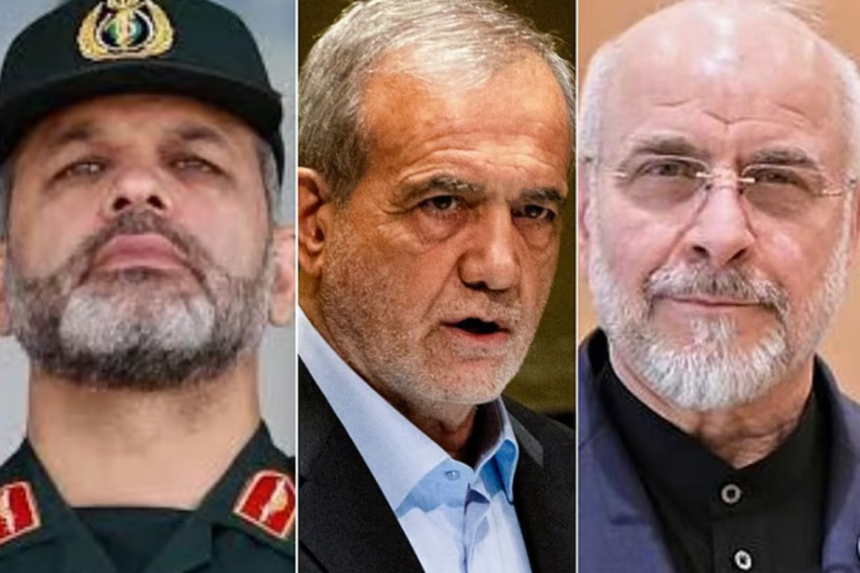
The report identifies the growing influence of Ahmad Vahidi, alongside competing positions from President Mahmoud Pezeshkian and Parliament Speaker Mohammad Bagher Ghalibaf.
Conflicting messaging around negotiations and policy direction reflects a fragmented decision-making process.
Public disagreements, once contained within internal channels, are now visible.
IRGC Faces Internal Fractures and Distrust
The Islamic Revolutionary Guard Corps, long viewed as a pillar of state power, is showing signs of strain.
Reports indicate:
- Leadership reshuffles following operational losses
- Internal accusations of disloyalty and espionage
- Rivalries between divisions over influence and resources
Analysts describe an environment marked by suspicion and breakdown in coordination. Command unity weakens, and Confidence erodes.
Economic Pressure Deepens Structural Weakness
The Iranian economic crisis continues to intensify under external and internal pressures.
Key stress points include:
- Restrictions affecting oil exports and storage
- Rising inflation and price instability
- Allegations of corruption and administrative failures
Economic networks linked to state and military structures are also under strain, particularly those tied to cross-border trade and informal channels. Financial pressure is no longer contained. It spreads across institutions.
Contradictions in Foreign Policy Messaging
Recent diplomatic messaging has revealed visible differences inside Iran’s leadership. The UN mission signaled openness to discussion, yet Abbas Araghchi rejected talks under pressure. The divergence highlights internal debate over strategy. Policy alignment weakens, and outside perceptions adjust accordingly.
Governance Tensions Spill Into Public View
Political tensions now extend beyond security matters. Lawmakers have challenged executive decisions, while judiciary leaders have admitted hidden corruption cases and rejected outside pressure to negotiate. As these divisions widen, institutional cohesion continues to weaken.
Social and Digital Pressures Add to Instability
Extended internet restrictions and economic decline are compounding public frustration.
Reports indicate:
- Disruptions to employment and business activity
- Reduced access to information and communication
- Growing concern over potential unrest
Authorities are preparing for possible internal instability as economic conditions worsen.
External Pressure Maintains Strategic Uncertainty
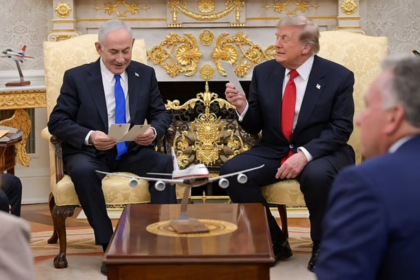
External pressures continue to weigh on Iran. Recent remarks from Donald Trump reflect ongoing tension around nuclear talks and regional control. In response, Iran is strengthening ties with Russia and China. The geopolitical environment remains unsettled, and the pressure is far from easing.
System Under Strain
Iran’s economic crisis is now colliding with political division and institutional stress. Leadership fractures are widening. Economic pressure is growing. Public confidence is weakening. The system holds, but visible strain is beginning to show.
Source: GN
WHO’S IN CHARGE? Reports emerged of purges, loyalty tests, and rivalries between IRGC branches (Quds Force, Aerospace, Basij, etc.) over resources and blame for setbacks. A combo photo shows (from left) IRGC Commander Major General Ahmad Vahidi, Iranian President Mahmoud Pezeshkian, and Parliamentary Speaker Mohammad Ghalibaf.
File