


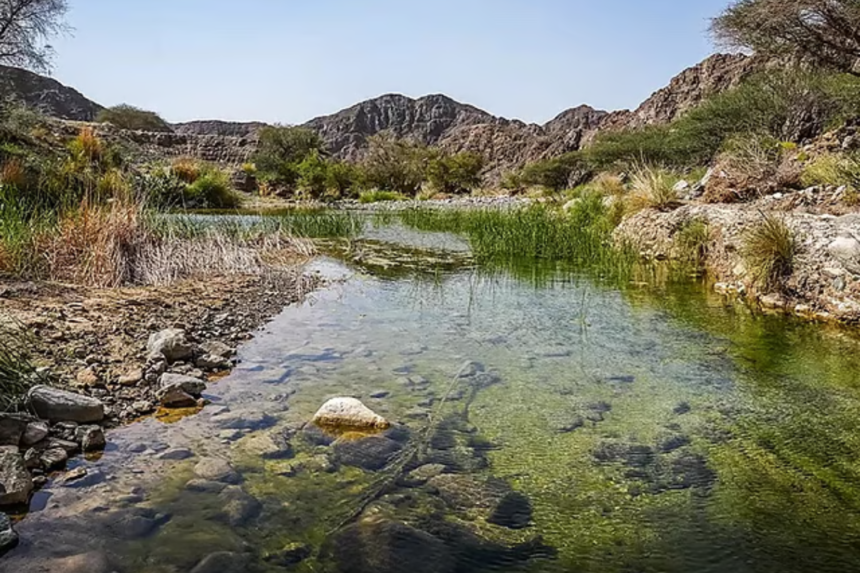
The UNESCO inscription recognizes Wadi Wurayah’s exceptional natural value, marking a historic milestone for conservation in the UAE.
The UAE has achieved a major conservation milestone after Wadi Wurayah National Park in Fujairah was inscribed on UNESCO’s World Heritage List, becoming the country’s first site recognised for its Outstanding Universal Natural Value.
The decision was announced during the 48th session of UNESCO’s World Heritage Committee in Busan, South Korea, following the committee’s review of the UAE’s nomination. The designation recognises Wadi Wurayah’s exceptional biodiversity, rare geological features, and importance as one of the Arabian Peninsula’s most significant freshwater ecosystems.
The inscription also makes Wadi Wurayah the third UNESCO World Heritage property in the UAE, highlighting the country’s growing commitment to protecting both its cultural and natural heritage.
A Landmark for Conservation in the UAE
Located in the Hajar Mountains in the Emirate of Fujairah, Wadi Wurayah National Park is known for its dramatic valleys, waterfalls, perennial freshwater springs, and rugged mountain landscapes.
Already protected at the national level, the reserve is home to a remarkable variety of wildlife and plant species, many of which are rare, endangered, or found only in the region.
UNESCO’s recognition strengthens international efforts to preserve the park while reinforcing the UAE’s long-term commitment to environmental conservation and sustainable management of its natural resources.
Why UNESCO Recognised Wadi Wurayah
UNESCO granted World Heritage status because of the site’s Outstanding Universal Natural Value, citing its exceptional biodiversity and geological significance.
The park contains more than 1,099 recorded species, including 883 animal species and 216 plant species. It provides habitat for at least 10 globally threatened species and supports nearly half of all terrestrial mammal and reptile species recorded in the UAE.
Wadi Wurayah is also home to one of the world’s largest and best-preserved ophiolite rock formations, exposing ancient sections of the Earth’s oceanic crust and upper mantle. These formations provide scientists with rare insights into the planet’s geological history.
Home to Rare Wildlife
The national park serves as a vital refuge for several iconic species native to the Arabian Peninsula.
Among its most notable inhabitants are the Arabian tahr, one of the region’s most endangered mountain mammals, and the elusive caracal, alongside numerous reptiles, insects, birds, and unique plant species that contribute to the area’s exceptional ecological value.
Its diverse habitats make the reserve an important destination for researchers, conservationists, and environmental scientists studying biodiversity in arid mountain ecosystems.
What World Heritage Status Means
UNESCO World Heritage inscription recognises sites considered to have Outstanding Universal Value to humanity.
The designation places Wadi Wurayah under internationally recognised conservation and management standards, helping safeguard its ecosystems while enhancing its scientific importance, environmental protection, and sustainable tourism potential.
UAE’s UNESCO World Heritage Sites
With the addition of Wadi Wurayah, the UAE now has three UNESCO World Heritage properties:
- Cultural Sites of Al Ain, inscribed in 2011.
- Faya Palaeolandscape in Sharjah, inscribed in 2025.
- Wadi Wurayah National Park, inscribed in 2026 as the UAE’s first natural World Heritage Site.
A Historic Achievement
Wadi Wurayah’s inscription marks a defining moment for environmental conservation in the UAE. Beyond recognising one of the country’s richest natural landscapes, it places the park among the world’s most significant protected ecosystems and highlights the UAE’s growing role in preserving biodiversity and geological heritage for future generations.
Source: Gulf News