

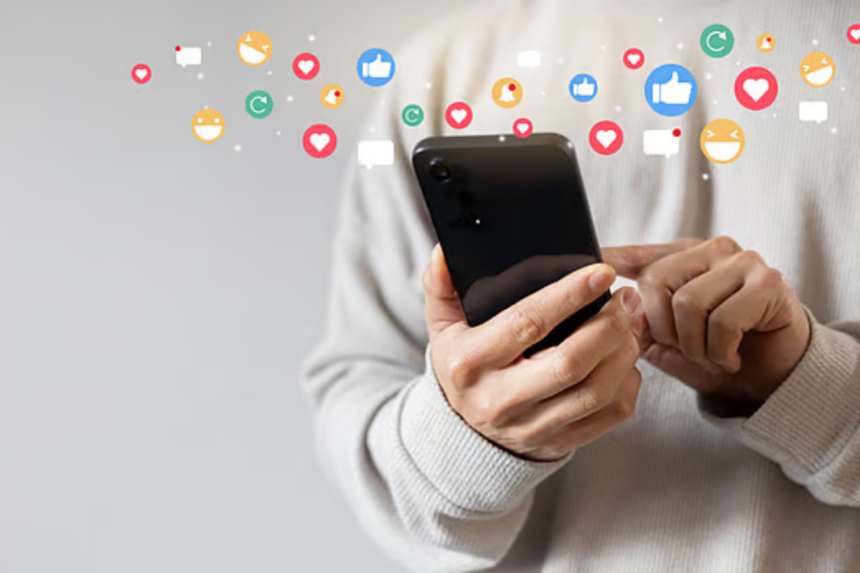
The new rules ban misleading health claims and certain videos, while requiring consent before patient images can be shared online.
Dubai: Doctors, clinics, hospitals and health influencers in Dubai are facing tighter rules on how medical services can be promoted on social media, with the Dubai Health Authority (DHA) placing greater emphasis on accuracy, patient privacy and responsible advertising.
The standards cover social media advertising by DHA-licensed healthcare facilities and professionals across platforms including Instagram, Facebook, TikTok, YouTube, Snapchat, WhatsApp and LinkedIn. The rules also extend to influencers who promote healthcare facilities, treatments or medical outcomes.
The move reflects a broader effort to prevent misleading medical advertising and ensure that patients are not influenced by exaggerated claims, unrealistic promises or promotional content that compromises privacy.
Health influencers also covered
The rules do not apply only to doctors and healthcare facilities.
Influencers promoting the services or treatments of a healthcare facility must comply with the relevant advertising requirements. Any social media content that identifies or refers to a healthcare facility must receive approval from the facility’s medical director.
The healthcare facility remains responsible for content produced on its premises, including material recorded on a personal device and published through an individual’s personal social media account.
Doctors who work across Dubai and other countries are also required to maintain a separate Dubai-specific social media presence that complies with DHA requirements, including rules concerning patient-related content.
Misleading medical claims banned.
One of the most significant parts of the standards is the restriction on exaggerated or unsupported language.
Healthcare advertising cannot use promotional terms such as “miraculous”, “magic”, “unique”, “the best”, “exclusive”, “safest”, “incomparable”, “unprecedented”, “100 per cent”, “absolutely certain”, “assured success”, “has no side effects” and “immediate results”, among others.
Claims that could create unrealistic expectations about treatment outcomes are also prohibited.
Healthcare professionals and facilities are not permitted to make negative or unfounded statements about competing doctors, healthcare facilities or government entities.
The rules also prohibit advertising that exploits a patient’s lack of medical knowledge or uses fear and scare tactics to encourage someone to undergo treatment.
Doctors cannot use unlicensed titles.
The standards place restrictions on professional titles used in advertising.
Healthcare facilities and professionals must use titles that correspond with their DHA licences. Promotional descriptions such as “Cosmetic Specialist”, “Aesthetic Consultant”, “Cosmetologist”, “Anti-Ageing Specialist” and “Beauty Expert” cannot be used unless they accurately reflect an authorised professional designation.
The title “Dr” is also restricted. It can be used by physicians, dentists and professionals holding a recognised PhD, subject to the applicable requirements. PhD qualifications must be attested by the UAE Ministry of Education.
This is intended to prevent social media profiles from presenting qualifications or areas of expertise that do not correspond with a professional’s licensed status.
Medical directors become responsible for social media content
The responsibility does not end with the individual employee who publishes a post.
For content that refers to a healthcare facility, the medical director has an important oversight role. Facilities must establish appropriate moderation and approval processes, train staff on social media requirements, and maintain records of published content for regulatory review.
Healthcare facilities must also avoid using the name or logo of the DHA or another government entity without the required written approval.
Facilities are further restricted from featuring patients treated at their Dubai facilities on international social media accounts.
Patient consent is required.
Patient images, videos and statements cannot simply be used as marketing material.
Written consent is required before a patient’s photograph, video or statement is used in advertising. Where the patient is under 18, separate consent from a parent or legal guardian is required.
Before-and-after treatment photographs must meet specific requirements. The images must show the same person, be captured using the same lens, and must not be digitally edited in a way that could distort the result.
Such comparisons must also include a disclaimer making clear that treatment outcomes can differ between individuals.
The purpose is to prevent promotional material from presenting an individual patient’s result as something that every patient can reasonably expect.
Surgery videos face strict restrictions.
Promotional filming inside operating theatres and procedure rooms is particularly restricted.
The DHA has previously warned healthcare facilities and professionals against filming or livestreaming surgical procedures for marketing purposes. The authority has cited patient privacy, infection-control requirements, staff concentration and patient safety among the concerns.
The latest social media standards reinforce this approach by prohibiting promotional filming or livestreaming while patients are undergoing minor or major surgery or are under general anaesthesia.
The restriction is significant for healthcare influencers and clinics that have increasingly used behind-the-scenes videos and procedure footage as marketing content.
What healthcare advertising cannot do
Under the standards, social media advertising must not:
- Create unrealistic expectations about treatment outcomes.
- Use fear or scare tactics to encourage treatment.
- Exploit patients’ limited medical knowledge.
- Claim that one doctor’s services are superior to another’s without an appropriate basis.
- Use unsupported comparisons between different healthcare professions.
- Publish content that conflicts with UAE culture or Islamic values.
- Display inappropriate intimacy.
- Make misleading or exaggerated claims about treatment safety or effectiveness.
Testimonials also face restrictions, particularly where they compare different healthcare professions or create an impression of guaranteed treatment outcomes.
Why the rules matter for influencers
The inclusion of influencers is particularly important because healthcare marketing increasingly happens outside traditional clinic advertising.
A doctor can now build a large audience through educational videos, while a lifestyle creator can promote a clinic to millions of followers without appearing to be part of the healthcare organisation itself.
The DHA’s approach places responsibility on healthcare facilities even when promotional material is produced through an influencer’s personal account or device.
That means clinics cannot treat influencer marketing as separate from their own regulatory responsibilities.
A bigger shift in healthcare marketing
The new standards represent a shift away from healthcare advertising built around dramatic claims and toward content that can be supported by professional credentials, evidence and accurate information.
For doctors and healthcare businesses operating in Dubai, social media is therefore no longer simply a marketing channel. It is part of a regulated communication environment where claims, professional titles, patient imagery, testimonials and even the language used in a caption can carry regulatory consequences.
The DHA’s existing restrictions on filming surgical procedures also show that the underlying principle is broader than advertising alone. Patient safety, privacy and professional responsibility take precedence over promotional value.
For health influencers, the message is equally clear. A personal social media account does not automatically place medical promotional content outside the regulator’s standards when it is being used to promote a licensed healthcare facility or its services.
As Dubai’s healthcare sector becomes increasingly visible across Instagram, TikTok, YouTube and other platforms, the new framework puts greater responsibility on everyone involved in creating and approving medical content. The objective is not simply to control what healthcare brands can say online, but to ensure that patients receive information that is accurate, responsible and does not turn medical treatment into a promise of guaranteed results.
Read more news and follow us on Instagram.
New standards apply to every DHA-licensed health facility and healthcare professional advertising on platforms such as Instagram, Facebook, TikTok, YouTube, Snapchat, WhatsApp and LinkedIn.
Shutterstock
Source: Gulf News