


Authorities continue close coordination to protect nearly 1,200 Filipino crew members in nearby waters.
Safe Exit Through a Critical Route
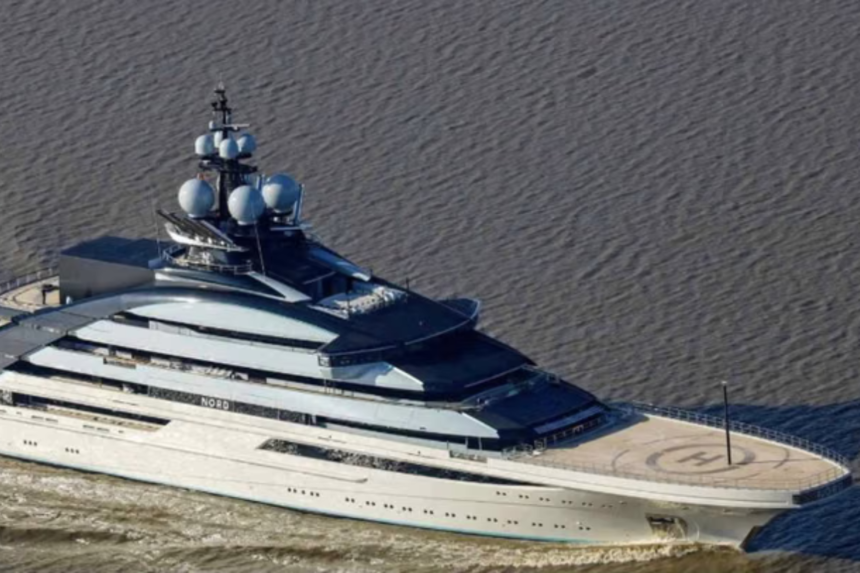
The safe exit of two vessels, Omicron Nikos and Nord, from the Strait of Hormuz on April 25 marks a moment of relative stability in a corridor still defined by uncertainty. A total of 36 Filipino crew members were onboard the Russian- and Liberian-flagged ships. Their passage adds to the growing number of seafarers moving safely through the region despite continuing geopolitical tension.
Monitoring Expands Beyond Individual Incidents
The Philippine Department of Migrant Workers has confirmed that nearly 1,200 Filipino seafarers have exited the Strait of Hormuz through recent vessel movements. At the same time, the agency continues active coordination with crew members, manning agencies, and shipowners. The objective extends beyond immediate response—it is about continuity. As maritime risk shifts from isolated incidents to a sustained condition, real-time vessel monitoring has become essential.
Recent Incidents Shape Current Approach
The current level of oversight follows earlier disruptions, including the April 22 incident in which vessels Epaminondas and MSC Francesca were stopped by the Islamic Revolutionary Guard Corps. Authorities later confirmed that all 15 Filipino seafarers on board were safe. The episode reinforced a clear reality: safe passage through the region cannot be assumed. It must be actively managed.
Maritime Stability Remains Conditional
While recent vessel exits suggest some easing, the structural risk surrounding the Strait of Hormuz remains firmly in place. The waterway continues to carry a significant share of global energy and trade flows. As a result, even temporary disruption creates consequences that extend far beyond individual vessels.
What Changes Now
The situation reflects a broader shift in maritime operations. Shipping no longer functions solely as a logistical network; it now operates as a closely monitored system under geopolitical pressure. For countries like the Philippines, which deploy large numbers of seafarers globally, safety is no longer a reactive measure. It has become a continuous operational priority.
According to ship tracking data, the Russian-owned superyacht “Nord” was able to cross the Strait of Hormuz recently, apparently being allowed by the IRGC to pass safely
@WarMonitor2/ Source: Gulf News