

Conflicting Versions of the Deal
A senior US official said Iran’s 10-point ceasefire plan does not match the deal discussed with the White House.
As a result, fresh doubts have emerged over the truce. The version Iran released publicly appears different from the one both sides discussed behind closed doors.
Washington Rejects the Published Plan
Washington responded clearly: Iran’s published document is not the actual agreement.
However, US officials refused to share more details. Instead, they stressed that negotiations will stay private, showing that the White House wants to keep the process tightly controlled.
Iran’s Terms Create Tension
Meanwhile, Iranian state media published a 10-point proposal that would allow Iran to keep control of the Strait of Hormuz, remove international sanctions, and continue uranium enrichment.
But these demands clash with US goals, especially on sanctions and Iran’s nuclear programme. Because of that, the dispute appears far deeper than a simple misunderstanding.
Trump Dismisses Public Reports
At the same time, Donald Trump rejected reports about the ceasefire terms, calling them inaccurate.
He said the real negotiations remain private and insisted that the reports circulating online do not reflect the actual talks.
A Fragile Pause
The disagreement surfaced only hours after both sides announced a temporary ceasefire to create room for negotiations.
Now, instead of bringing clarity, the truce has exposed sharply different versions of the deal, raising new concerns about how long the pause can hold.
This weakens confidence in the truce’s durability.
Present Trajectory
The ceasefire holds, but without a shared framework. Negotiations continue behind closed doors, and Alignment remains unresolved.
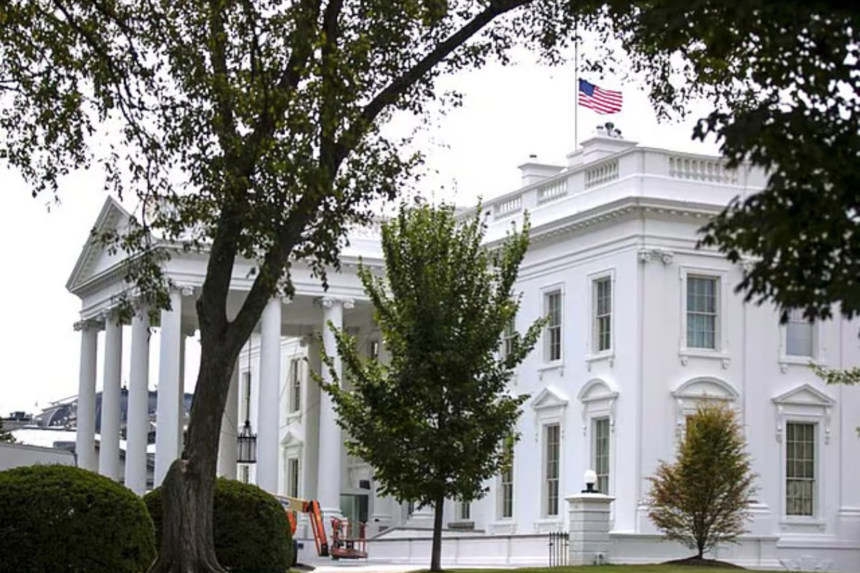
Photo: The White House. GN