


In response, the government is acting to secure fuel supply and support economic stability.
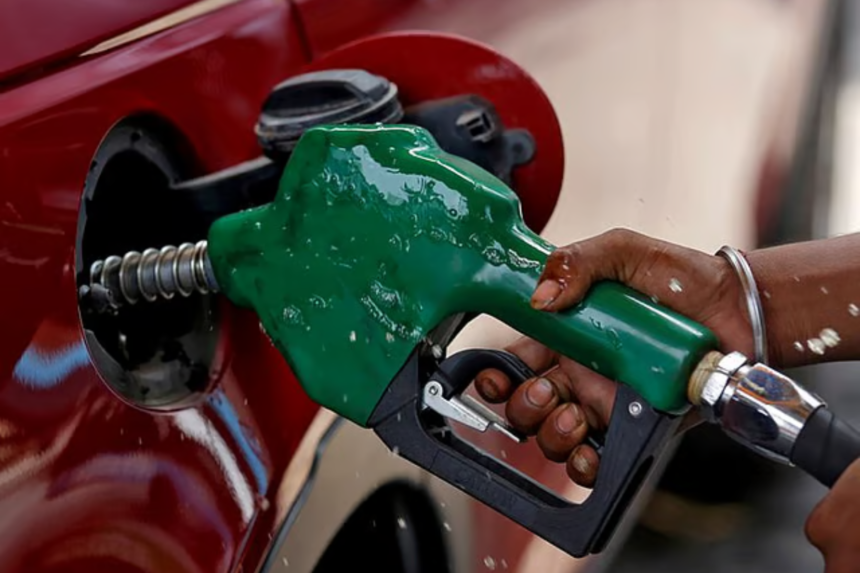
Amid rising global risks, the Philippines has declared a state of national energy emergency, signaling growing concern over potential disruptions to oil supply as geopolitical tensions escalate in the Middle East.
To address this, Ferdinand Marcos Jr. signed Executive Order 110 (EO 110), activating emergency measures aimed at protecting fuel availability and maintaining economic stability.
The move also highlights the country’s vulnerability as a net importer of petroleum products, heavily reliant on global supply chains and critical shipping routes such as the Strait of Hormuz.
What EO 110 Aims to Do
At the core of EO 110, the government has introduced a coordinated national response framework called the Unified Package for Livelihoods, Industry, Food and Transport, or Uplift.
Under this framework, a central committee led by Ferdinand Marcos Jr. will oversee implementation, bringing together key government departments across energy, transport, agriculture, finance and social welfare.
The goal is clear: ensure an uninterrupted flow of fuel and essential goods while keeping public transport, healthcare and utilities functioning without disruption.
Impact on Daily Life and Energy Use
As part of the emergency response, the declaration introduces stricter energy management measures across sectors.
Accordingly, the Department of Energy has been directed to implement fuel optimization strategies and enforce more efficient consumption practices. This includes prioritizing cost-effective energy sources, ensuring grid reliability and conserving fuel to limit price increases and extend supply duration.
At the same time, the move aligns with longer-term goals of accelerating the country’s transition toward more sustainable energy systems.
Expanded Government Powers
EO 110 grants the government broader authority to intervene in the energy market when necessary.
This includes securing fuel supplies, streamlining permits, and taking action against hoarding or profiteering. State-linked energy firms have also been authorized to step in, including making advance payments to stabilize supply chains.
Local governments are required to align with national measures, while the private sector is expected to support logistics and essential services.
Duration and Strategic Context
The emergency measures will remain in effect for one year unless lifted or extended by the president.
The declaration comes as global energy markets face increasing uncertainty due to the ongoing conflict involving the United States, Israel, and Iran. Any disruption to oil production or transportation routes could have immediate consequences for import-dependent economies.
A Preventive Economic Move
The Philippines’ decision reflects a proactive approach to managing external shocks.
Rather than responding after supply disruptions occur, the government is attempting to build resilience in advance, ensuring that essential services remain operational and economic activity continues with minimal disruption.
In a volatile global environment, energy security is not just a sectoral concern. It has become a central pillar of economic stability.
EO 110 authorises the unified package for livelihoods, industry, food, and transport.
Reuters
Source: Gulf News