


Narrow Window for De-escalation
The United States, Israel, and Iran are moving closer to a temporary ceasefire as regional mediators push for a 45-day truce to prevent the conflict from escalating further.
However, according to Axios, negotiators still see only a small chance of reaching even a partial agreement within the next 48 hours despite the recent surge in diplomatic activity. Mediators have warned officials in Iran that this may be their last chance to avoid a wider conflict.
Donald Trump has extended his earlier deadline and given Iran until April 7 to respond to the ceasefire proposal.
By extending the deadline, Trump is trying to keep negotiations alive while continuing to pressure Tehran with the threat of further escalation.
At the same time, Israel has indicated that its recent military operations targeting Tehran have been completed, suggesting a pause that could support diplomatic movement.
Two-Phase Deal Under Discussion
Negotiators are developing a two-phase proposal.
In the first phase, they would implement a 45-day ceasefire to create room for broader talks and reduce the immediate risk of military escalation.
In the second phase, they would work toward a wider agreement that could include reopening the Strait of Hormuz and addressing Iran’s stockpile of highly enriched uranium.
By separating immediate de-escalation from a long-term solution, negotiators hope to make progress on both fronts.
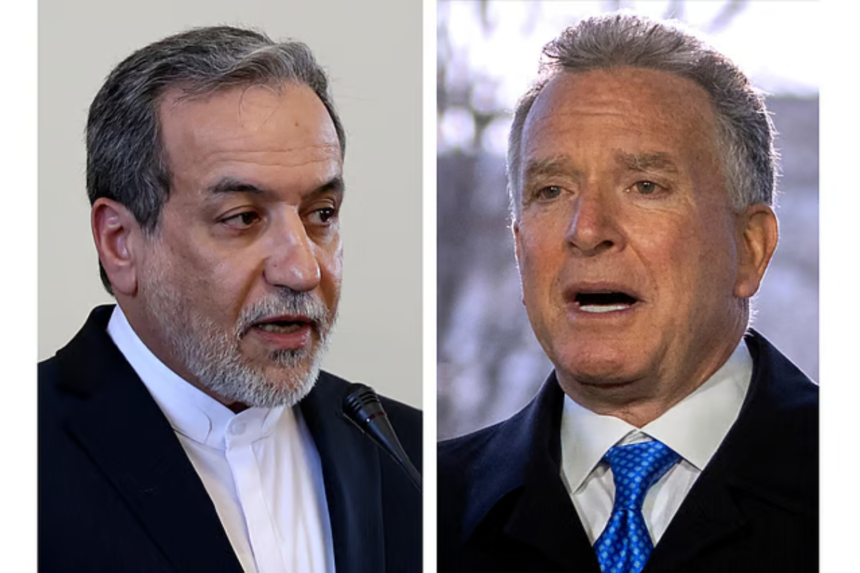
Several countries are helping mediate the talks, including Pakistan, Egypt, and Turkey. At the same time, US envoy Steve Witkoff and Iranian Foreign Minister Abbas Araghchi are speaking directly.
Asim Munir, Pakistan’s army chief, has also played an active role in helping key parties communicate.
This multilayered approach reflects both the complexity of the conflict and the urgency of finding a diplomatic path.
Key Points of Friction
Despite ongoing discussions, major differences remain.
Iran has indicated reluctance to reopen the Strait of Hormuz in exchange for a temporary ceasefire and has expressed concern about entering an agreement without guarantees against future strikes.
At the same time, reports suggest that military plans targeting Iranian energy infrastructure are already prepared, increasing pressure on negotiations.
Current Direction
The situation is moving toward a decision point rather than a resolution.
Diplomatic channels remain active, but time constraints, strategic mistrust, and unresolved core issues continue to limit the likelihood of an immediate agreement.
The next phase depends on whether temporary alignment can be reached before escalation overtakes negotiation.
A combo photo shows Iranian Foreign Minister Abbas Araghchi, left, and White House special envoy|chief US negotiator Steve Witkoff.
AP
Source: Gulf News