


Tensions rise as Tehran links closure to potential strikes on power plants.
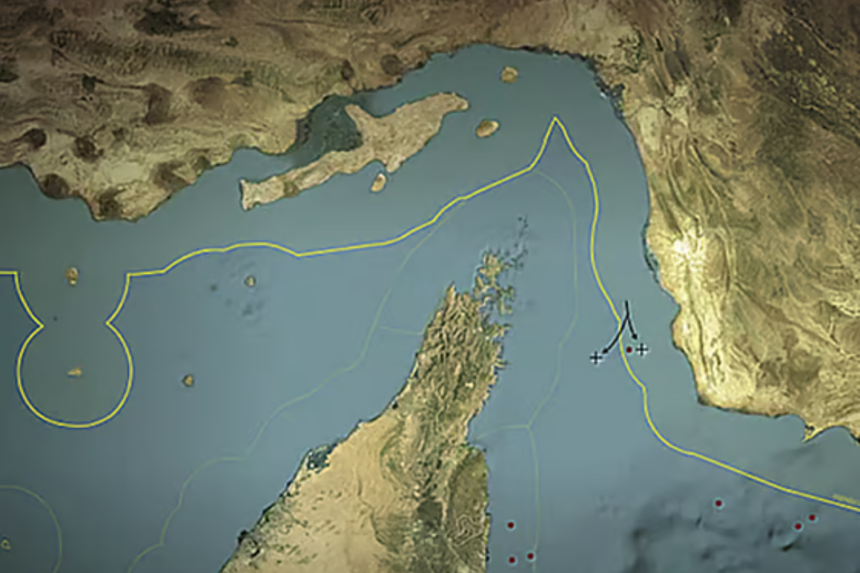
Iran has warned it could fully shut the Strait of Hormuz if Donald Trump proceeds with threats to strike Iranian power infrastructure, raising the stakes in an already volatile conflict.
The warning was issued by Iran’s Khatam Al-Anbiya military command, which stated that any attack on its energy facilities would trigger a complete closure of the strategic waterway until reconstruction is complete.
A Vital Route Already Under Strain
The Strait of Hormuz remains one of the most critical global energy corridors, with around 20 percent of the world’s crude oil and liquefied natural gas typically passing through it.
Since the conflict began, traffic has dropped sharply, with only a fraction of vessels continuing to transit the route. Current activity is estimated at roughly five percent of pre-war levels, reflecting the severity of disruptions.
Threats Extend Beyond Shipping
Iran’s warning goes beyond maritime restrictions.
The military signaled potential strikes on energy and communication infrastructure in Israel, as well as facilities in countries hosting US bases or companies with American interests.
These threats indicate a broader escalation that could extend beyond the immediate conflict zone and impact regional infrastructure.
Selective Passage and Strategic Pressure
In recent days, Iran has allowed limited passage for vessels from countries it considers friendly, while warning others against entering the strait.
This selective approach underscores how control over the waterway is being used as a strategic lever, influencing both military and economic calculations.
There are also discussions within Iran’s political leadership about imposing tolls on shipping, suggesting that even if traffic resumes, it may not return to previous norms.
Global Market Implications
Any prolonged disruption in the Strait of Hormuz carries significant consequences for global energy markets.
Reduced flows of oil and gas increase supply uncertainty, drive up costs, and amplify volatility across economies heavily dependent on Gulf exports.
The situation remains fluid, but the direction is clear.
The Strait is no longer just a transit route. It is now a pressure point in a wider geopolitical confrontation.
Photo: Reuters File/ Source: KT