


The feature arrives after years of requests, with mixed user reactions.
A Small Feature That Fixes a Big Friction
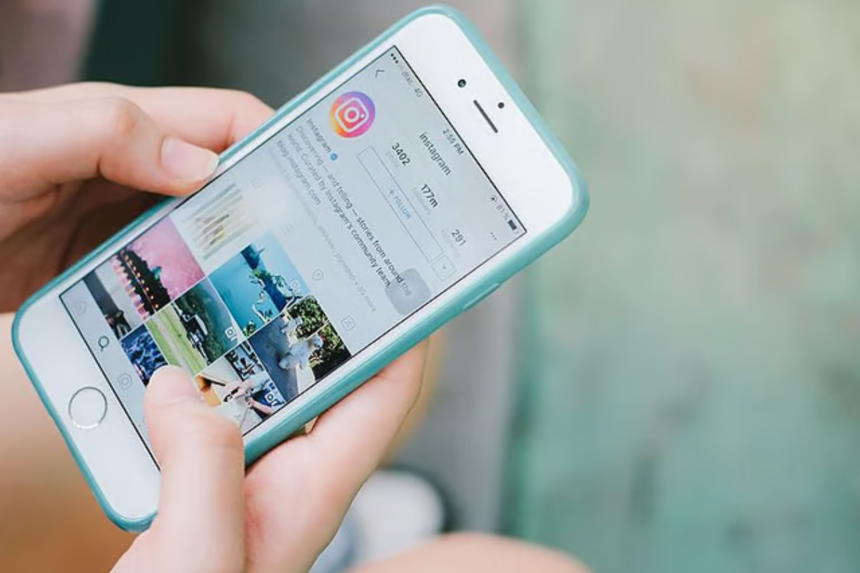
Instagram has introduced a long-awaited update that allows users to reorder photos and videos within carousel posts even after they have been published.
For years, carousel posts have been one of the platform’s most effective formats for engagement, yet they came with a rigid limitation. Once a post went live, the order of slides was locked. Any mistake in sequencing required deleting the entire post and uploading it again, which often meant losing likes, comments, shares, and algorithmic momentum.
This update addresses that friction directly, giving users the ability to adjust content without sacrificing performance.
What Changes With This Update
The new feature introduces a simple drag-and-drop interface that allows users to rearrange slides within an existing carousel. Instead of being forced into a fixed narrative structure at the time of posting, creators can now refine the order afterward.
This creates flexibility across multiple use cases. A creator can correct sequencing errors, reposition the strongest visual as the opening slide, or adjust storytelling flow based on audience response. For brands and content strategists, it allows posts to be optimized after early engagement signals come in.
The shift is subtle in mechanics but significant in impact. It turns carousel posts from static assets into editable formats that can evolve after publication.
Why This Matters for Creators
Carousels are not just collections of images. They are structured narratives. The first slide determines whether a user stops scrolling, and the sequence that follows shapes retention and engagement.
Before this update, a poorly ordered carousel could underperform regardless of content quality. Even minor mistakes, such as placing a weaker image first or misaligning the story flow, required a full reset. That reset came at a cost, especially for creators who depend on timing, reach, and accumulated engagement.
With reordering now possible, creators gain control over performance without restarting distribution. Posts can be refined in place, preserving both visibility and social proof.
A Feature That Feels Overdue
User reactions have been immediate and predictable. Relief mixed with humor.
Many users pointed out how long it took for such a basic editing function to arrive, especially given how central carousel posts have become to the platform. Others joked that the feature solves a problem they have been manually working around for years.
At the same time, the update has sparked renewed demands for additional control features, including better follower management tools, deeper analytics, and more flexible editing across other post formats.
The pattern is consistent. Each incremental improvement raises expectations for what should come next.
Part of a Larger Evolution
This update does not exist in isolation. It builds on a series of improvements to the carousel format over time.
Instagram previously introduced the ability to delete individual slides from a carousel, removing the need to discard an entire post when only one element needed correction. The platform also expanded the number of slides allowed, enabling more detailed storytelling and content depth within a single post.
These changes reflect a broader direction. Carousels are no longer secondary formats. They are central to how creators communicate, educate, and engage audiences.
Their effectiveness comes from a combination of structure and interaction. Users swipe, pause, and spend more time on the content. That behavior signals value to the algorithm, often resulting in higher reach compared to single-image posts.
The Broader Impact on Content Strategy
Allowing post-publish edits introduces a new layer of strategic control.
Creators can now test and refine content dynamically. A post that underperforms in its first few hours can be adjusted rather than abandoned. Brands can maintain visual consistency across feeds without compromising on timing. Mistakes become correctable instead of costly.
Over time, this flexibility changes how content is approached. Instead of treating publishing as a final step, it becomes part of an ongoing optimization process.
For businesses and personal brands, this matters. A well-structured feed is not just aesthetic. It signals clarity, credibility, and attention to detail.
A Shift Toward Editable Social Content
This update points to a broader shift in how social platforms are evolving. Content is moving away from fixed, one-time publishing toward systems that allow iteration after the fact.
The implication is straightforward. Platforms are recognizing that creation does not end at upload.
With carousel reordering, Instagram removes one of its most persistent limitations and aligns the product more closely with how people actually create and refine content.
The change is simple. The impact is not.
Read more news and follow us on Instagram
Photo: Shutterstock