



DoorDash is shutting down operations in Qatar, Japan, Singapore, and Uzbekistan as it sharpens its international strategy and concentrates on markets where it can secure long-term profitability.
The company confirmed the move after completing what it described as a months-long review of country-level performance and competitive conditions. Leadership concluded that certain markets lacked a clear path to sustainable scale under current dynamics.
“Our priority is supporting our teams and partners through an orderly transition as we focus on the geographies where we can offer the best products and build for long-term success,” said Miki Kuusi, head of DoorDash’s international division.
DoorDash added that the exits will not materially affect its financial guidance. Shares rose in US trading following the announcement.
Qatar: Strong Demand, Entrenched Rivals
In Qatar, DoorDash struggled to break into a highly competitive and mature delivery ecosystem.
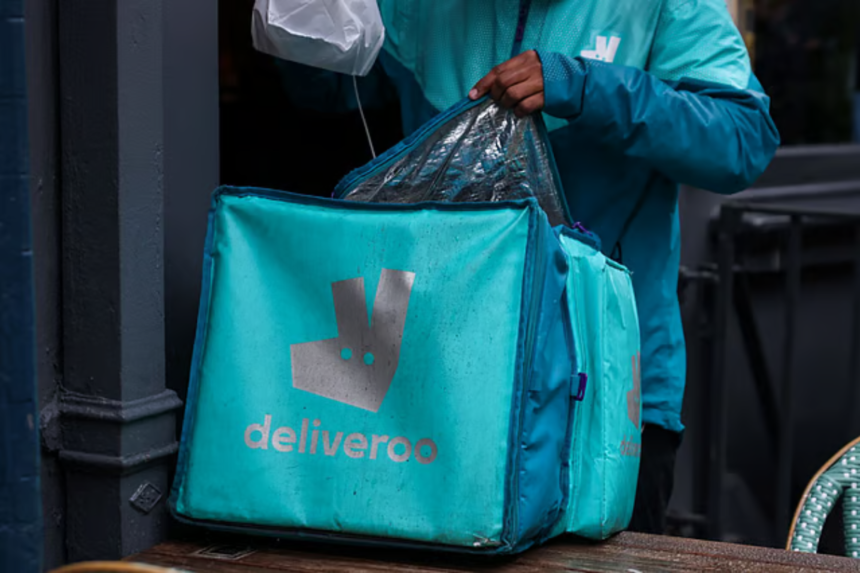
Talabat, owned by Delivery Hero, has operated in the country for nearly a decade and maintains a dominant position. Meanwhile, UK-founded Deliveroo, which DoorDash acquired last year, entered Qatar in 2022 but failed to significantly displace established competitors.
Qatar’s online food delivery market continues to expand, supported by high smartphone penetration, dense urban development, and sustained tourism activity. Yet late entrants face structural barriers, including entrenched logistics networks, restaurant exclusivity agreements, and strong brand loyalty.
Deliveroo’s platforms in Qatar and Singapore will cease operations on March 4.
Aggressive Global Expansion Meets Market Reality
In recent years, DoorDash expanded rapidly beyond the United States. It acquired Finnish delivery platform Wolt in 2021 to strengthen its European presence. It later purchased Deliveroo to deepen its reach across Europe and the Middle East.
However, competitive pressure intensified across several regions.
In Singapore, DoorDash encountered strong incumbents such as GrabFood and Foodpanda, both of which built extensive delivery infrastructure and merchant networks. In Uzbekistan, it competed against Russia-based Yandex Eats, which already commanded local market familiarity and logistics strength.
These conditions limited growth velocity and compressed margins, forcing a reassessment of capital allocation.
Focus Shifts to Core Growth Regions
DoorDash will now redirect resources toward markets where it sees clearer leadership opportunities and stronger profitability potential. The company did not provide exact shutdown timelines for each affected country but confirmed it will coordinate transitions with local merchants, delivery partners, and teams.
Rather than pursue broad geographic expansion, DoorDash appears to be consolidating around regions where it can command operational leverage and pricing power.
The global food delivery industry has entered a phase where scale alone no longer guarantees advantage. Sustainable market share, cost discipline, and competitive insulation now determine long-term performance.
For DoorDash, retreating from select international markets marks a recalibration, not a withdrawal. The company continues to dominate in the United States, but overseas expansion will likely proceed with tighter strategic filters.
Company ends Qatar operations as Talabat dominates regional food delivery.
Bloomberg