


The shift toward a digital-first payments economy in the UAE is accelerating. According to new research from Visa, card and mobile-based transactions now dominate everyday spending, while the use of cash continues to recede.
In its latest Where Cash Hides report, Visa found that 68 per cent of consumers in the UAE are now largely non-cash users, relying mainly on cards and mobile devices. This marks a seven-point increase from last year and underlines how quickly digital payment habits are becoming embedded across the country.
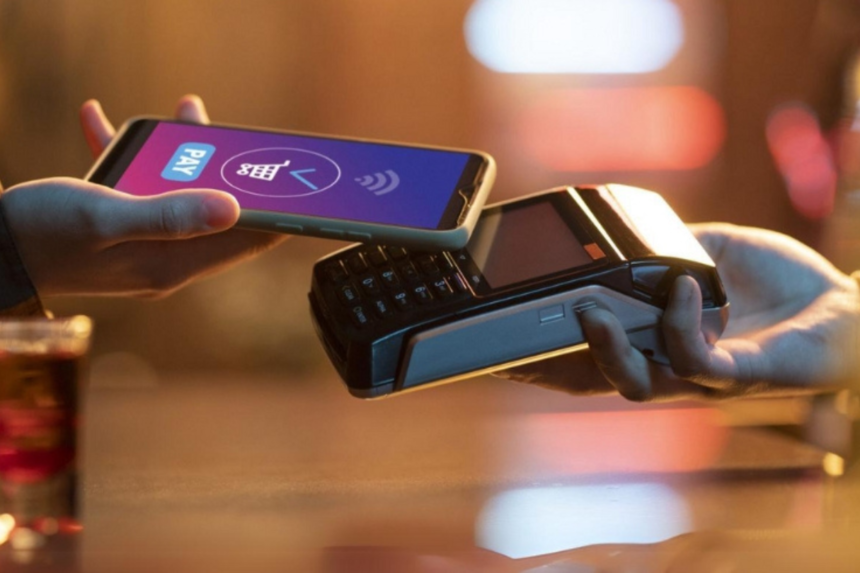
Overall, eight in ten payments, or 80 per cent, are now made digitally, placing the UAE among the world’s most advanced cashless markets. Mobile payments alone account for 21 per cent of all transactions, supported by high smartphone penetration, strong merchant acceptance, and growing trust in contactless technologies.
Every day spending moves online
As digital adoption deepens, everyday spending patterns are changing.
Debit cards and mobile wallets now dominate routine purchases such as groceries, dining, and transport. Meanwhile, credit cards are increasingly used for planned and higher-value spending, driven by rewards programmes, instalment plans, and travel-related benefits.
By contrast, cash usage has fallen sharply. Only 16 per cent of consumers still rely on cash for daily purchases, down from 25 per cent last year. Notably, declines are most visible in traditionally cash-heavy areas such as local markets, taxis, and bill payments, where usage has dropped by double digits year on year.
Taken together, analysts say these patterns point to a structural shift rather than a temporary adjustment, as digital payments become faster, more reliable, and easier to access.
Where cash still plays a role
Despite the quick transition away from real currency, cash has not vanished totally.
Tips continue to be the most prevalent form of cash payment, with 58% of customers still paying gratuities in cash. This reflects a combination of societal norms and situational convenience. Furthermore, approximately 25% of consumers continue to utilize cash for foreign remittances via exchange houses, and 15% rely on it for rent payments.
Even still, these places are gradually deteriorating. Peer-to-peer digital payments climbed by five percentage points over the last year, reaching 35%, indicating that digital alternatives are gradually replacing cash in its last strongholds.
Regulation and industry support the shift
According to industry leaders, policy and infrastructure are both supporting the transformation.
“This year’s findings highlight a clear shift in consumer spending habits, with digital payments continuing to gain ground across everyday transactions,” said Salima Gutieva, Visa’s vice president and country manager in the UAE. “While cash remains present in certain categories, these areas represent opportunities to help consumers move toward more secure and convenient digital options.”
Simultaneously, statistics from the UAE’s Central Bank indicate that electronic payments will continue to expand. This growth is fueled by instant payment platforms, increased contactless acceptance, and the rapid use of digital wallets.
In parallel, government digitalisation initiatives, smart city programmes, and the continued double-digit growth of e-commerce are accelerating the country’s move toward a cash-lite economy.
Security and convenience drive adoption
Beyond convenience, security remains a key factor behind rising digital usage.
Compared with cash, digital payments reduce the risk of loss or theft, offer instant transaction records, and support better financial tracking. Mobile payments add further protection through tokenisation, which replaces sensitive card details with secure digital identifiers.
At the same time, rewards and added value are reshaping consumer behaviour. Credit cards increasingly offer cashback, loyalty points, and lifestyle benefits, features that resonate strongly with younger and higher-income users.
As a result, industry experts say the UAE payments ecosystem is entering a more mature phase, where the focus is shifting from basic adoption to optimisation. Merchants are investing in faster checkouts, data-driven loyalty programmes, and seamless online-to-offline payment experiences, while consumers expect frictionless, interoperable systems.
Digital becomes the default
“The direction is clear,” Gutieva said. “Digital payments are no longer an alternative. They are the default. The next phase is about making sure digital solutions are inclusive, trusted, and accessible across every remaining use case.”
With mobile wallets, cards, and instant payments becoming standard, digital payments in the UAE are now redefining how people spend, save, and manage money. In doing so, the country is cementing its position as one of the world’s leading cashless economies.
Follow us on Instagram and stay updated with our current news.