


Temporary Stability for a Critical Route
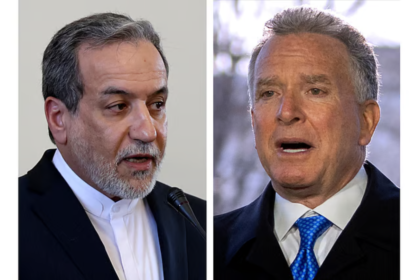
After accepting the temporary ceasefire, Abbas Araghchi said Iran will keep the Strait of Hormuz open for the next two weeks while the Iranian military monitors traffic through the waterway.
However, Tehran is not treating the move as an unconditional reopening. Iranian officials have linked continued access to the absence of further military action, making it clear that the arrangement could change if the situation escalates again.
That decision carries global significance because the Strait of Hormuz remains one of the world’s most important energy routes. Around 20 percent of global oil flows through the passage each day, so even limited disruption can quickly affect shipping costs, fuel prices, and market confidence. By keeping the strait operational, Iran has eased immediate fears of a wider energy shock.
A Pause, Not a Settlement
Meanwhile, Iran’s Supreme National Security Council approved the ceasefire as part of a broader effort to reduce tensions within the two-week window announced by Donald Trump.
For now, the agreement halts active military operations and gives negotiators more time to work through unresolved issues. Still, officials on all sides have avoided describing it as a lasting settlement. Instead, they view it as a temporary measure meant to stop the conflict from expanding while backchannel talks continue.
At the same time, Iranian leaders have chosen their language carefully. Rather than presenting the ceasefire as a concession, they have described it as a reciprocal arrangement that depends on restraint from every side involved. That approach allows Tehran to participate in the truce without appearing to surrender leverage.
Why the Strait of Hormuz Matters
The Strait of Hormuz is one of the most strategically sensitive chokepoints in global trade.
It connects the Persian Gulf to international waters, serving as the primary export route for oil from major producers including Saudi Arabia, the UAE, Kuwait, Iraq, and Iran itself.
Any threat to this passage directly impacts:
- Global oil supply chains
- Shipping insurance costs
- Energy prices across Asia, Europe, and the US
Even the perception of risk can drive volatility in crude markets. The recent surge in oil prices above $100 per barrel reflects how tightly markets react to instability in this corridor.
Military Control and Operational Reality
Iran’s decision to keep the Strait open while maintaining military oversight signals a dual approach.
Control remains intact. Escalation is paused.
This allows Iran to retain strategic leverage while avoiding immediate confrontation. It also reassures global shipping operators that passage will continue, at least in the short term.
However, the presence of military management indicates that the situation remains fragile. Stability is being enforced, not naturally occurring.
Conditional Peace, Not Resolution
Iran has emphasized that the ceasefire depends on mutual adherence.
Any violation could trigger a rapid reversal, including renewed threats to maritime routes. This keeps the agreement inherently unstable.
At the same time, diplomatic efforts are expected to focus on broader issues, including regional security, energy flows, and nuclear concerns, though no formal long-term framework has been confirmed.
Market and Geopolitical Implications
The reopening of Hormuz, even temporarily, reduces immediate pressure on oil markets and global supply chains.
Shipping routes remain active. Energy exports continue.
But the underlying risk has not disappeared. It has only been deferred.
Markets will continue to price in uncertainty until a longer-term resolution emerges.
Ongoing situation
The Strait of Hormuz remains open, but under watch. The ceasefire creates breathing room, not certainty.
Control is maintained. Risk is contained. Resolution is still distant.
Source: Gulf News
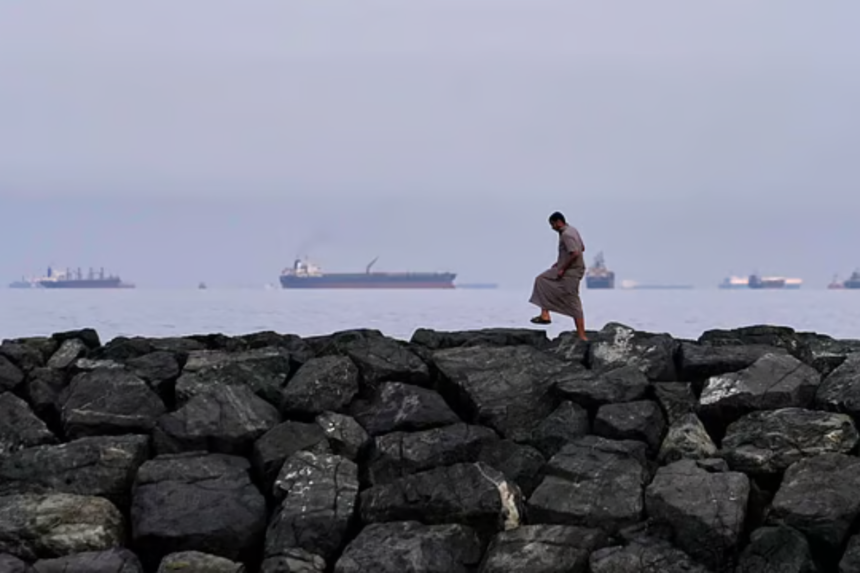
Photo: A view of ships in the Strait of Hormuz: Iranian officials emphasised their commitment to continuing dialogue during the ceasefire, describing the agreement as a step toward reducing regional tensions and enabling broader negotiations between all parties.
AP