


As negotiations lose momentum, uncertainty is growing over whether the ceasefire can hold.
The fragile ceasefire between the United States and Iran is facing renewed pressure as diplomatic talks continue to stall and President Donald Trump reportedly considers whether to resume American combat operations in the region.
According to reports from US media outlets, including CNN, Trump has become increasingly frustrated with Tehran’s latest response to a proposed de-escalation framework, privately describing the Iranian position as “totally unacceptable” while accusing negotiators of delaying progress through mixed signals and prolonged negotiations.
The growing frustration inside the White House reflects how far apart both sides remain on the terms of any lasting settlement, despite weeks of backchannel diplomacy involving regional and European intermediaries.
Diplomacy Begins to Lose Momentum
The current ceasefire emerged after weeks of military confrontation across the Gulf region, including missile exchanges, drone incidents, maritime disruptions, and rising fears of a broader regional conflict.
However, efforts to move from temporary restraint toward a long-term agreement now appear increasingly uncertain.
Washington has continued insisting that any durable deal must address Iran’s nuclear program, missile capabilities, and role in regional maritime security. Tehran, meanwhile, maintains that sanctions relief and recognition of its maritime rights must come before broader concessions are discussed.
That disagreement over sequencing has once again slowed negotiations.
Iran has also refused to dismantle key nuclear facilities or surrender its stockpile of enriched uranium, issues that remain central to Washington’s demands.
Military Options Back on the Table
Reports suggest Trump’s advisers are now debating multiple military scenarios if diplomacy continues to stall.
The discussions reportedly range from limited retaliatory strikes targeting Iranian military infrastructure to broader operations aimed at weakening the Islamic Revolutionary Guard Corps, particularly naval and missile units accused of threatening Gulf shipping routes.
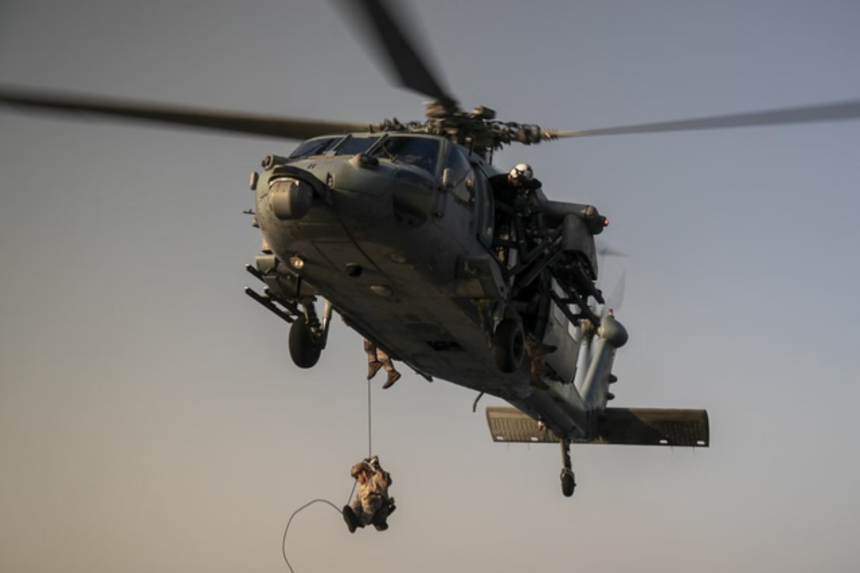
The renewed military deliberations come as US naval forces remain heavily deployed near the Strait of Hormuz and the Arabian Gulf following repeated confrontations involving drones, missiles, and fast attack vessels.
American officials reportedly believe Tehran is attempting to use the crisis to extract concessions while continuing actions Washington considers destabilizing, including pressure on maritime traffic and support for regional proxy activity.
Strait of Hormuz Remains the Biggest Pressure Point
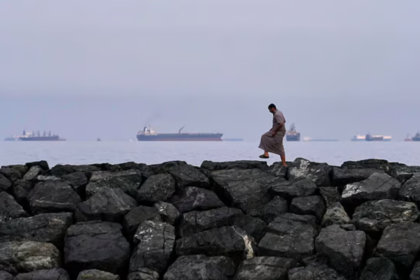
Even as formal ceasefire discussions continue, tensions around the Strait of Hormuz remain extremely sensitive.
The narrow waterway handles a significant share of global oil shipments, making it one of the world’s most strategically important trade routes. Any disruption immediately raises concerns across energy markets and global shipping networks.
Iranian military officials recently warned that countries enforcing sanctions against Tehran could face “problems” when their vessels pass through the strait, comments widely interpreted as a reminder of Iran’s ability to disrupt commercial traffic if tensions escalate again.
That threat continues to keep international markets on edge.
White House Faces a Narrowing Window
Analysts say the Trump administration now faces a difficult strategic choice.
The White House can continue pursuing diplomacy despite slow progress, or attempt to regain leverage through renewed military pressure, a move that risks destabilizing the region further and increasing pressure on global energy markets.
The longer negotiations remain unresolved, the greater the risk that isolated incidents at sea or regional proxy attacks could trigger another round of escalation.
For now, the ceasefire technically remains in place, but the atmosphere surrounding it has become increasingly fragile.
With military assets still positioned across the Gulf, stalled negotiations, and both governments hardening their public positions, uncertainty is once again defining the region’s political and security landscape.
exercise. Recent weeks have seen US and Iranian forces trade limited strikes and naval confrontations in and around the waterway, raising fears in global markets about the vulnerability of energy supplies.
CentCom/ Source: Gulf News