


The UAE is preparing to introduce a more holistic healthcare model that blends traditional Emirati medicine with modern clinical practice, marking a significant shift in how cultural heritage could coexist with evidence-based healthcare.
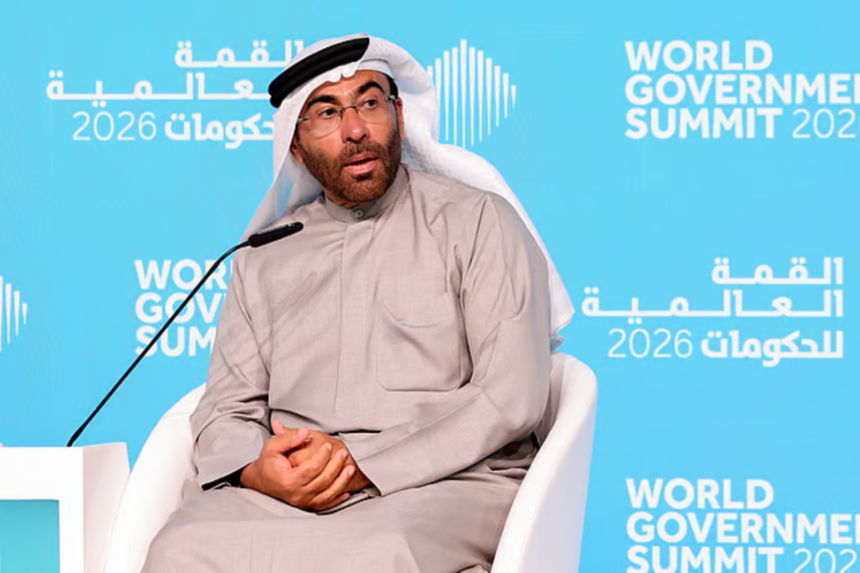
Speaking at the World Government Summit 2026 in Dubai, Ahmed Al Sayegh, Minister of Health and Prevention, said the country is exploring ways to formally integrate age-old Emirati remedies into today’s healthcare system without compromising safety or scientific rigor.
Preserving Cultural Medicine, Backed by Science
Al Sayegh highlighted that traditional medicine once played a central role in Emirati society, particularly when access to formal healthcare was limited.
“In the past, we didn’t have cars or nearby medical centres. Mothers and aunts were the caregivers, treating injuries and sickness when doctors were not in reach,” he said. “We want to retain that cultural element and bring it back into modern medical clinics.”
At the same time, he emphasised that reviving these practices would require a structured, science-led framework. Authorities plan to anchor the system in licensing, regulation, and higher education.
“We cannot do this without a legislative framework,” Al Sayegh said. “We also need academic pathways that include integrative medicine. We want to bring back the medicine of our ancestors, but in a safe and regulated way.”
What Integrative Medicine Means
In practical terms, integrative medicine blends conventional Western treatments with evidence-based complementary therapies. According to the Cleveland Clinic, the model focuses on treating the whole person, mind, body, and lifestyle, rather than addressing symptoms alone.
This approach may incorporate nutrition, physical movement, mental well-being, and traditional remedies, provided they meet modern standards of safety and effectiveness.
Scientific Scrutiny Remains Essential
However, experts warn against embracing traditional medicine without rigorous validation.
Dennis Chang, Professor of Pharmacology and Director of the National Institute of Complementary Medicine, stressed that integrative therapies must meet the same benchmarks as pharmaceutical treatments.
“The evidence supporting integrative medicine must be as rigorous as conventional medicine when it comes to efficacy, safety, and quality,” Chang said.
He added that researchers are already adapting drug-development methodologies to evaluate complementary therapies, with new assessment tools evolving rapidly.
Lessons from India’s Experience
As the UAE develops its model, it is studying international precedents, particularly India’s institutional adoption of integrative medicine.
Anupriya Patel, India’s Minister of State for Health and Family Welfare, outlined how traditional systems were embedded into national healthcare delivery.
“India has formally recognised integrative medicine in its national health policy, especially at the primary care level,” she said. “We operate over 100,000 Ayushman Arogya Mandir wellness centres that provide essential services combining traditional medicine, yoga, and lifestyle-based care.”
Where Integrative Medicine Could Fit in the UAE
Looking ahead, Al Sayegh identified postnatal care as a key area where traditional Emirati practices could complement modern treatment.
He noted that while maternal and infant mortality rates in the UAE were once high, modern healthcare has reduced them significantly. Traditional post-birth care, meanwhile, focused on nutrition, movement, and recovery during the 40 days following childbirth.
“In the past, midwives would care for women after delivery, helping them regain vitality through food, exercise, and remedies,” he said. “We still have elements of this practice, but we need to train the younger generation and ensure it is supported by modern science.”
A Measured Path Forward
The UAE is signalling caution rather than pursuing a wholesale shift. Authorities will not position traditional Emirati medicine as a replacement for modern treatments. Instead, they plan to integrate it gradually as a complementary discipline under strict regulation and clinical oversight.
If implemented effectively, integrative medicine could help preserve cultural knowledge while strengthening patient care. It would also position the UAE as a regional leader in evidence-based, holistic healthcare.
In essence, policymakers are sending a clear message: tradition has a role in modern medicine, but only when authorities validate it scientifically, regulate it rigorously, and align it with contemporary clinical standards.
Ahmed Bin Ali Al Sayegh, UAE Minister of Health and Prevention, shared these insights during the session “From Policy to Practice: Investing in the Future of Integrative Medicine” on the final day of the World Government Summit.
Photo: Virendra Saklani/Gulf News